Shiba Inu puppies & breed info
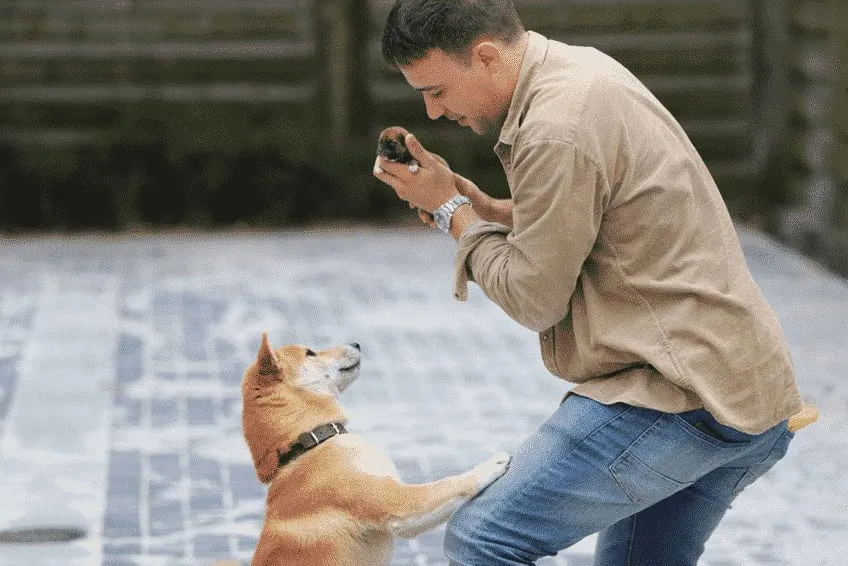
Available Shiba Inu puppies for sale
Click ‘Puppy alert’ to stay up to date on new Shiba Inu litters.
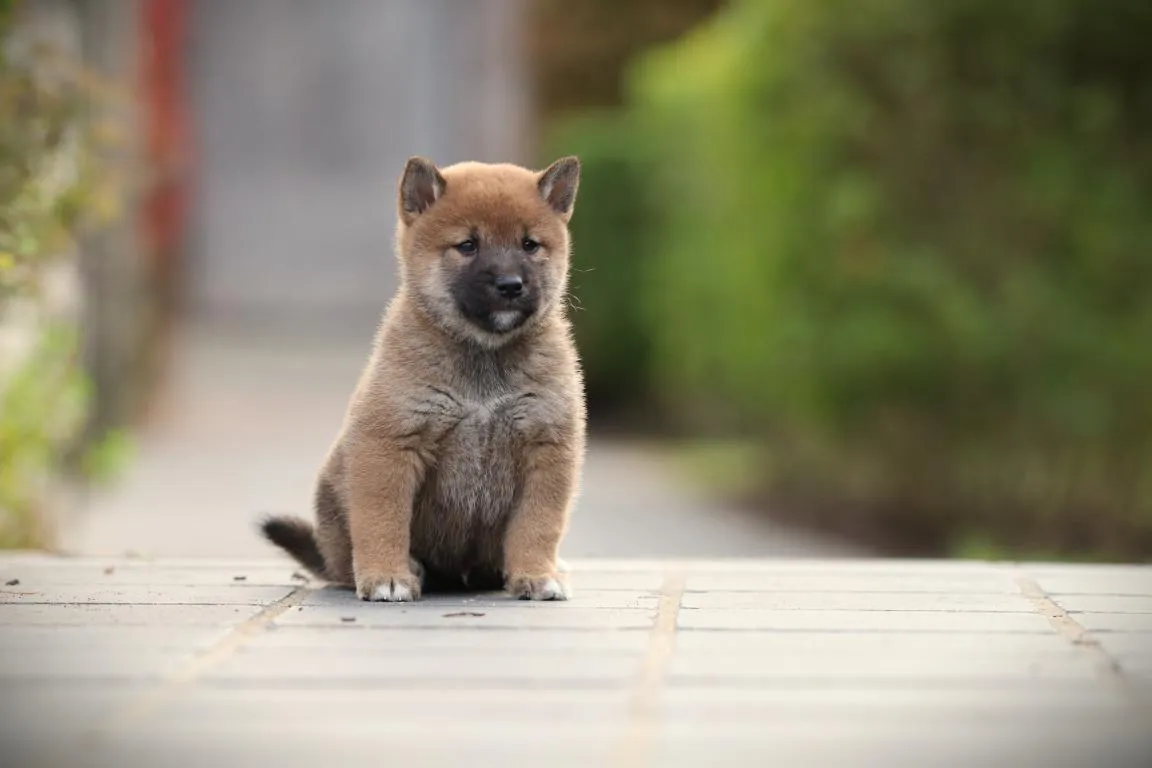
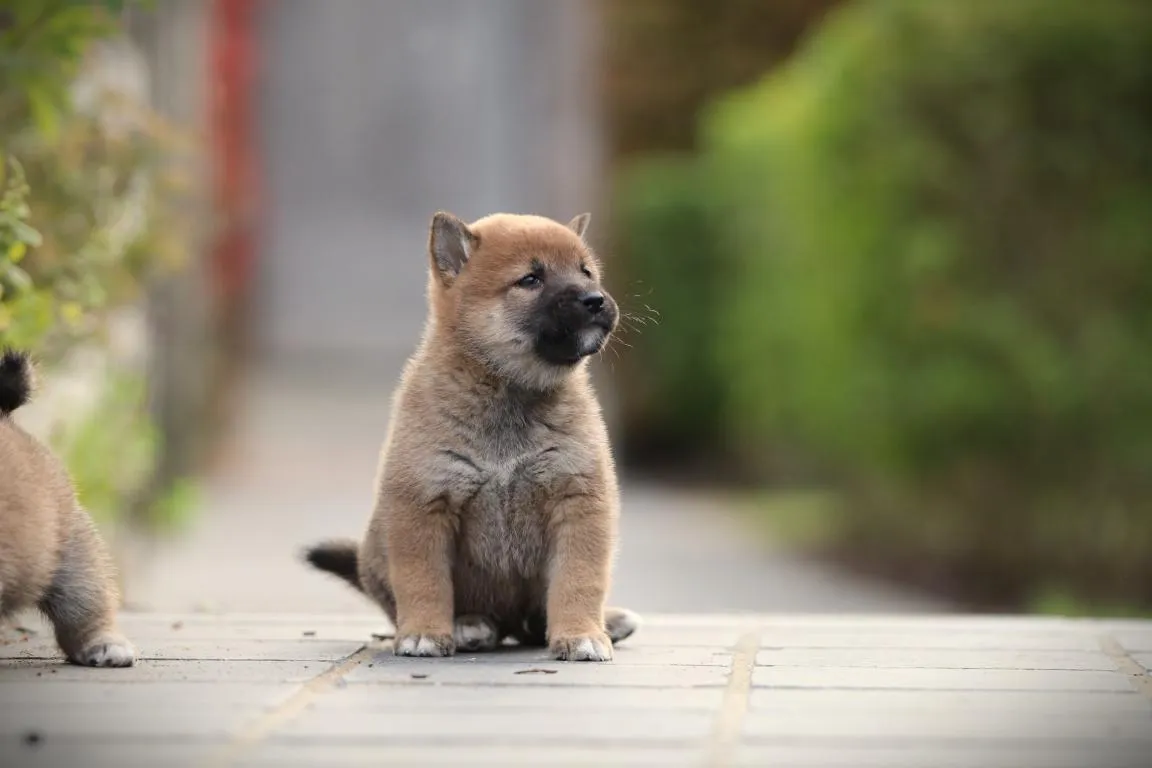
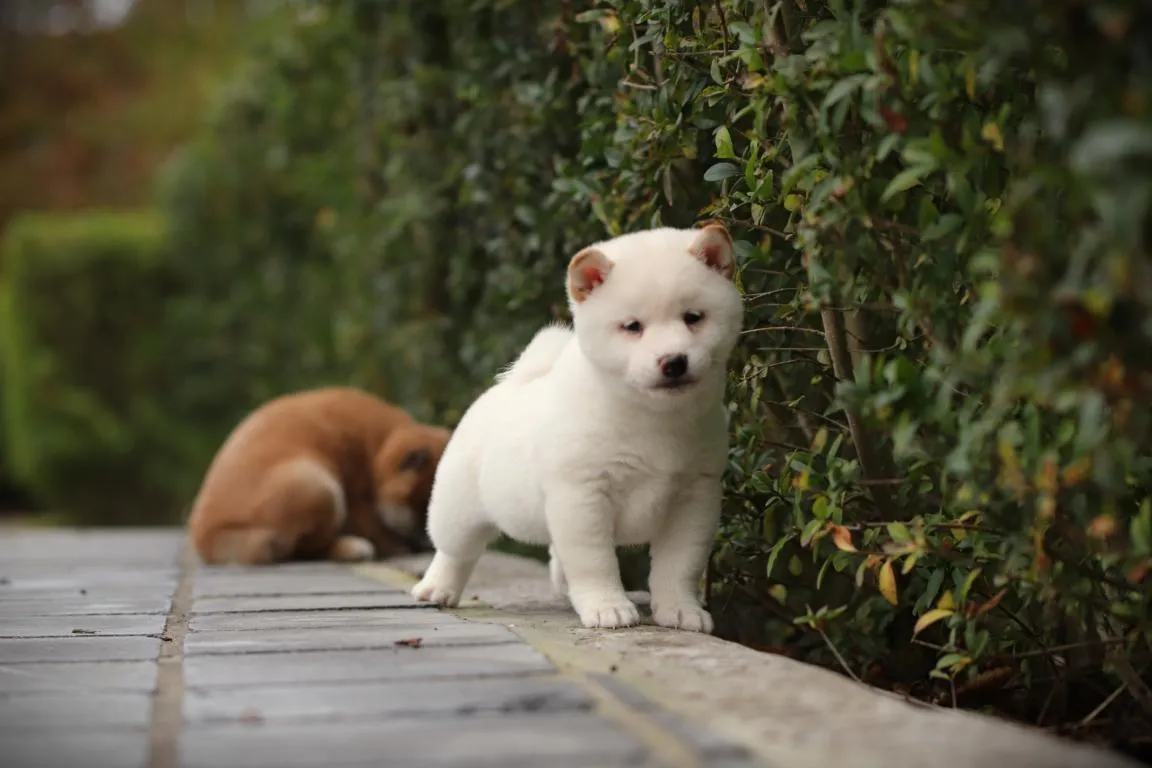
Available now
- Shiba Inu
- Born: 21 August 2026
- Mother: Aïka
- Father: Jules
- 🧬 DNA Tested
- 🇧🇪 Origin: our own kennel
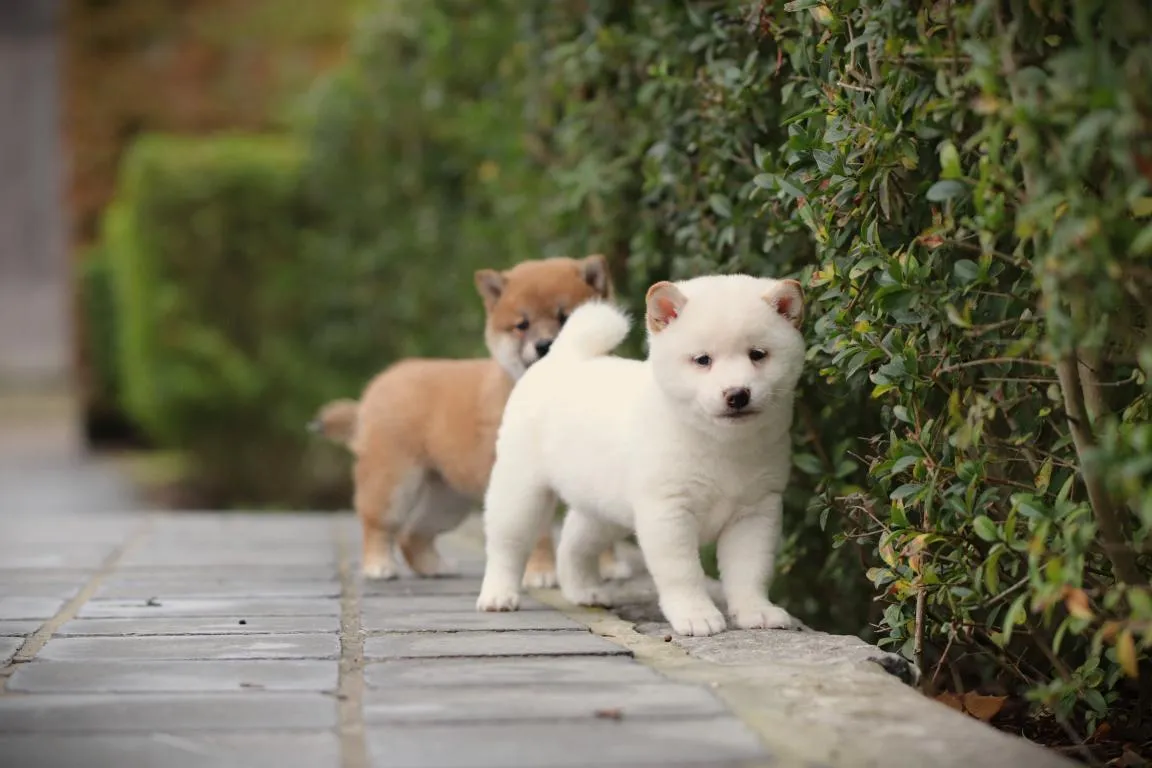

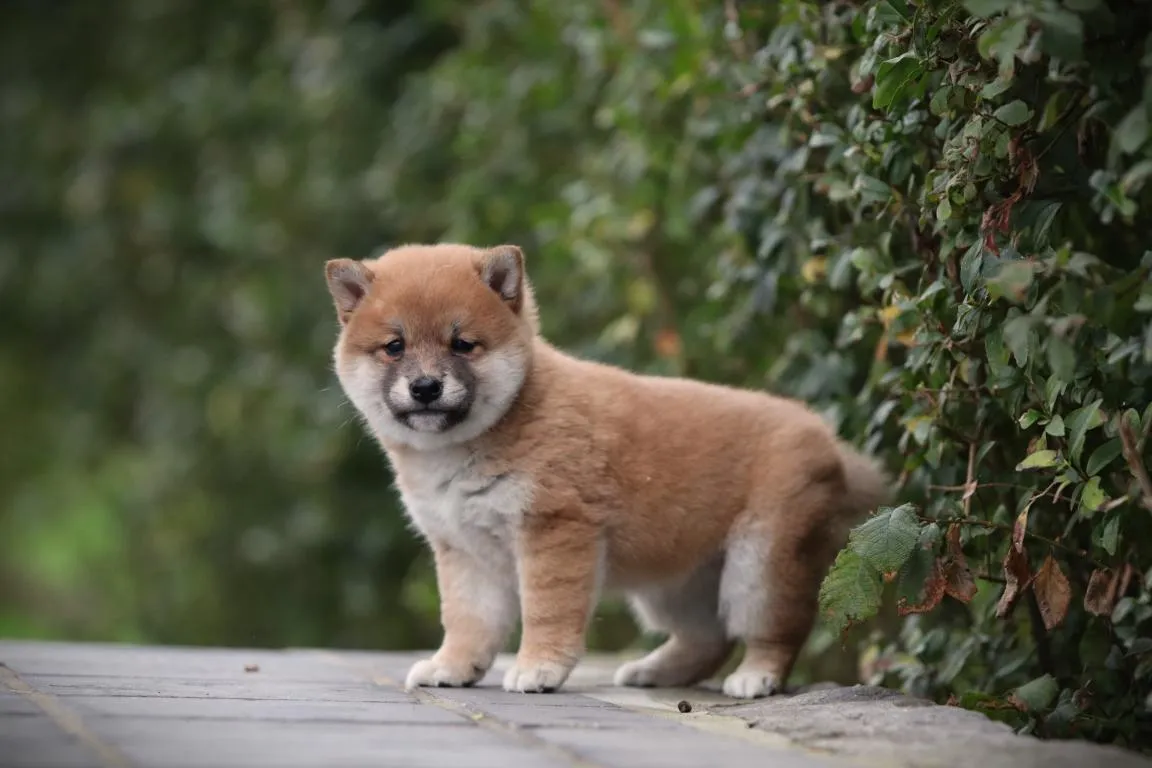
Available now
- Shiba Inu
- Born: 23 August 2026
- Mother: Jessy
- Father: Kobe
- 🧬 DNA Tested
- 🇧🇪 Origin: our own kennel
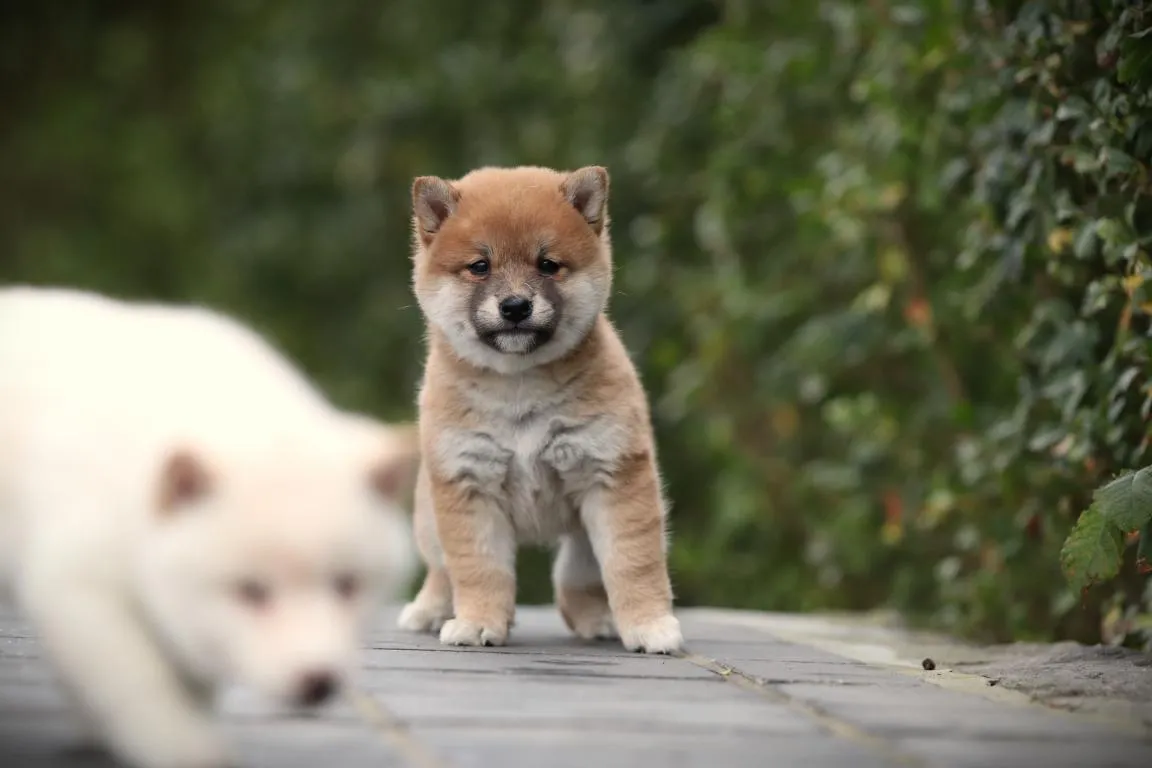
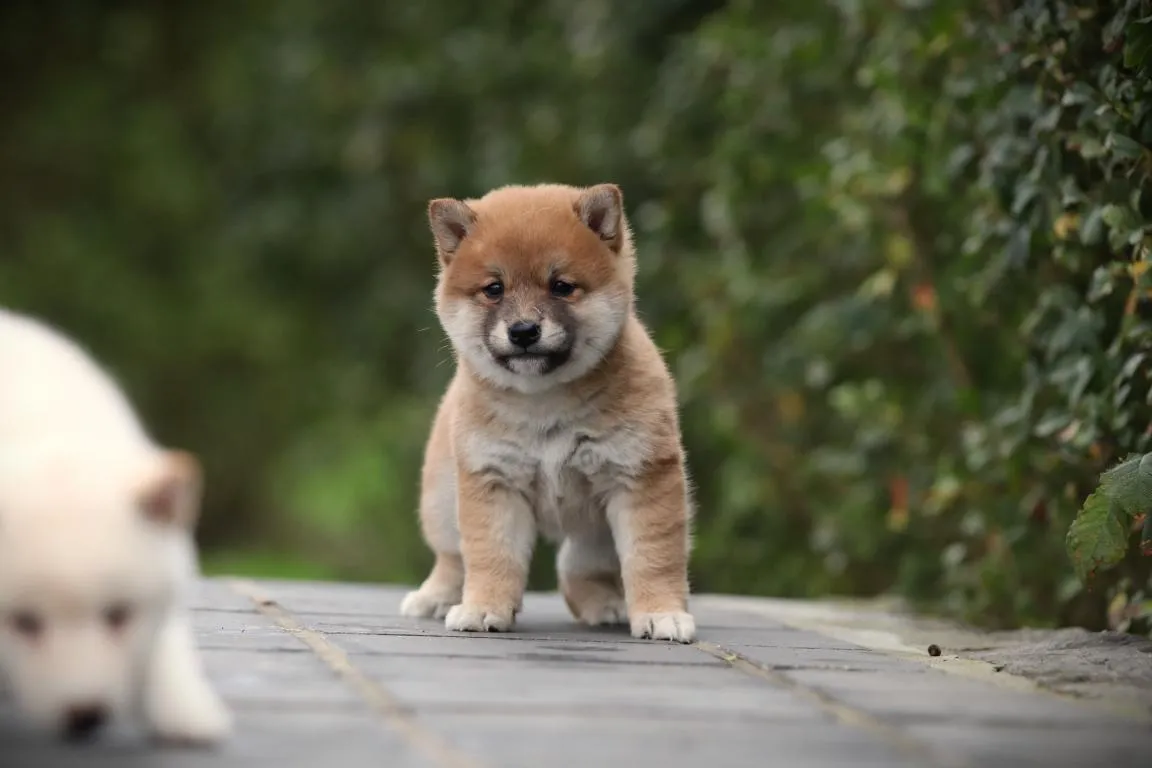
Available now
- Shiba Inu
- Born: 23 August 2026
- Mother: Jessy
- Father: Kobe
- 🧬 DNA Tested
- 🇧🇪 Origin: our own kennel
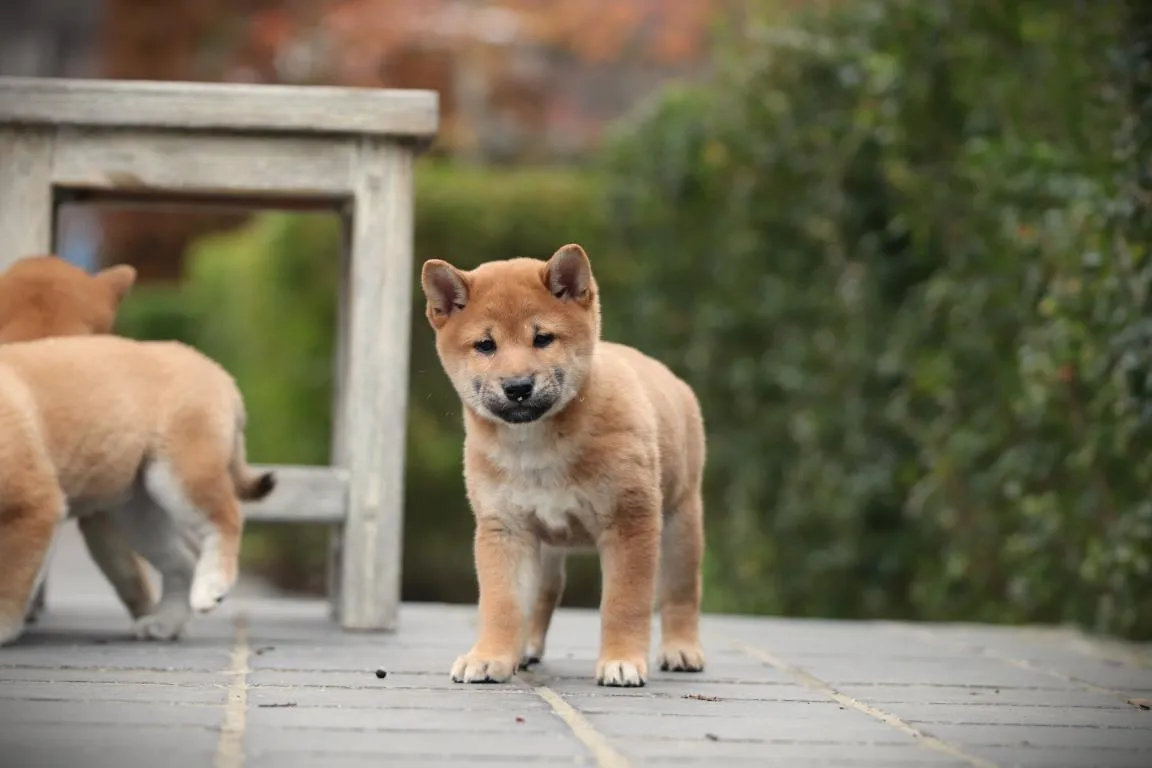
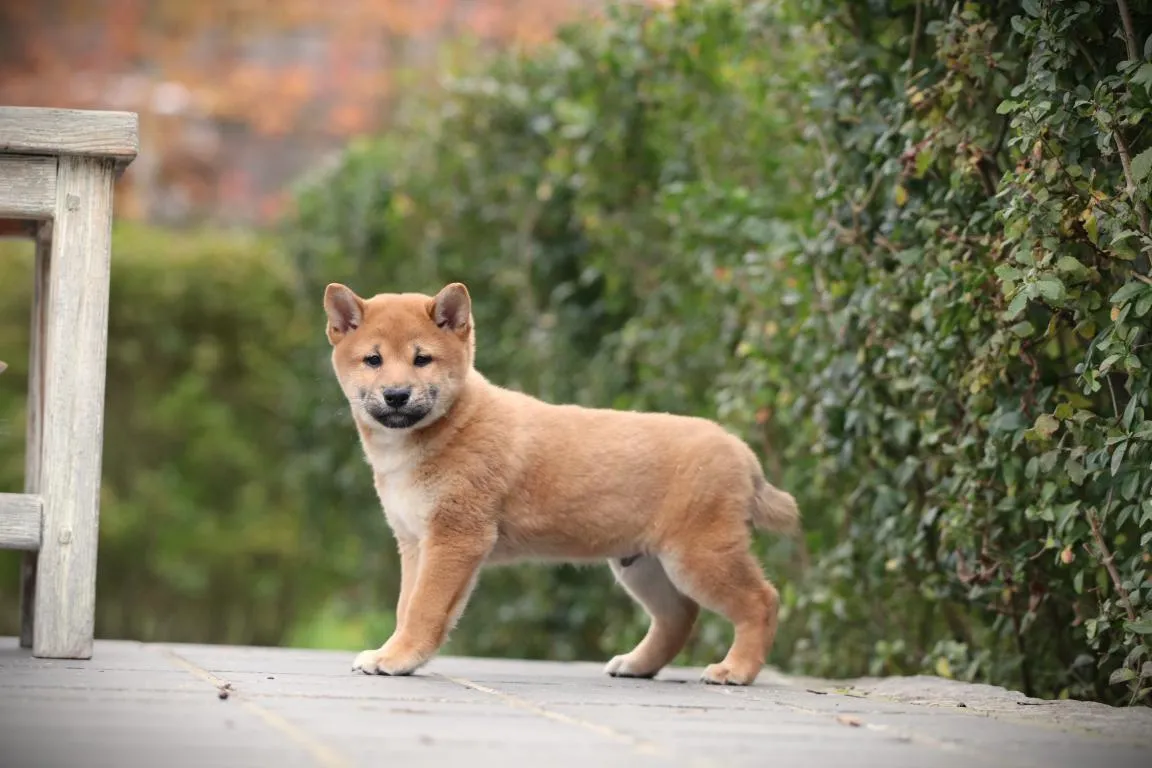
Available now
- Shiba Inu
- Born: 28 August 2026
- Mother: Kibo
- Father: Simba
- 🧬 DNA Tested
- 🇧🇪 Origin: our own kennel
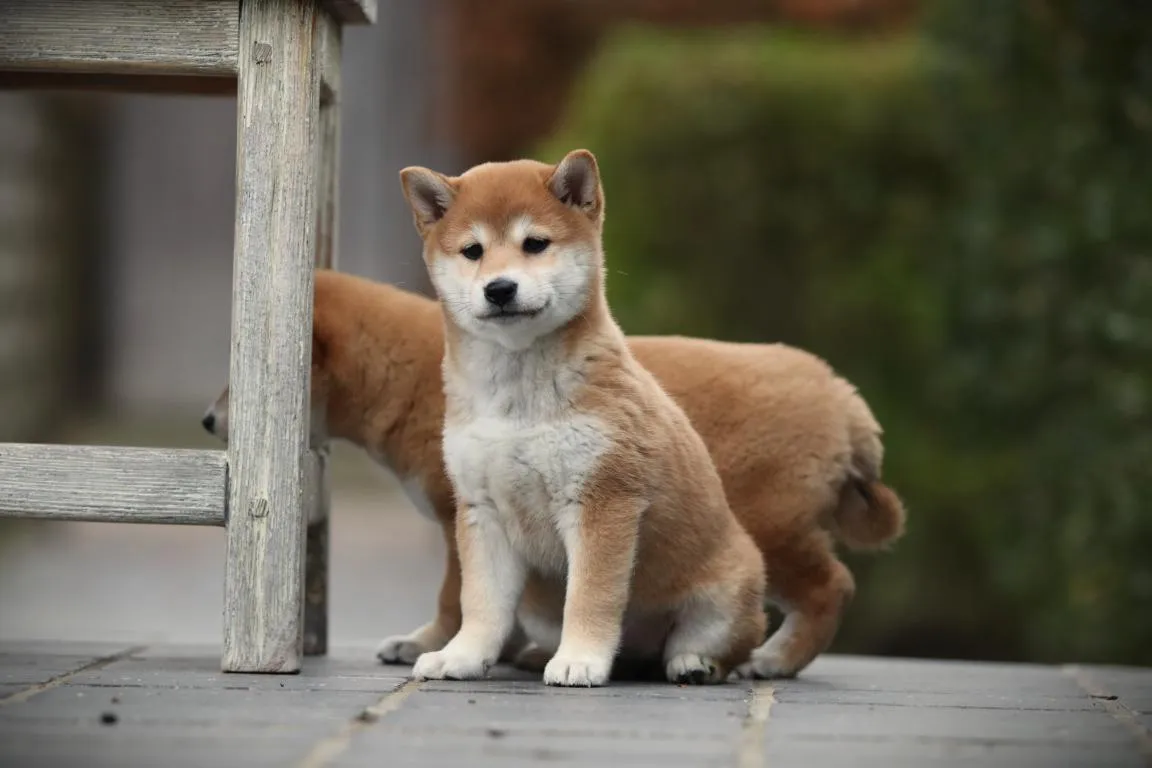
Available now
- Shiba Inu
- Born: 28 August 2026
- Mother: Kibo
- Father: Simba
- 🧬 DNA Tested
- 🇧🇪 Origin: our own kennel
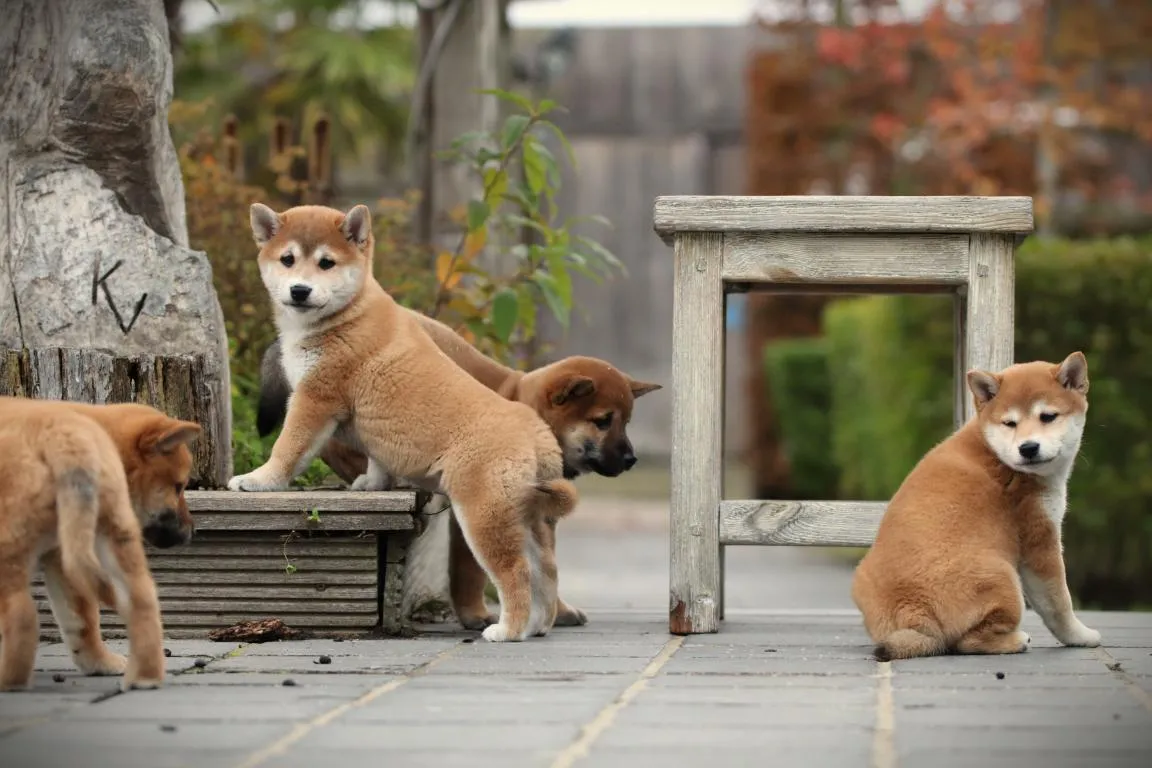
Available now
- Shiba Inu
- Born: 28 August 2026
- Mother: Kibo
- Father: Simba
- 🧬 DNA Tested
- 🇧🇪 Origin: our own kennel
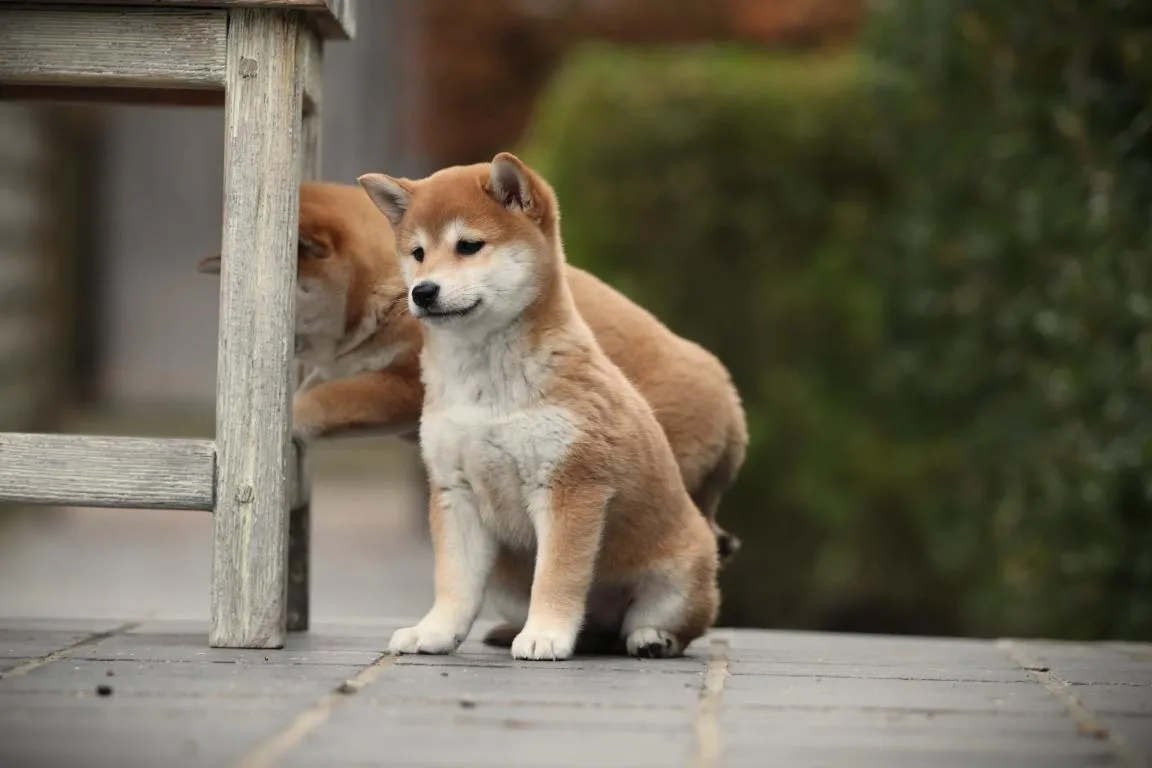
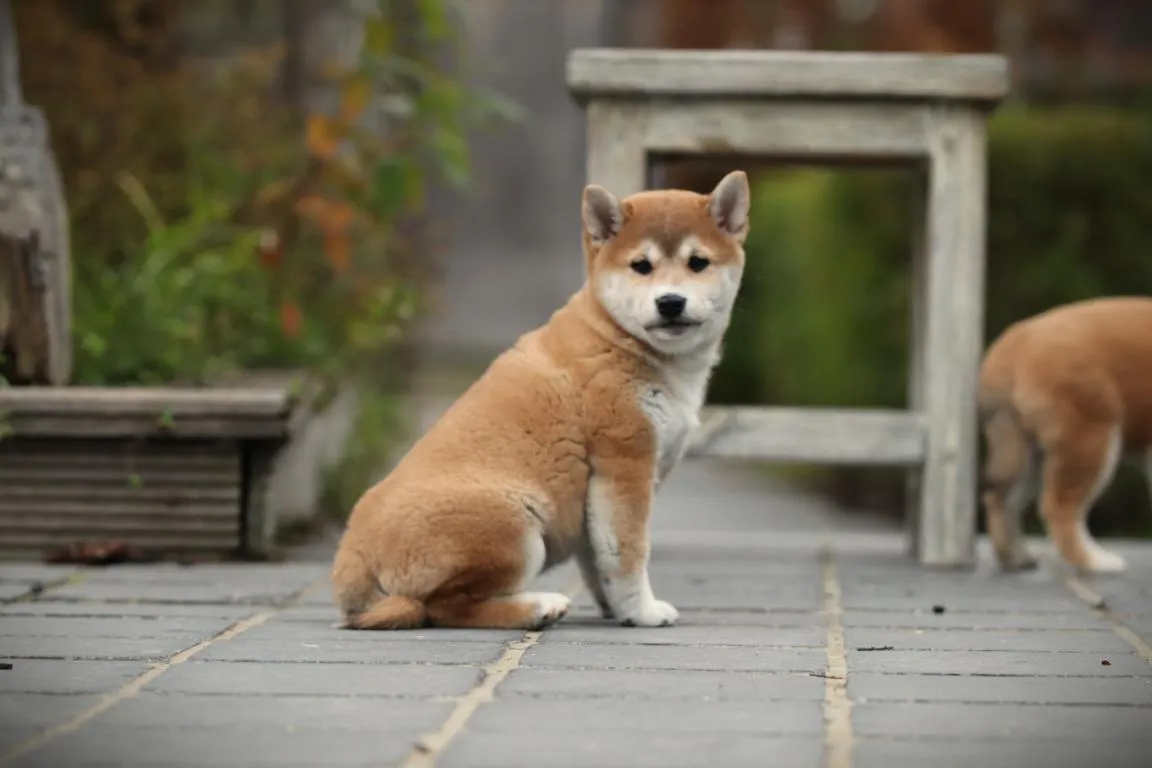
Shiba Inu price
How much does a Shiba Inu puppy cost? At Woefkesranch every puppy is born on the ranch and grows up with its mother, whom you always see when you visit. We have the parents tested for hereditary conditions, and every puppy leaves socialised, vaccinated, dewormed, microchipped, with a European passport and a 1-year guarantee. After the purchase we stay reachable by phone or WhatsApp, around the clock for urgent matters. That is why a Shiba Inu puppy costs €1,500 to €3,000.
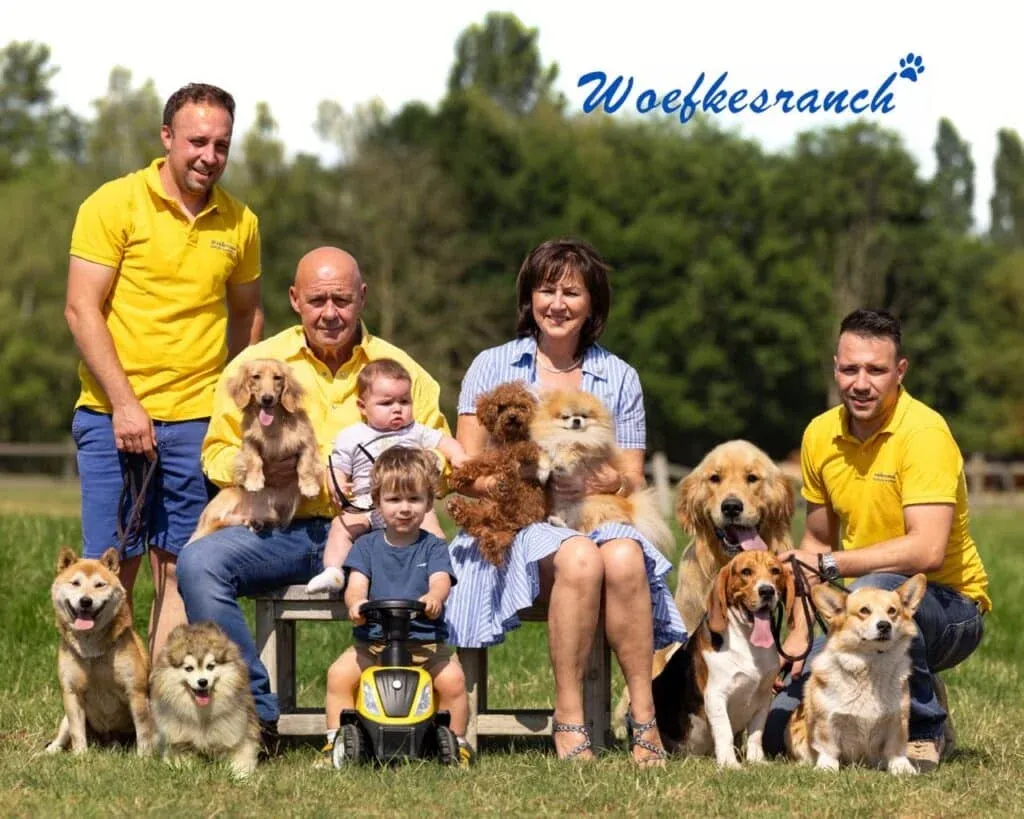
Woefkesranch has been a recognised Belgian family kennel since 1990. Puppies that cost much less often come from the Eastern European supply, with inhumane practices and serious health problems. Some sellers offer these puppies as if they were bred in Belgium. Learn more about the risks in the Pano report (VRT, in Dutch), for which the team also filmed at our ranch: De Oost-Europese puppybusiness.
Our usual process
Buying a Shiba Inu puppy from Woefkesranch – Belgian breeder since 1990
How it works:
- Meet the puppies (optional). Make an appointment to see the puppies with their mother, and to work out together which puppy suits your family.
- Reserve your puppy (optional). You can reserve online (24/7) or by phone on +32 (0)15 75 59 42. After reserving, you receive photos on request. If a puppy is already 8 weeks old, you can also take it home at your visit.
- Collection from us or home delivery. You can collect your puppy from 8 weeks old. It leaves microchipped, vaccinated, dewormed and with its European passport, and we register it in your name in DogID together. If you have no transport, someone from Woefkesranch brings your puppy to your home, within 250 km of our ranch in Putte (including the Netherlands, France, Luxembourg and Germany).
- 1-year guarantee. Every puppy has a 1-year guarantee on hereditary conditions and hidden congenital defects. We remind you about the first booster vaccination and deworming.
- Lifelong support. We remain available by phone or WhatsApp, also for training tips and health questions. For urgent matters we can be reached 24/7.

Written and reviewed by Marleen Dyck, co-founder of Woefkesranch
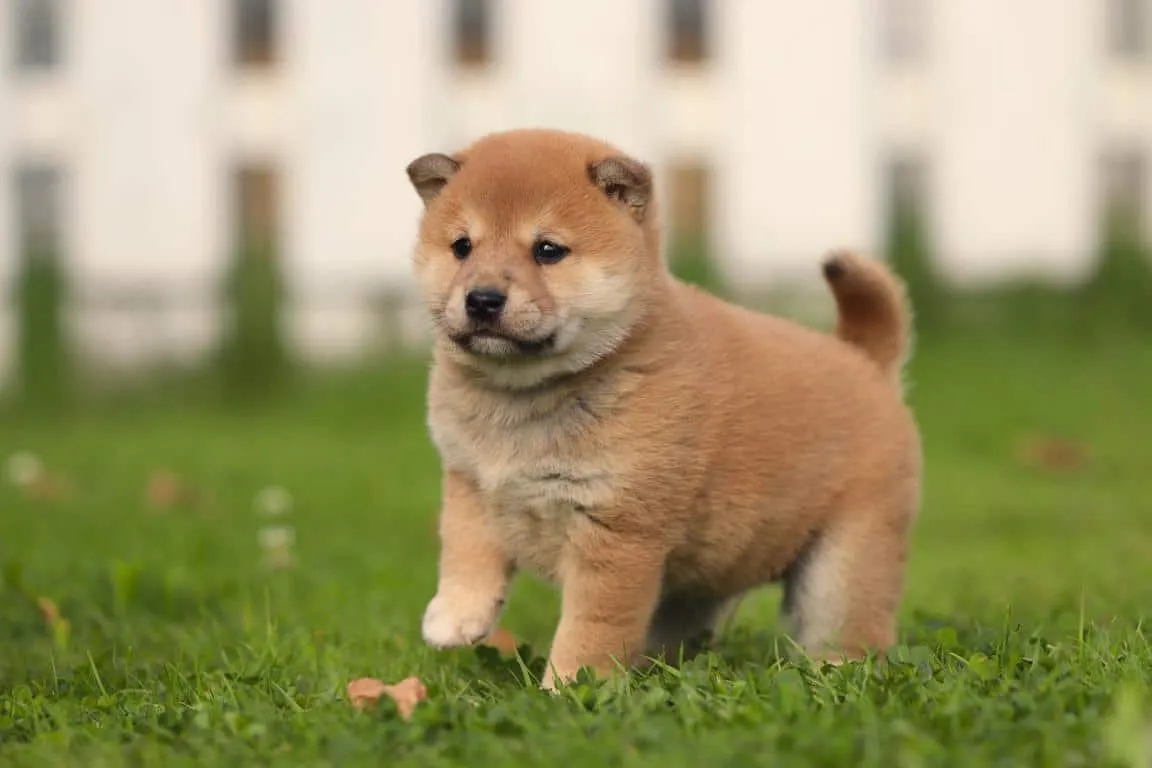
A clean, loyal, fox-like dog that thinks for itself
Intelligent, loyal and independent. A Shiba learns quickly, is a notably clean breed and is usually house-trained fast, and it copes with time on its own better than most. Active without being restless, which makes it easy to live with.
What to expect
Loyal
Devoted to its own people above all.
Independent
Handles time on its own well.
Clean
Avoids mud and puddles, house-trained quickly.
Headstrong
Clever enough to try you, so stay consistent.
Height*
~38 cm
Weight*
~9 kg
Life expectancy
~14 years
Origin
Japan, antiquity
*The sizes above are based on the FCI breed standard. Woefkesranch aims for them, but the health of the dogs always comes first.
Breed summary
You will find the Shiba Inu is an independent dog: loyal to its own person and not much concerned with anyone else. It is an intelligent breed, and that intelligence also produces the stubbornness, because a dog that works out it can try you will try you. The upright ears, the long muzzle and a build that does not run to fat leave it with little ear or breathing trouble. The double coat sheds heavily twice a year and otherwise asks only for brushing. It is clean, quickly house-trained, and comfortable being left alone. Read on to see what this breed asks of you.
In five points
- The Shiba is loyal and independent at the same time, which makes it good company and sometimes stubborn.
- It comes in the official colours red, black and tan, and sesame, always with light markings (urajiro), red being the one most people picture.
- The double coat sheds heavily twice a year, so brush it out through those weeks.
- Upright ears stay dry, the muzzle is long enough for easy breathing and the breed does not put weight on readily, so ear and breathing trouble are uncommon.
- It is active without being nervous, and it stays that way through a life of ~14 years.
History and Origin
The Inu that roamed the Japanese islands was a versatile dog. It was used for hunting, kept as a guard dog, had a name as a tough fighter, and was even harnessed to sleds. That versatility was not bred for. Dogs were not selected on looks or on talent then, so there was wide physical variety within the breed, much of it shaped by climate: the coat adapted to the cold winters of the north or to the warmer south, so the dog could work wherever it lived.
Between 1868 and 1912 Japanese breeds were crossed with imported English setters and pointers, because hunting was growing as a sport and breeders wanted to improve their dogs’ work. It undermined the Shiba’s original characteristics, and a purebred Shiba became a rare sight. Associations formed in the early twentieth century to defend the breed. One of them, Nihonken Hozonkai under Doctor Hirokichi Saito, travelled to remote areas to find the few remaining purebred dogs for a breeding programme, helped by academics working in history, zoology, archaeology and anthropology. In 1936 the Japanese government declared the Shiba Inu protected national heritage.
The Second World War almost undid that work. By the end of it the breed was close to extinct, and the suitable purebred bloodlines left could barely be counted on one hand: three bloodlines survived, Shinshu, Mino and San’in. That small gene pool proved just enough. Every Shiba Inu alive today descends from it.
The name is Japanese: shiba means brushwood, after the undergrowth it hunted in (another reading is ‘small’), and inu means dog.
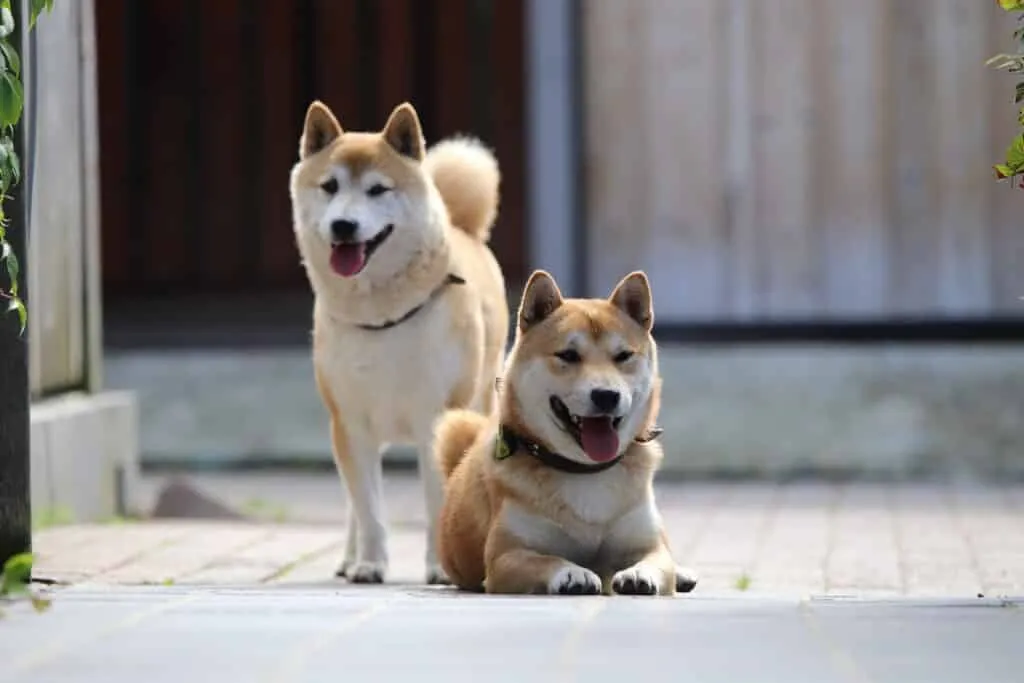
Physical characteristics and grooming, and the likeness to a fox
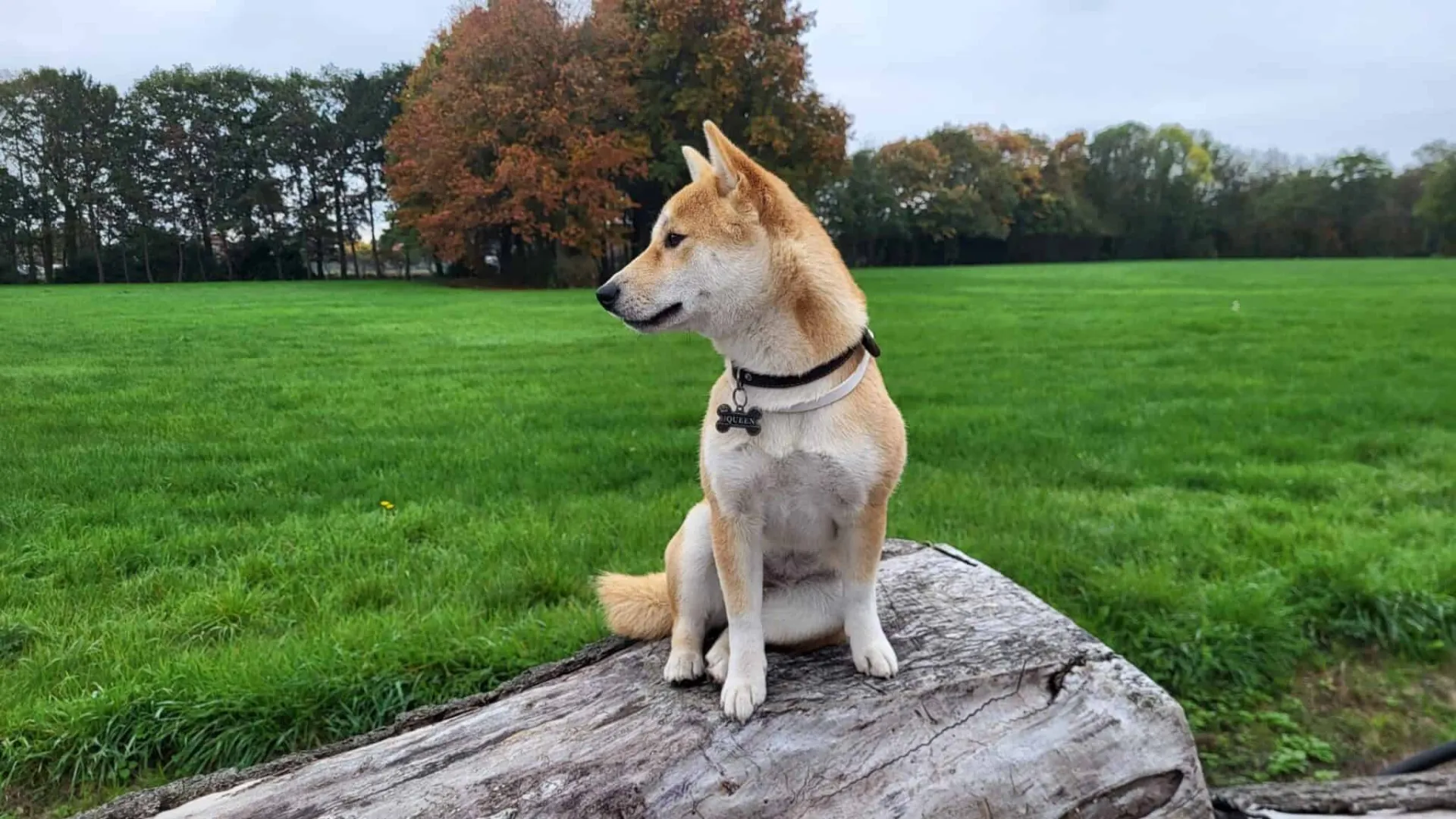
The breed standard recognises three colours: red, black and tan, and sesame. Red is the one most people picture, black and tan is a black coat with a brown chest and brown paws, and sesame is a mix of red, black and white hairs. Every colour has urajiro: light, almost white fur on the cheeks, under the jaw, on the chest and on the belly. Cream also occurs, but it is not a recognised colour. Shades vary within each colour, and spots occur but are rare. Size depends on sex and on bloodline: males from the same litter are usually a centimetre or two taller than their sisters and a little more solidly built. A puppy rarely grows bigger than its larger parent, so the parents’ size is the best guide.
The ears are small, upright and triangular, which keeps them dry and ventilated, and the muzzle is pointed rather than flat. An adult carries a thick curled tail over the back. The coat is a stiff topcoat over a soft undercoat, insulating against cold and heat alike, and it comes out heavily twice a year, at the turn from winter into spring and from summer into autumn. A dog kept mainly outdoors sheds more, because it feels the swing in temperature more.
The breed is often compared to a fox. The resemblance is the orange coat, the upright ears and the pointed muzzle. They are not close relatives: a dog belongs to the genus Canis and the red fox to Vulpes, two branches of the family Canidae. The tails differ: a fox carries a long straight brush with a white or black tip, a Shiba a thick tail curled over its back.
| Characteristic | Male | Female |
|---|---|---|
| Height | ~39.5 cm | ~36.5 cm |
| Weight | ~10.5 kg | ~7.5 kg |
Heights from the FCI breed standard; weights from the American Kennel Club.
Comparison of the Shiba Inu and the Pomsky
| What differs | 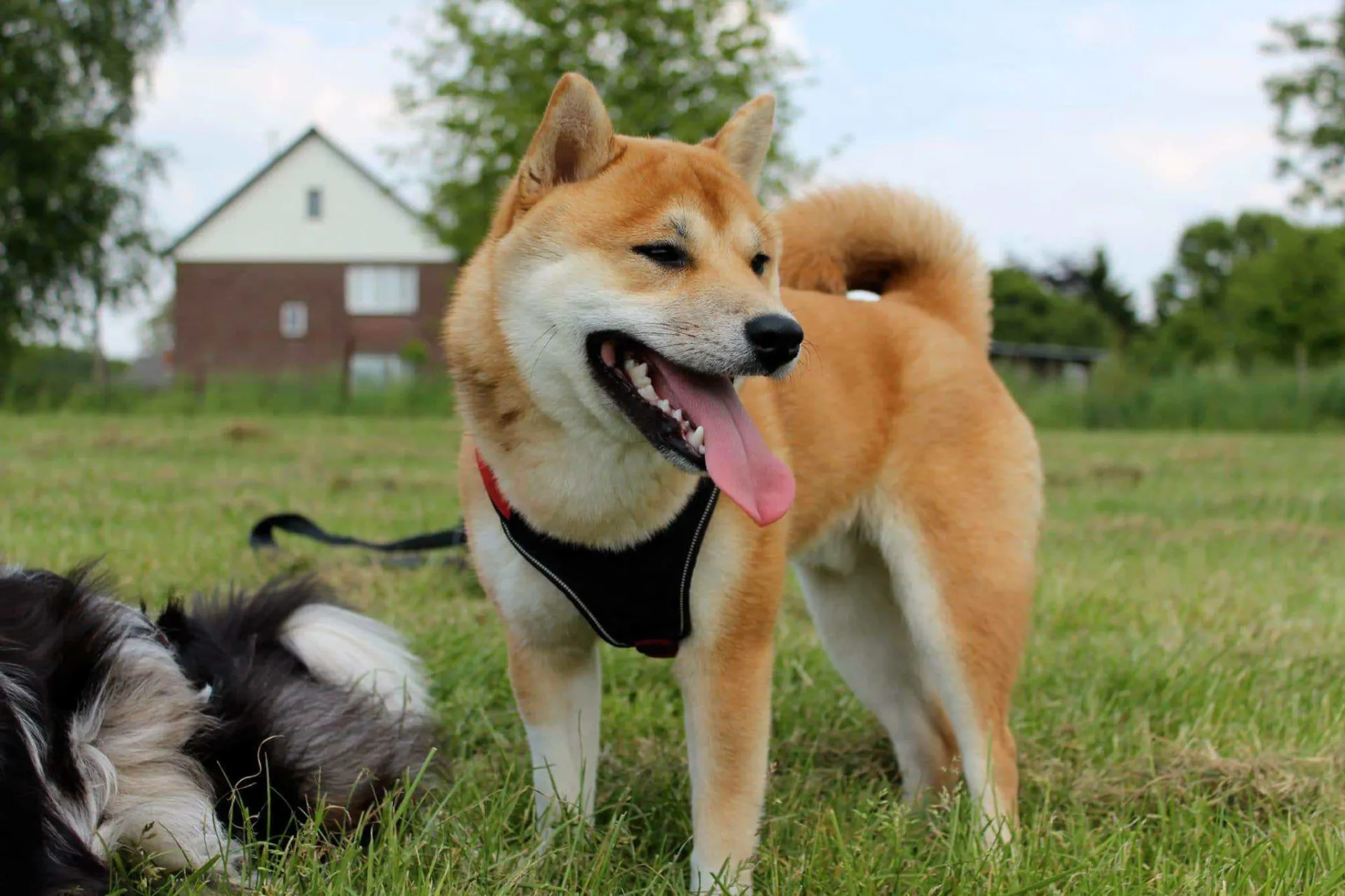 Shiba Inu | 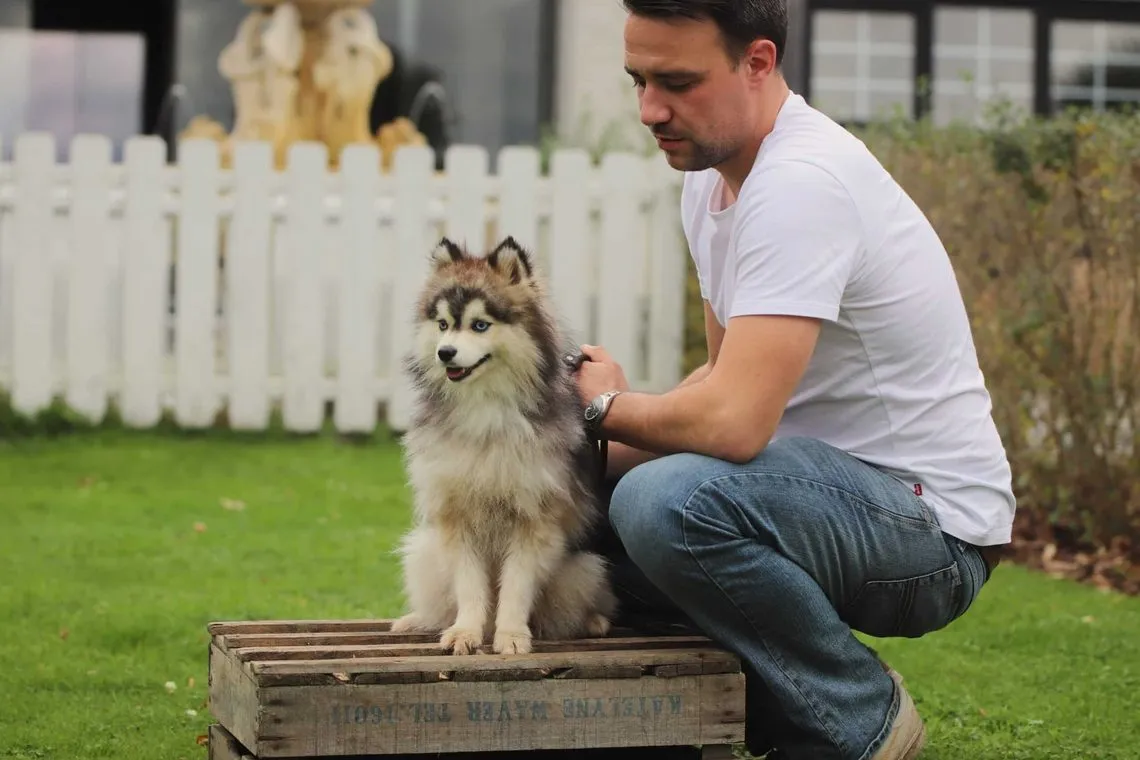 Pomsky |
|---|---|---|
| Origin | A purebred from Japan, originally a hunting dog of the Japanese islands | A recent cross of the Pomeranian and the Siberian Husky, bred as a companion dog with the look of a husky |
| Size | Taller and slimmer: ~38 cm and ~9 kg | Shorter and sturdier: ~33 cm and ~14 kg |
| Appearance | Fox-like, with a tail curled over the back, in red, black and tan or sesame | Like a small husky, often with a husky’s face mask and blue eyes |
| Character | Loyal and independent. Copes better than most breeds with time alone | Loyal and sociable. Happiest when the family heads out and it can come along |
Both have a double coat that moults heavily twice a year. Brushing two to three times a week is enough, more often in those weeks. Both are active dogs that need a proper walk and play every day, and they suit an apartment as long as they get that exercise.
The difference from the larger Akita Inu is explained in our article on the Shiba and the Akita.
For other similar breeds, read our article on the breeds that look like the Shiba Inu.
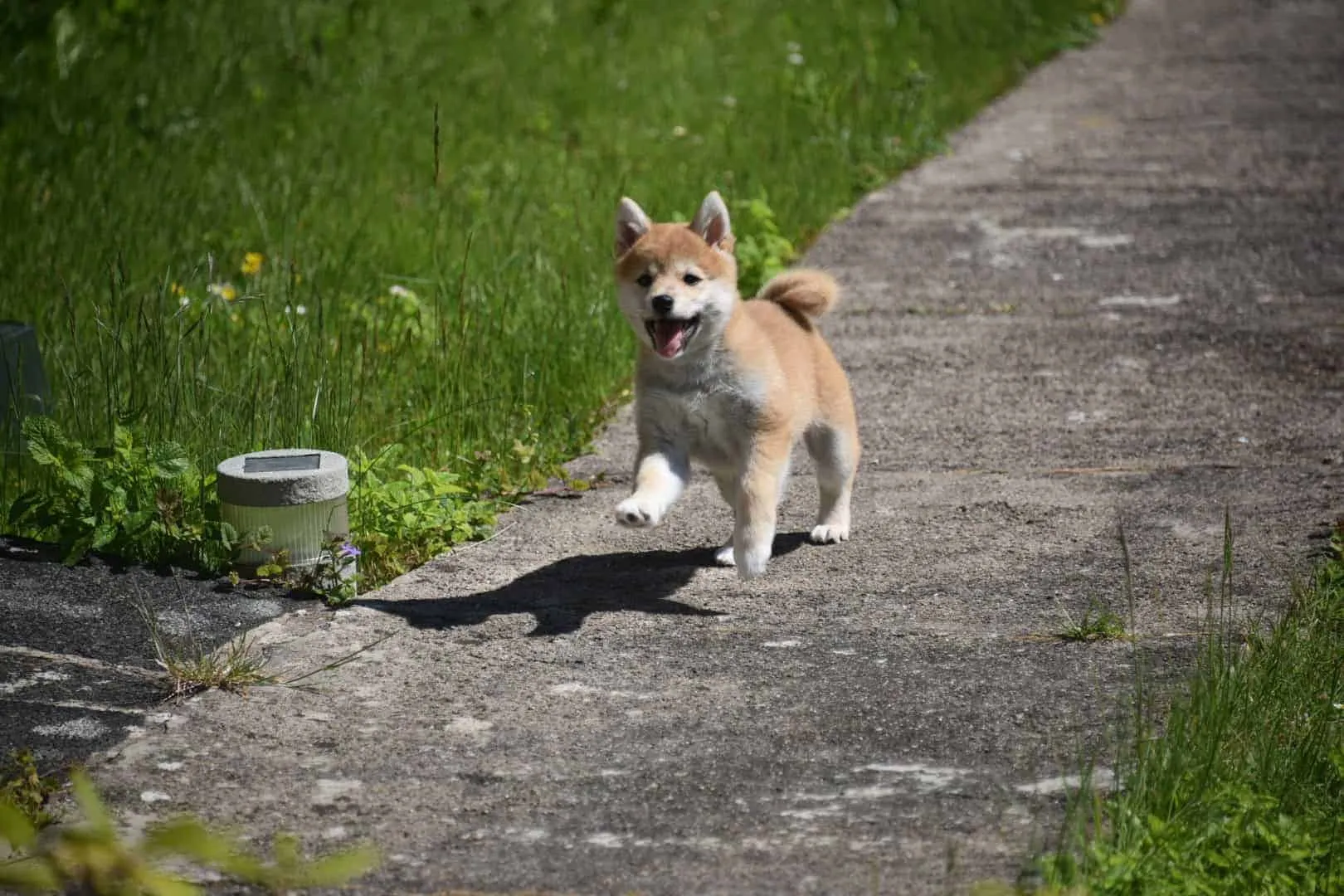
Personality and Temperament
A Shiba is intelligent and loyal, and independent with it. It takes direction willingly from the person it respects and treats the rest of the world as interesting but secondary. The same intelligence is where the stubbornness comes from: a dog that works out it can get away with something will try it.
A Shiba is not a working dog. A Shiba learns tricks quickly and enjoys doing them, but it is not built for long, repetitive training sessions.
It is active without being nervous. It likes to play and run and it wants its exercise, and then it settles. Its size and energy make it a good walking companion for most people, and pulling on the lead is relatively easy to train out. It is also a very clean breed, usually house-trained quickly, and not inclined to walk through a puddle or roll in mud.
With strangers it is reserved and sometimes wary: it will not simply run up to people it does not know. It shows affection in its own, restrained way. It stays near you and follows you through the house rather than asking to be cuddled. It is alert, but not much of a barker. It is not aggressive by nature: a well-socialised Shiba is a reliable family dog.
Health and Nutrition
Several things about the build work in this dog’s favour. Upright ears stay dry and ventilated, so ear trouble is uncommon where a dropped ear invites it. The muzzle is long enough for easy breathing. And the breed does not put weight on readily. Together that leaves a breed in which ear and breathing trouble are uncommon, living ~14 years.
Health splits in two. General health is a matter of environment and food, the hygiene of the housing, the mother’s milk and the quality of what the puppy eats, and until the puppy leaves that is the breeder’s responsibility. The genetic half comes from the mother, the father and the generations behind them.
A female with patellar luxation or a male with hip dysplasia is excluded from our breeding. That does not make either impossible in a puppy, but it makes it far less likely. The rest is how the dog is raised: growth, food, the age at which it is neutered, and care with flea and tick products. Tell your breeder when something goes wrong, because it matters for the breeding decisions that follow.
Training and Exercise
Reward what you want the moment it happens, correct mildly and immediately where you have to, and be patient. A Shiba learns quickly and will also decide that a rule does not apply today, so apply it the same way every time. Variety helps: a bored Shiba starts barking, digging or chewing, while a puzzle toy or a new trick keeps its mind busy.
Socialise early: until it is about three months old, it gets used most easily to new people, animals, sounds and places. A Shiba gets on well with children and with other pets when it has met them young, and it can turn headstrong without that. With unfamiliar dogs of the same sex it can try to play the boss, so keep those introductions calm and on the lead. Shibas are playful and enjoy active games with children, and they need the exercise, so a decent garden or a proper daily walk matters. Supervise the introductions until the dog is properly settled. It is not always patient with rough play, so teach children to respect its space.
The hunting instinct is real and it needs managing. Cats are possible where the two grow up together, with slow and controlled introductions, and small rodents call for care. Plenty of play and scent work gives that instinct somewhere to go. Let it off the lead only in a fenced area. Practise recall from day one, with a tasty reward.
Our training tips show how to teach a Shiba commands, the crate and house-training step by step.
Choosing and caring for your Shiba Inu
Is this the right breed for you?
A Shiba suits an owner who wants an independent dog rather than one that waits for instructions. It is content in an apartment as long as the exercise happens. For socialisation and training, collect the puppy at eight weeks, which is the minimum age in Belgium. So plan short outings, visitors and new sounds in the first weeks at home, and train in short sessions of five to ten minutes.
To choose a basket or cushion that suits a Shiba, read our guide to baskets and cushions.
Essential daily care
Caring for a Shiba Inu means committing to a daily routine that addresses their grooming, feeding, exercise and health needs.
For optimal daily care, focus on these key points:
Coat
Brush it with a brush made for a double coat to lift the loose hair out, and brush more often through the two shedding periods.
Washing
Bathe only when it is really needed. Washing too often strips the natural oils and leaves the coat dry and dull.
Clipping
Do not clip the coat. It insulates against heat as well as cold, and only the hair around the ears and paws is tidied for hygiene.
Exercise
Daily exercise, and it enjoys fetch, agility and frisbee. A garden with scent trails or a slalom gives the mind something to do.
Regular veterinary visits are essential to monitor health, contributing to a longer lifespan for your Shiba Inu. If you are considering getting a puppy, it is important to recognize a good breeder.
Recognised family business since 1990, now in its second generation
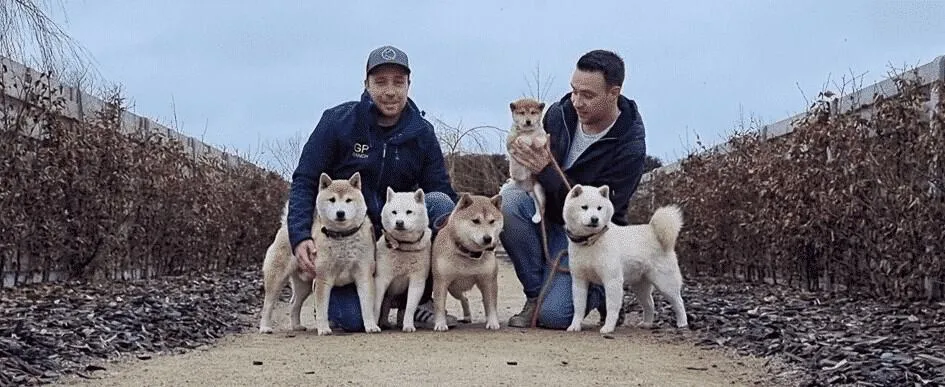
We are a recognized breeder of Shiba Inu puppies in Belgium. Our ranch is in Putte (near Mechelen), between Brussels and Antwerp, about 40 kilometers from Brussels, 30 kilometers from Antwerp and 80 kilometers from Ghent. Our puppies are socialized on the ranch through contact with our caretakers and with other dogs and puppies. Woefkesranch has been a family business since 1990 and is now in its second generation. Every puppy is born in our own kennel under permanent supervision, with no imports and no middlemen. Families are guided before the purchase and are welcome back with their questions long afterwards.
Delivery to your door in and around Brussels, Cologne, Amsterdam, Rotterdam, Düsseldorf, Essen, The Hague…
If you have no transport, someone from Woefkesranch brings your puppy to your home, up to 250 km from Putte. Approximately: Hasselt 60 km, Charleroi 80 km, Mons 100 km, Liège 110 km, Bruges 120 km, Rotterdam 120 km, The Hague 150 km, Düsseldorf 180 km, Amsterdam 190 km, Cologne 190 km, Essen 220 km.
Frequently Asked Questions
Can a Shiba Inu be left alone?
Better than most breeds. A Shiba is independent as well as loyal, which makes being alone easier for it. How long depends on what the dog is used to, so get it used to the real pattern of your week from the start rather than spoiling it first and correcting later.
Is a Shiba Inu dangerous?
No. A Shiba is alert and reserved with strangers, but not aggressive by nature. Early socialisation with people, children and other animals makes it a reliable family dog. Read more in our article on whether a Shiba Inu is dangerous.
How old does a Shiba Inu get?
The breed lives ~14 years. It is a healthy breed, and the upright ears, the long muzzle and the low tendency to put on weight all help.
Does a Shiba Inu shed?
Yes, heavily, twice a year, in spring and in autumn. Brushing through those weeks removes most of it. Outside the shedding periods, regular brushing is all the coat asks for.
Can a Shiba Inu get along with cats?
It can, where the two are socialised and trained together from a young age. The hunting instinct means the introduction should be slow and controlled, and the interaction worth keeping an eye on.
Can a Shiba Inu live in an apartment?
Yes. It is an active dog, so the exercise has to happen somewhere, either as a proper walk or as scheduled play, but the breed is clean and settled enough indoors to suit an apartment.
When is a Shiba Inu fully grown?
A Shiba grows fastest between three and seven months and more slowly after that. Most reach their adult height and weight at around twelve months; some keep filling out until eighteen months. Diet, activity level and the individual dog all shift the timing, and both weight and height can vary, so ask your vet if you want to know where a particular dog stands.
Does a Shiba Inu puppy come with a pedigree?
No. Our Shiba Inu puppies are sold without a pedigree, as companion dogs. A pedigree matters to anyone who wants to breed, but it says nothing about health; for that, we test the parent dogs and confirm the parentage with a DNA parentage test.
How do I avoid a scam when buying a puppy?
Be wary of a price far below the usual price, photos you also see with other sellers, a seller who will not let you visit the puppies and their mother, and extra costs that suddenly appear, such as customs or vaccines. With a recognised Belgian breeder, you can come and see the puppies with their mother first.
Come and see
Make an appointment
Do you want to visit our puppies? You can also make an appointment.
- 100% Belgian puppies
- Professional statutory warranty
- 24/7 service after sale
- Puppies have all necessary vaccines
- Puppies are dewormed multiple times
- Chipped and with Belgian/European passport
- DNA-tested parents