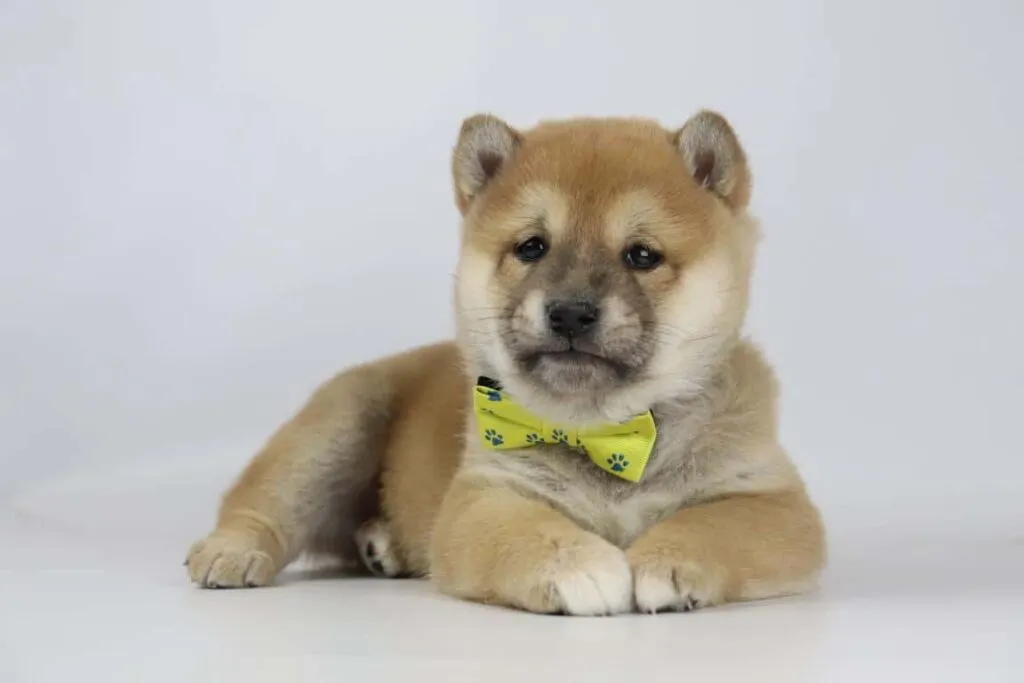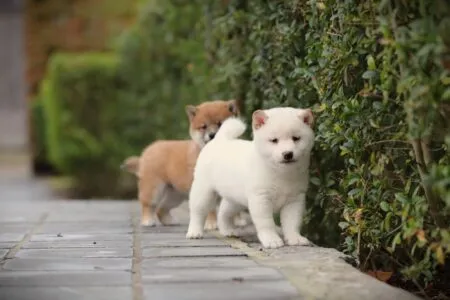
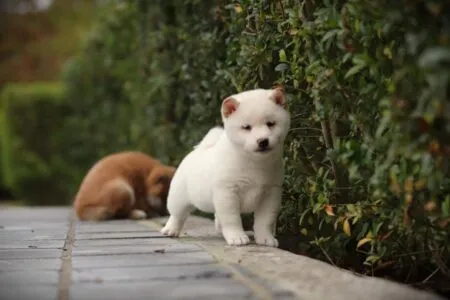
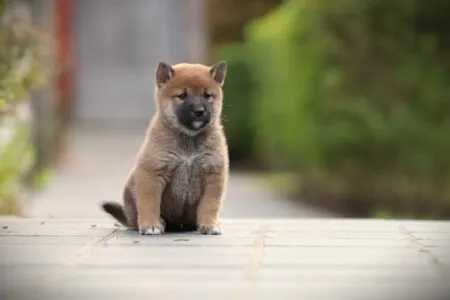
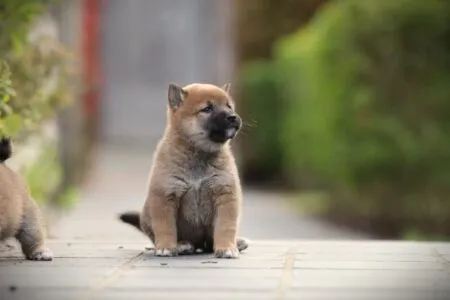
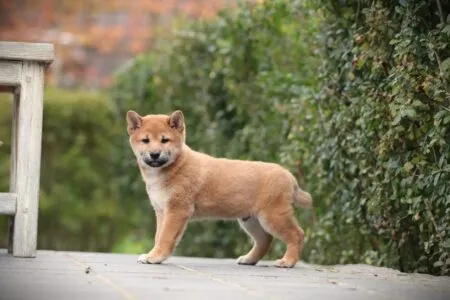
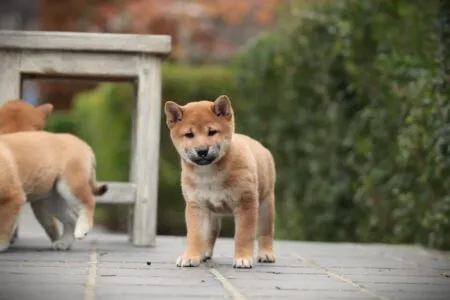
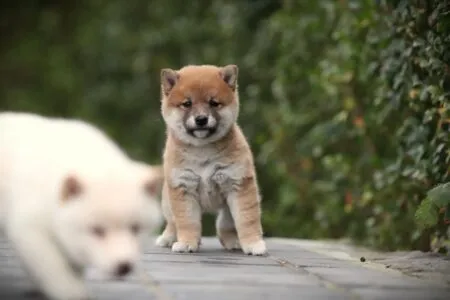
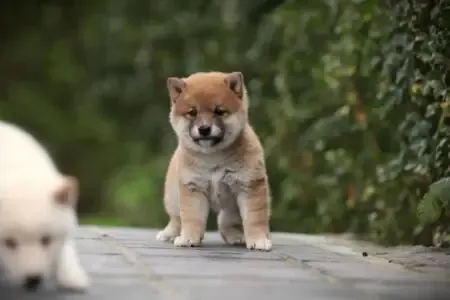
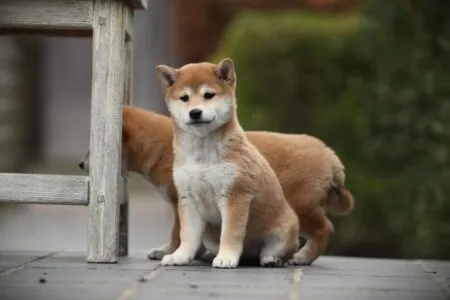
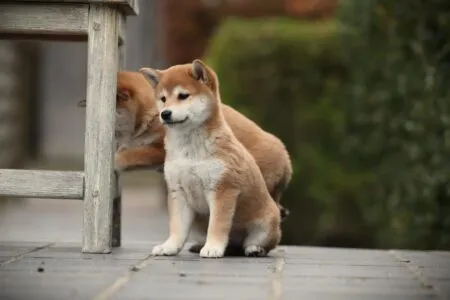
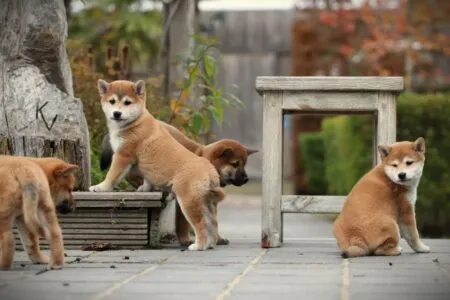
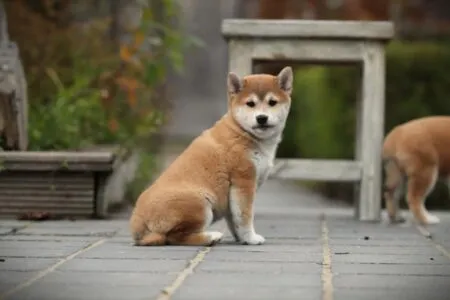
The question of whether living together with a Shiba Inu and children is a good choice is an important consideration for families thinking about this characterful Japanese dog breed. The answer is nuanced and depends on several factors, including socialization, training and the individual personality of the dog. A Shiba Inu and children can form a wonderful relationship, provided it is well supervised.
Natural disposition
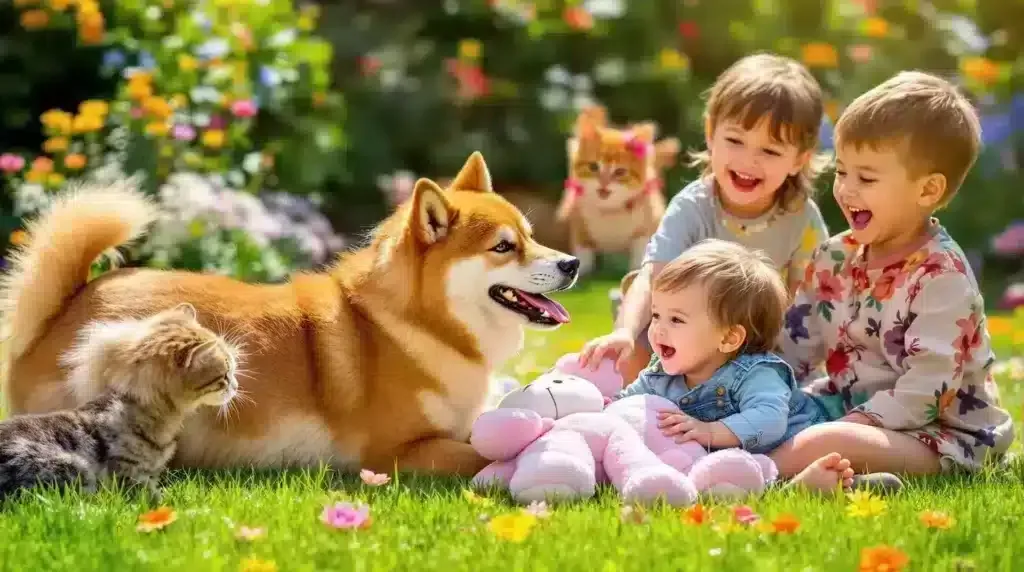
Shiba Inus have a complex relationship with children. By nature they are reserved and value their personal space. They are not the typical “children’s dogs” like some other breeds that are endlessly patient with noisy, active kids. A Shiba is not a toy and does not want to be treated as one.
As a rule, Shiba Inus will not attack children out of the blue, but they absolutely do not appreciate fingers poking in their eyes or hands pulling their tails. A Shiba that feels threatened in that way will growl and, as happens within a pack, will want to correct the child immediately. A correction that does no harm between dogs can injure a child.
When introducing a Shiba Inu to children it is crucial to create positive experiences from an early age. This ensures the Shiba Inu can interact positively with children.
Protective instinct
At the same time, Shiba Inus see children as members of their pack who need protection. Within the family they will often adopt a protective stance toward the children. The Shiba Inu is considered loyal and reliable, which in principle makes it suitable as a family dog, provided clear boundaries are set.
Successful coexistence
For a successful relationship between Shiba Inus and children a few important factors are essential:
- Early socialization: It is crucial to introduce your Shiba to children of different ages from a young age. During daily walks, visit places where many children are present, such as playgrounds and schools.
- Positive associations: Have children reward your puppy with treats after positive interactions so your dog associates children with pleasant experiences.
- Education for children: Teach children how to interact respectfully with the dog. No sudden touches on areas the dog doesn’t see coming, but long strokes along the back. No hands coming from above; first let the dog sniff the hand.
- Supervision: Regardless of the breed of your family dog, it is always important to supervise children and dogs, especially with young children.
- Respect for boundaries: Teach children to recognize the signals when the dog needs rest or wants to be left alone.
The Shiba Inu and other pets
Cats and small pets
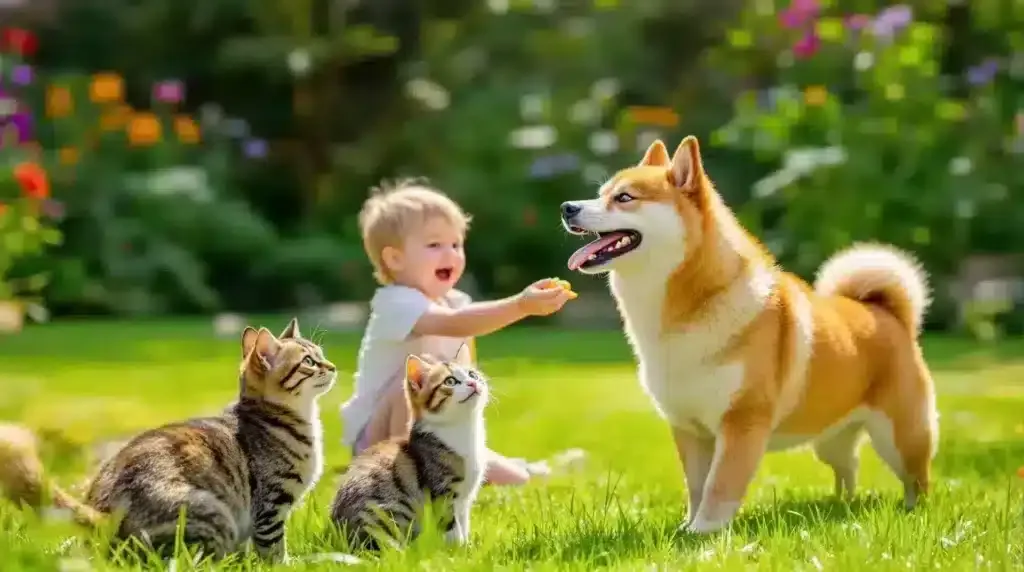
The relationship between a Shiba Inu and other pets, especially cats, is also complex. Shiba Inus have a strong prey drive, which means they may naturally be inclined to chase smaller animals. This makes introducing a Shiba Inu into a household with cats or other small pets a challenge.
However, if a Shiba Inu has been socialized with cats from a young age, it can be possible to have them live together. The personality of the individual dog plays a large role. If your Shiba Inu is naturally playful and doesn’t become aggressive quickly, this can be a good sign for coexisting with a cat.
Other dogs
Shiba Inus often approach other dogs cautiously. With unfamiliar dogs of the same sex they may want to be the boss, which can sometimes lead to tension. Their play with other dogs is usually short-lived and controlled, and they are selective in their social interactions.
That is why living with other dogs can be challenging. Early and intensive socialization is essential to ensure anadult Shiba Inugets along well with other dogs.
Tips for a successful introduction
For a successful introduction of a Shiba Inu to other pets, these steps are important:
- Gradual introduction: Let the animals get used to each other slowly, for example by first exchanging scent via a blanket or toy.
- Controlled meetings: Keep the first encounters short and under strict supervision.
- Positive associations: Reward both animals for calm and friendly behavior in each other’s presence.
- Safe spaces: Ensure each animal has its own safe place to retreat to.
- Patience: Accept that building a good relationship between different pets takes time.
The role of socialization and training
The key to successfully living with a Shiba Inu, children and other pets lies in early and consistent socialization. A Shiba Inu should be accustomed from an early age to different people, other dogs, other pets and children.
A Shiba Inu with children can also benefit from shared activities, such as playing and training, which strengthens the bond between them.
Would you like to learn more about the fascinating character of the Shiba Inu and whether this breed fits your family situation? Visit our extensive page about the Shiba Inu character for more insights and tips.
If you are considering adding a Shiba Inu to your family, check out our available Shiba Inu puppies or read more about raising a Shiba Inu.