



What is the average Shiba inu lifespan?
When you buy or adopt a Shiba Inu, you quickly form a bond with your new dog or puppy and may worry about what the future holds. How long will your Shiba Inu live? Dogs have a very short lifespan compared to humans, and it is often a difficult reality to accept. Improving the odds with a healthy lifestyle can make a difference for the Shiba inu lifespan.
An ancient breed
As a Japanese spitz breed, Shiba Inus are closely related to the Akita Inu, Hokkaido Ken and Kai Ken. The Shiba is the smallest of these breeds, which look quite similar in appearance. The origin of these breeds goes back to AD 7, when breed records were kept in Japan. DNA research has shown that they are one of the oldest domesticated dog breeds.
Originally there were three types of Shiba from the different regions of Japan, but the breed is now recognized as one size and one type. They were originally bred for hunting birds and small game, and were occasionally used in the hunting of wild boar.
Because the Shiba is an ancient breed, they have a body well adapted to be physiologically efficient and healthy. They are less affected by the consequences of the targeted breeding programs of modern times.
How old does a Shiba Inu get?
If it enjoys good health, you can expect your Shiba to live about 12 to 15 years.
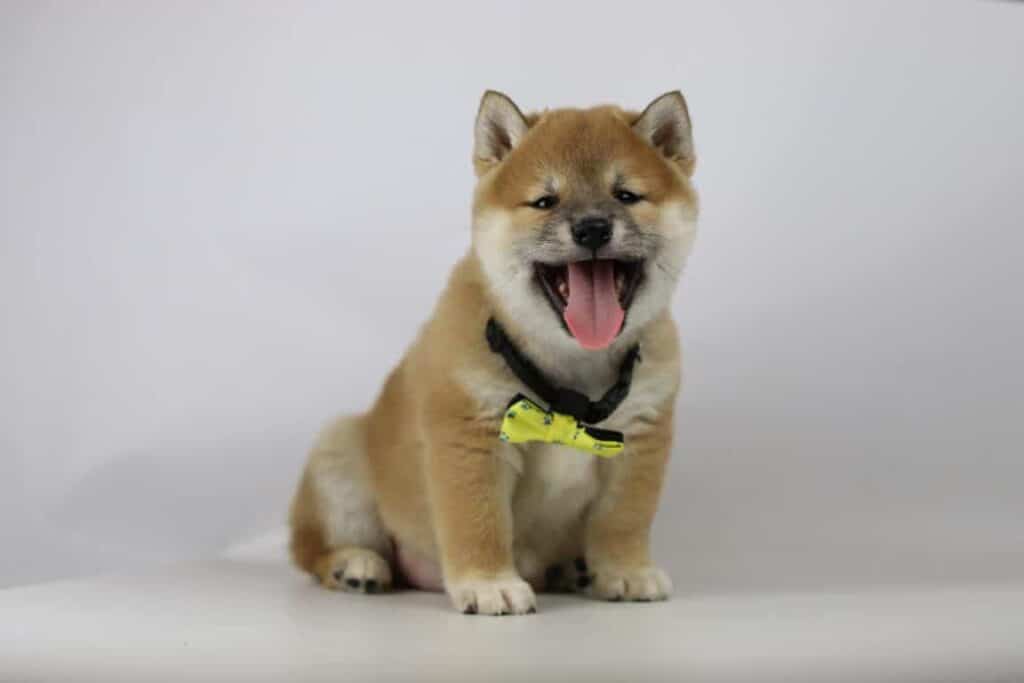
This is a good lifespan for a medium-sized dog, which means this breed generally has good health with few genetic problems. Spaying or neutering your Shiba may also extend his or her lifespan by removing the risk of reproductive cancers. However, this usually leads to poorer health than leaving your Shiba intact.
Although the chance of your Shiba developing uterine or testicular cancer is very small, the risk of other problems increases drastically when spaying or neutering. It is therefore better NOT to neuter, this causes the fewest problems!
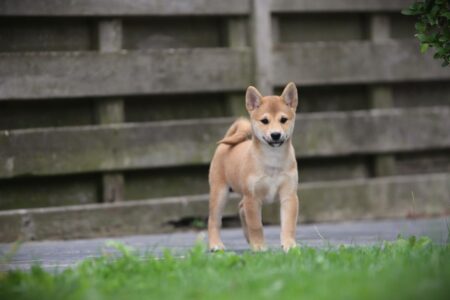
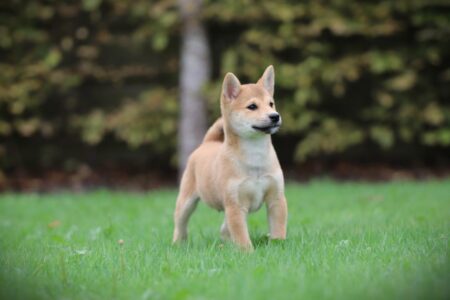
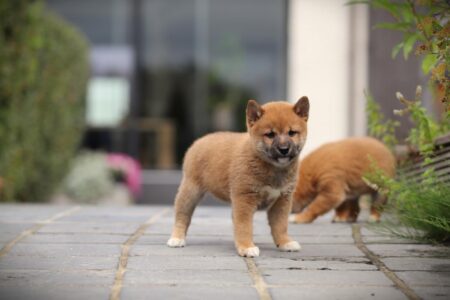
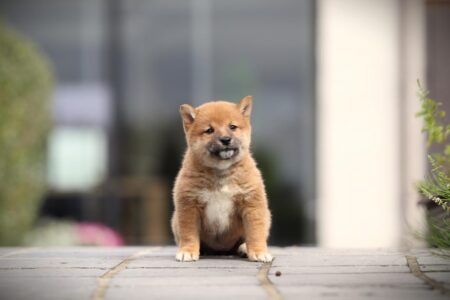
Shiba Inu Age: Puppy
In the first life stage of a Shiba Inu puppy, which usually lasts until about one year old, it is important to pay a lot of attention to socialization and training. During this period the puppy learns about the world around him and develops his personality.
It is essential to build a strong bond and follow consistent routines to promote desired behavior. In addition, proper nutrition is crucial for healthy growth and development. It is also important to regularly check the puppy’s health to ensure the puppy gets a good start in life. You can easily do this yourself; a healthy pup is active and eats well. A sick pup does not.
Shiba Inu age: Adult
The adult life stage of a Shiba Inu is a time of stability and maturation. At this point the dog has reached adulthood and is usually between 1 and 8 years old. During this period the Shiba Inu enjoys its adulthood, further developing its characteristic traits. During this phase Shiba Inus often have a strong personality and can show autonomy and independence. When is a Shiba Inu adult? This usually occurs around the age of 12 months, although some dogs may need a little longer to become fully mature in both behavior and appearance. It is important to continue socializing and training them during this stage of their lives to maximize their potential.
It is important to maintain a healthy lifestyle to maximize the Shiba Inu’s life expectancy. This includes regular exercise, a balanced diet and regular health checks at the veterinarian. With the right care a Shiba Inu can have a life expectancy of 12 to 15 years.
Shiba Inu age: Senior
How to increase lifespan?
Genetic disease in Shiba Inus
Shiba Inus are generally a healthy and sturdy breed, but they can experience some common health problems seen in many different dog breeds. A healthy lifestyle and regular veterinary visits can significantly increase the chances of extending your Shiba’s lifespan.
Patellar luxation
Patellar luxation is a condition that causes problems in the knee joint and can lead to lameness, sometimes requiring surgery. If your Shiba is limping, especially in the hind legs, you should take your dog to the veterinarian for an examination.
Hip dysplasia
Hip dysplasia can also affect your Shiba and can be diagnosed by your veterinarian with X-rays. A dog that appears stiff or weak at the rear should be evaluated by a veterinarian, and breeding dogs should be assessed for good hips before participating in a breeding program to avoid passing this genetic disease on to puppies.
Eye disorders
Eye disorders can also affect Shibas, such as progressive retinal atrophy, cataracts and glaucoma. Evaluation of your Shiba’s eyes can be performed by a board-certified veterinary ophthalmologist.
Allergies
Allergies can also be an issue for Shiba Inus. Flea, food, or environmental allergies do not necessarily affect your dog’s lifespan, but they can impact the quality of life if not effectively treated by a veterinarian.
Training to improve your Shiba Inu’s lifespan
By training your dog, you can extend his or her lifespan by keeping your dog safely at your side and under control through verbal cues. Exercise also trains your dog’s brain and keeps him or her happy, which contributes to good health. Training your Shiba Inu to return on command increases the chances that he or she will lead a long and healthy life.
High-quality food for your Shiba Inu’s health
Choosing an excellent diet for your Shiba Inu can extend his or her lifespan by providing superior nutrition that supports the health of bones and organs. A high-quality dog food with several excellent protein sources and balanced nutrition will help your Shiba enjoy your company for years to come.
It is also important to feed the proper amount and ensure your Shiba Inu gets enough exercise, as an overweight dog may have a shorter lifespan. Your dog’s veterinarian can help you determine whether your Shiba’s weight is appropriate and healthy.
Enjoy the company of your Shiba Inu
Although dogs do not live as long as we would like, your Shiba Inu will have a long life with your care and dedication to his or her health, training and nutrition.
Do you have questions about the lifespan of Shiba Inus? Leave your question in the comments. Remember that by providing your Shiba Inu with these basic needs, you can keep him or her healthy and enjoy many years of companionship.
Conclusion
• Regular veterinary visits
• Do NOT spay or neuter your Shiba Inu
• Test for genetic disease so treatment can be provided
• Training for obedience and safety
• A healthy lifestyle, including good nutrition and exercise