Maltipoo puppies & breed info

Available Maltipoo puppies for sale
Click ‘Puppy alert’ to stay up to date on new Maltipoo litters.
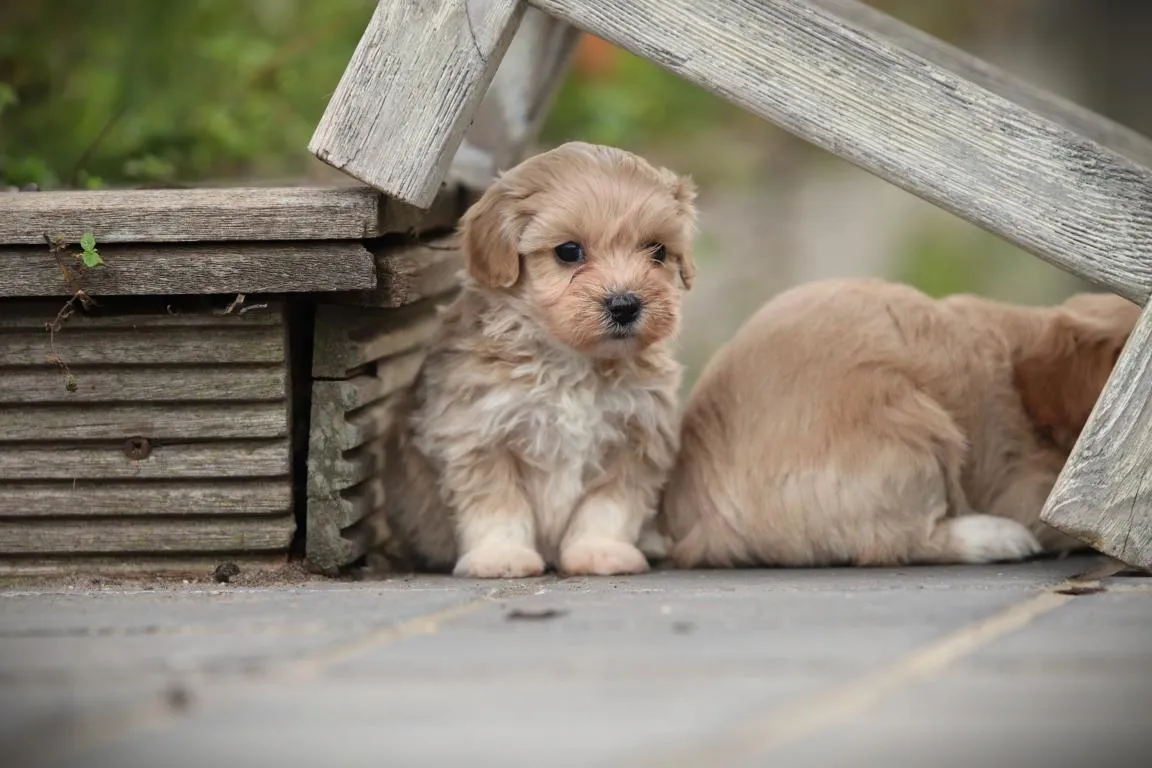
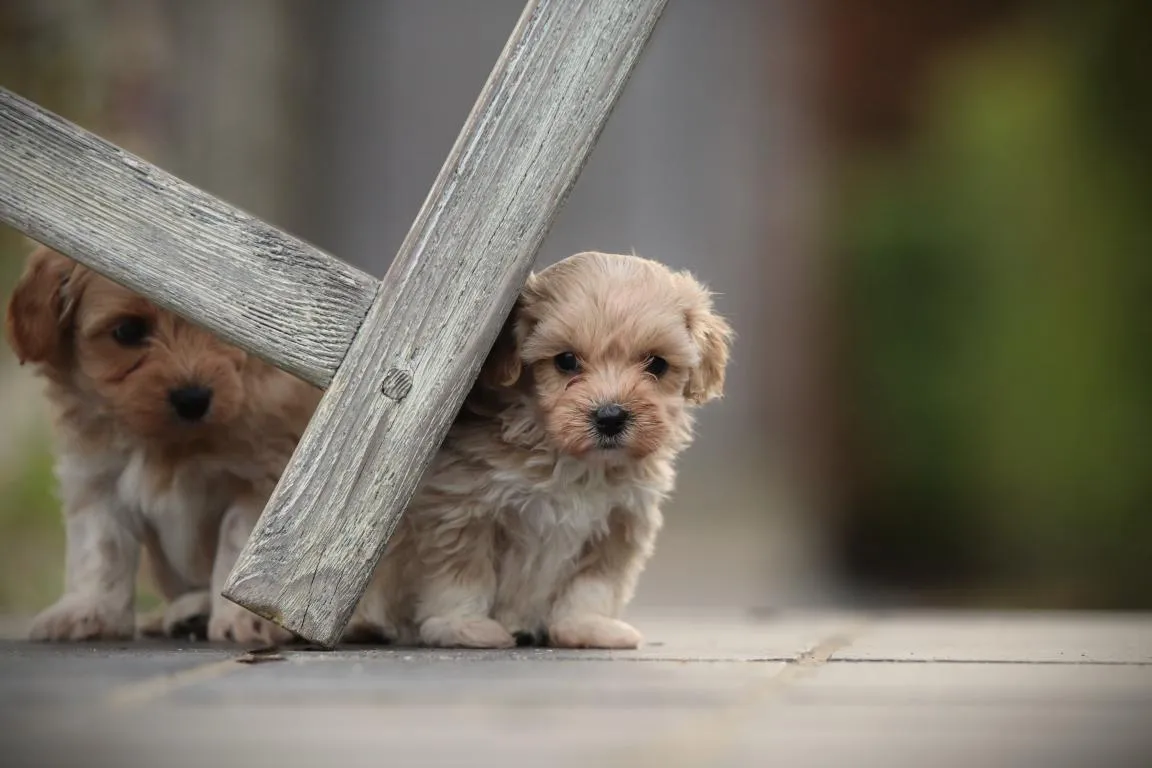
Available from 16 November
- Mini Maltipoo (Weavy)
- Born: 20 September 2026
- Mother: Layka
- Father: Bobby
- 🧬 DNA Tested
- 🦴 Patella Luxatie vrij
- 🇧🇪 Origin: our own kennel
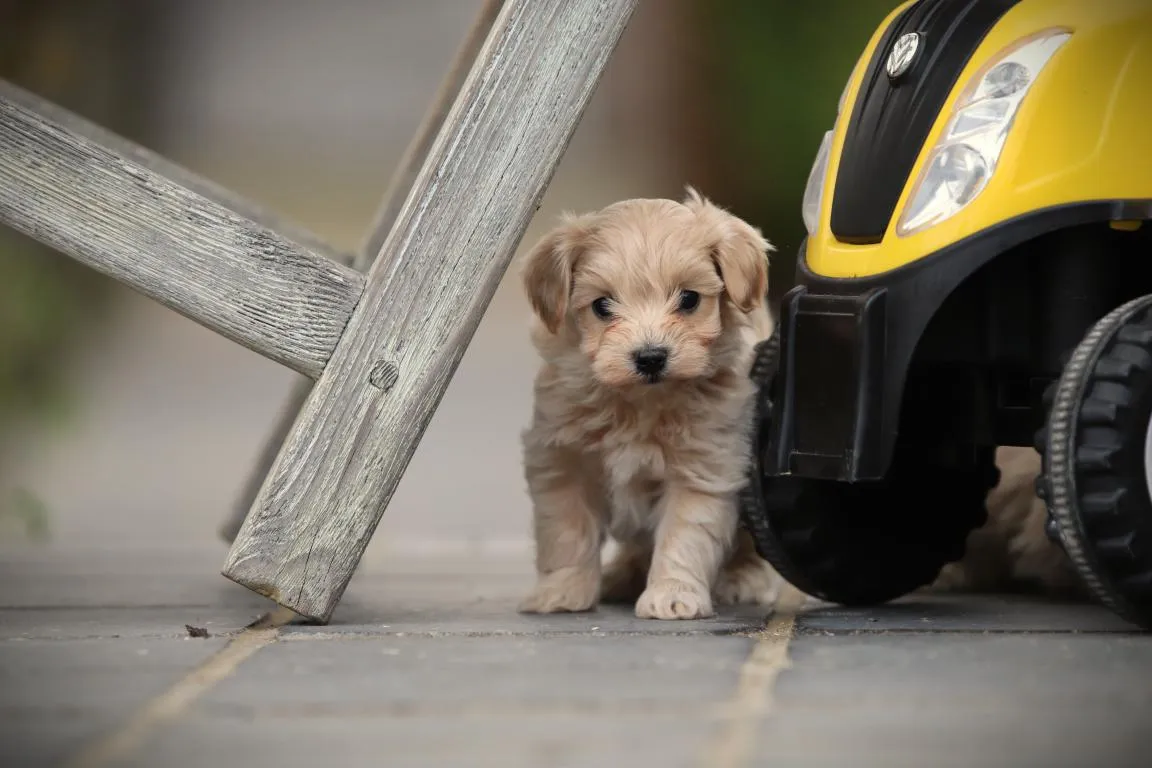

Available from 16 November
- Mini Maltipoo (Weavy)
- Born: 20 September 2026
- Mother: Layka
- Father: Bobby
- 🧬 DNA Tested
- 🦴 Patella Luxatie vrij
- 🇧🇪 Origin: our own kennel

Available from 16 November
- Mini Maltipoo (Weavy)
- Born: 20 September 2026
- Mother: Layka
- Father: Bobby
- 🧬 DNA Tested
- 🦴 Patella Luxatie vrij
- 🇧🇪 Origin: our own kennel


Maltipoo price
How much does a Maltipoo puppy cost? At Woefkesranch every puppy is born on the ranch and grows up with its mother, whom you always see when you visit. We have the parents tested for hereditary conditions, and every puppy leaves socialised, vaccinated, dewormed, microchipped, with a European passport and a 1-year guarantee. After the purchase we stay reachable by phone or WhatsApp, around the clock for urgent matters. That is why a Maltipoo puppy costs €2,000 to €3,000.
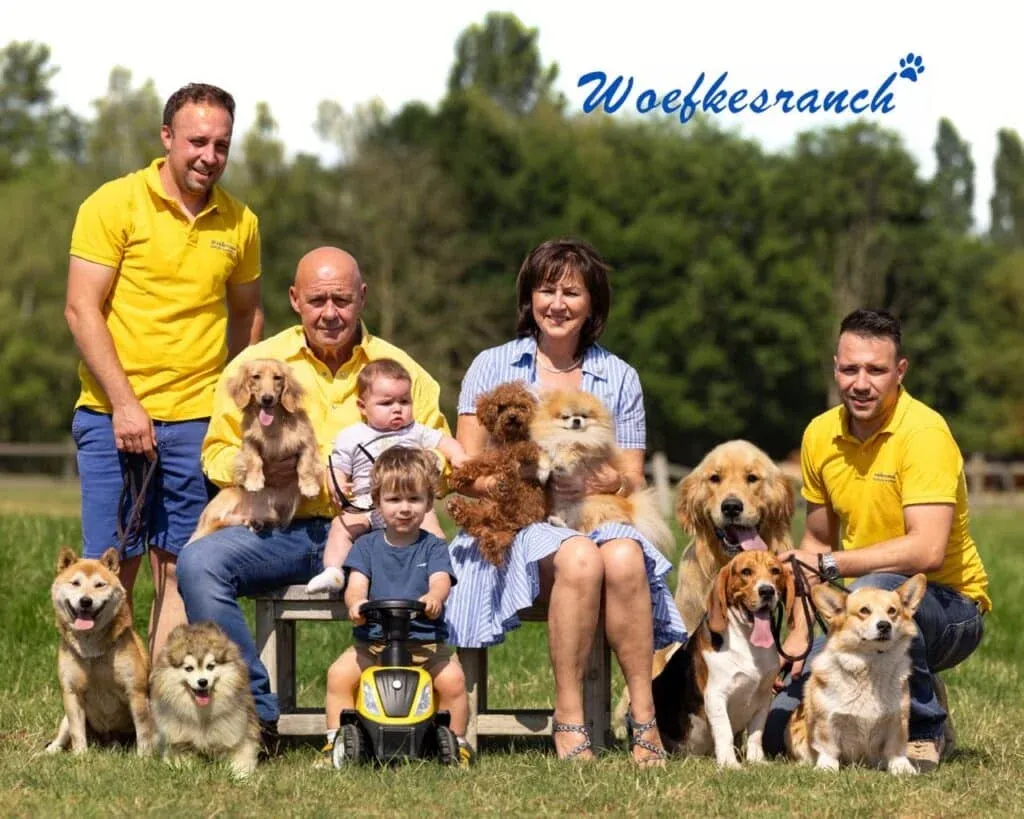
Woefkesranch has been a recognised Belgian family kennel since 1990. Puppies that cost much less often come from the Eastern European supply, with inhumane practices and serious health problems. Some sellers offer these puppies as if they were bred in Belgium. Learn more about the risks in the Pano report (VRT, in Dutch), for which the team also filmed at our ranch: De Oost-Europese puppybusiness.
Our usual process
Buying a Maltipoo puppy from Woefkesranch – Belgian breeder since 1990
How it works:
- Meet the puppies (optional). Make an appointment to see the puppies with their mother, and to work out together which puppy suits your family.
- Reserve your puppy (optional). You can reserve online (24/7) or by phone on +32 (0)15 75 59 42. After reserving, you receive photos on request. If a puppy is already 8 weeks old, you can also take it home at your visit.
- Collection from us or home delivery. You can collect your puppy from 8 weeks old. It leaves microchipped, vaccinated, dewormed and with its European passport, and we register it in your name in DogID together. If you have no transport, someone from Woefkesranch brings your puppy to your home, within 250 km of our ranch in Putte (including the Netherlands, France, Luxembourg and Germany).
- 1-year guarantee. Every puppy has a 1-year guarantee on hereditary conditions and hidden congenital defects. We remind you about the first booster vaccination and deworming.
- Lifelong support. We remain available by phone or WhatsApp, also for training tips and health questions. For urgent matters we can be reached 24/7.

Written and reviewed by Marleen Dyck, co-founder of Woefkesranch
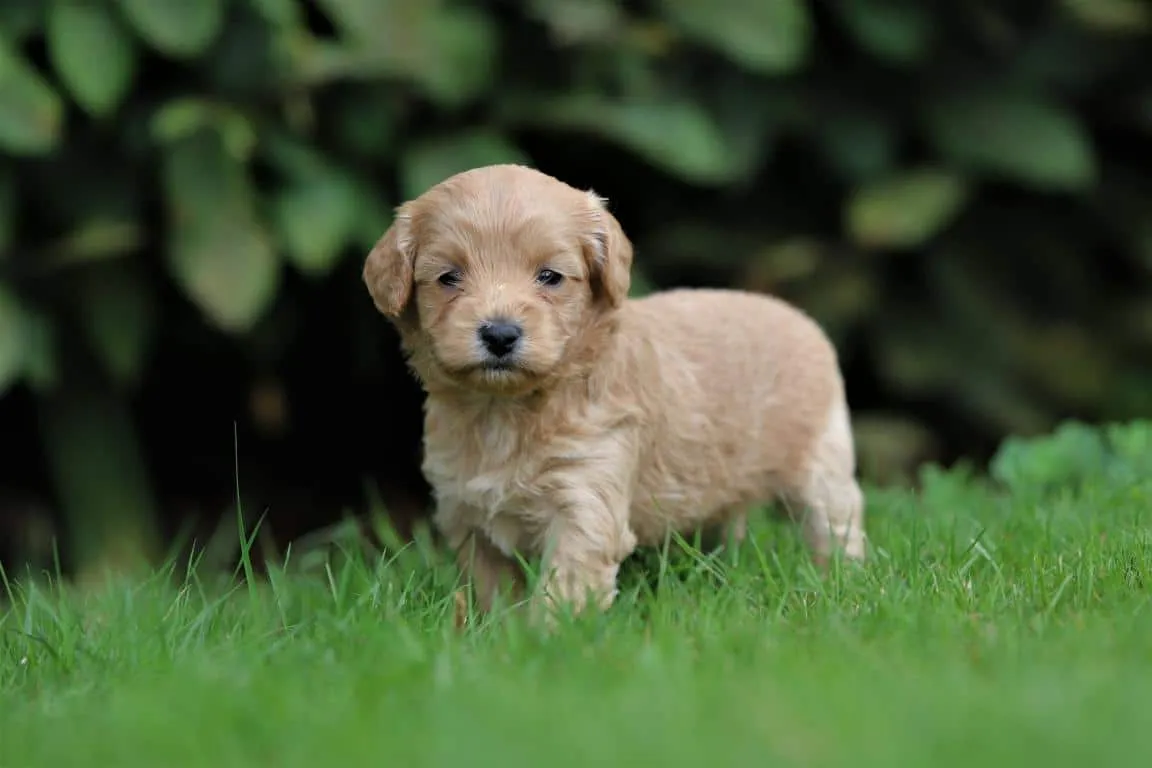
A gentle, allergy-friendly little dog that loves a lap
Affectionate, enthusiastic and quick to learn, with a deep attachment to its own people. It is alert and will bark at something strange, and it is happiest somewhere between a lap and a game of fetch.
What to expect
Affectionate
Deeply attached to its people, and happiest on a lap.
Quick to learn
Intelligent, and responds to reward and a calm voice.
Alert
Will bark at something strange, without being aggressive.
The best of both
The cheerfulness of the Maltese, the brains of the miniature poodle.
Height*
~28 cm
Weight*
~5 kg
Life expectancy
~12 years
Origin
United States, 1990s
*The sizes above are guide values for this breed. Woefkesranch aims for them, but the health of the dogs always comes first.
Breed summary
You will discover that the Maltipoo is a companion dog that fits into a family without needing much room: a Maltese crossed with a Toy Poodle, bred in the United States over the last thirty years. The coat rarely sheds, which is why many households that react to other dogs manage with this one, and it needs brushing every week to stay that way. You will need to socialise it early and accept that a cross varies: the parent dogs decide more here than in a breed with a standard. Read on to see what this breed asks of you.
In five points
- The Maltipoo is a Maltese crossed with a Toy Poodle, bred deliberately in the United States over the last thirty years as a small companion.
- It stays small, ~28 cm and ~5 kg, and the coat comes in white, cream, apricot, grey and bicolour.
- The coat rarely sheds, which is what makes the cross manageable for some allergy sufferers, and a weekly brush takes out the hair it does drop.
- Exercise is modest: a quarter of an hour of walking or indoor play a day is enough, and it suits an apartment.
- Because it is a cross rather than a standardised breed, the parent dogs decide the temperament, so what a breeder tested for matters here.
History and Origin
The Maltipoo is a recent cross. It has been bred deliberately in the United States for roughly thirty years, putting the cheerful character of the Maltese together with the intelligence of a Toy Poodle, and it is only in the last decade that it became widely known as a family dog.
The point of the cross was a small, well-balanced companion that sheds very little, and that is still what it is bought for. Because it is a cross and not a standardised breed, it has no kennel-club standard to breed to, which is why two Maltipoos can differ more than two dogs of a pedigree breed.
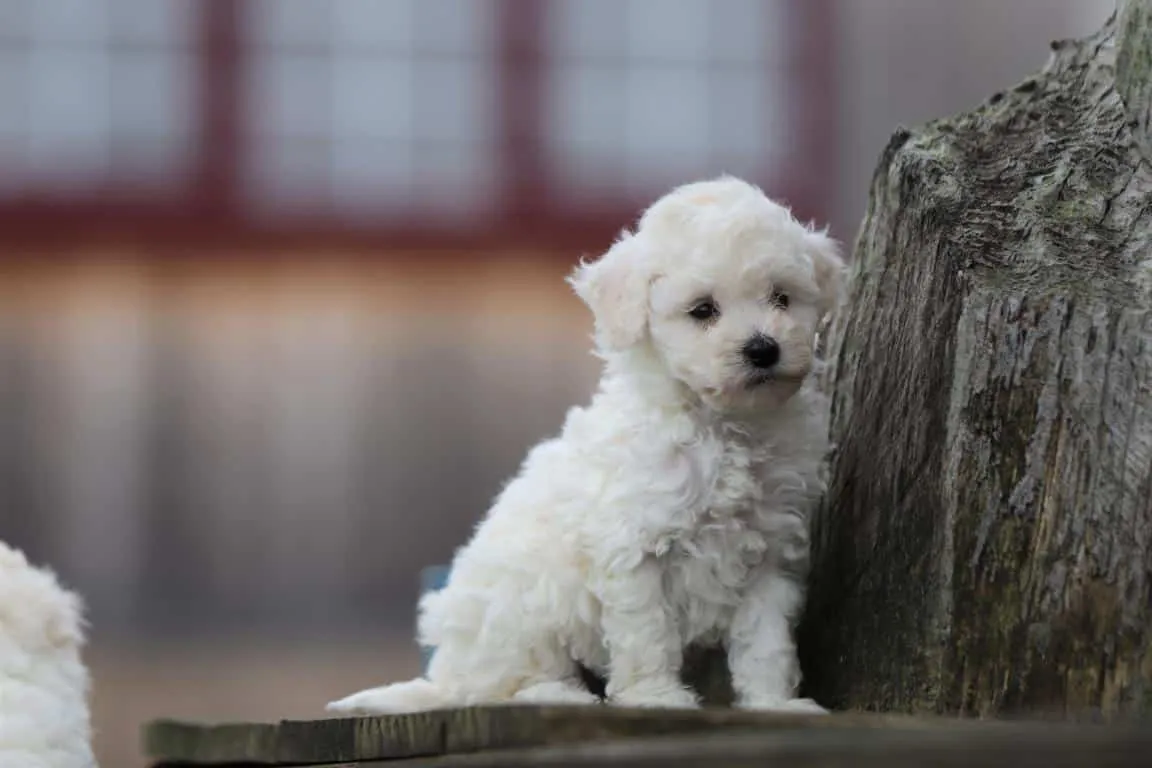
Physical characteristics and grooming
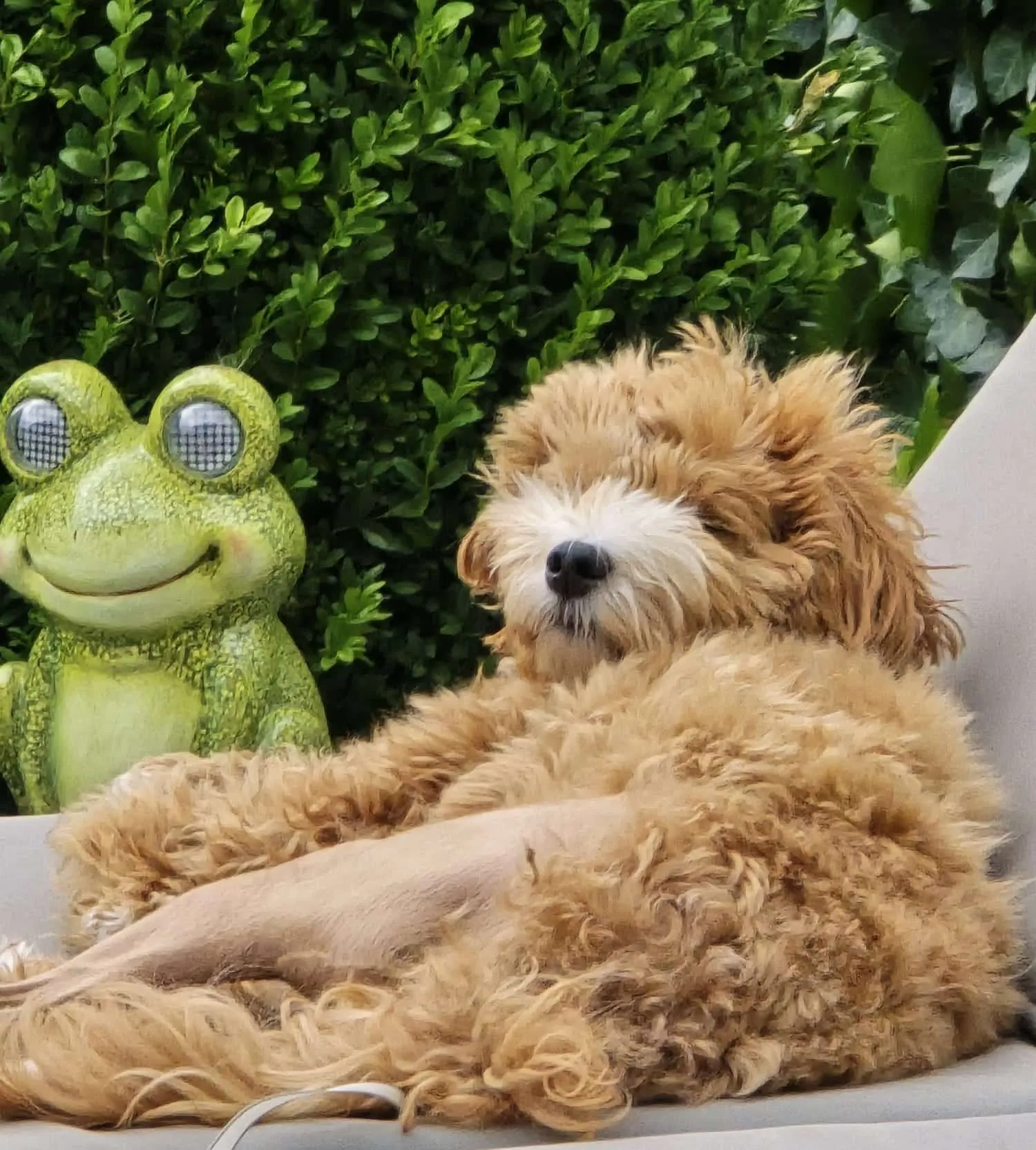
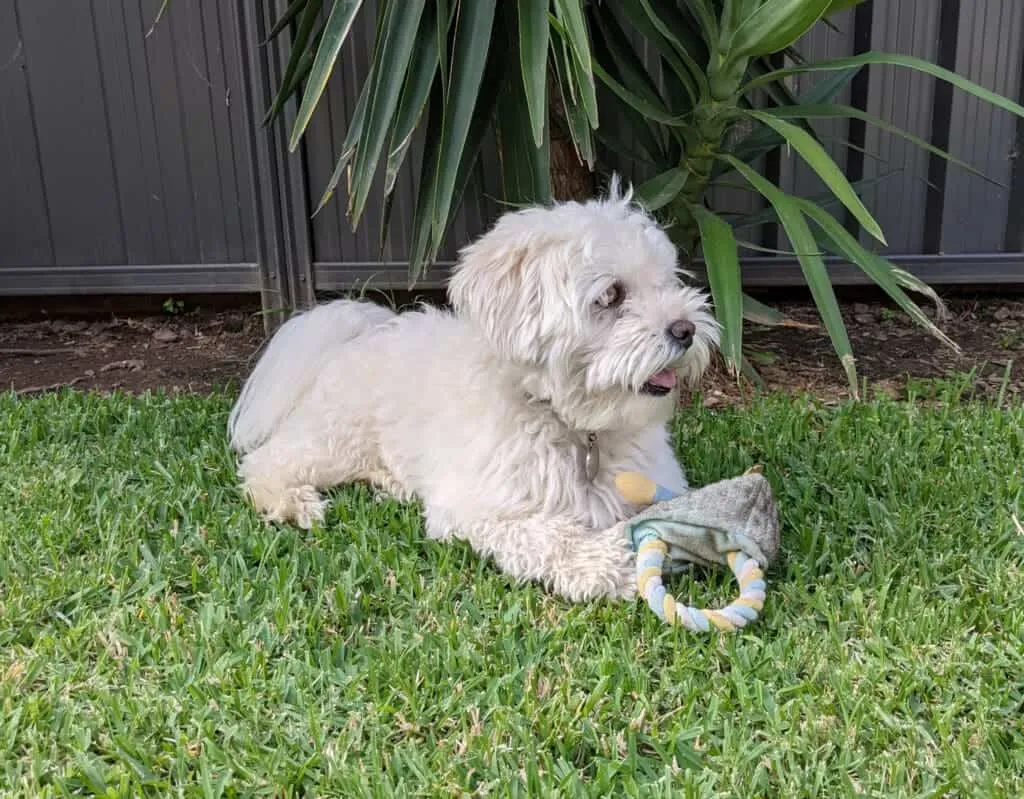
A Maltipoo is a small dog, ~28 cm at the withers and ~5 kg, and it usually stays small for life. The coat is medium-length and curls, in white, cream, apricot, grey, black or bicolour, and it rarely sheds.
Be careful with anyone selling a teacup Maltipoo. Dogs bred deliberately undersized come from practices that produce health problems, and the size is not a feature.
Hypoallergenic: all breeds at Woefkesranch
A purebred coat is known in advance, while a cross can take after either parent. The low shedding depends on the coat being kept up, so grooming is needed whichever you choose. Where an allergy is a real concern, spend time with the individual puppy before deciding.
| Characteristic | Maltipoo | Lagotto Romagnolo | Labradoodle | Cockapoo | Miniature Poodle | Maltese |
|---|---|---|---|---|---|---|
| Height | ~28 cm | ~44.5 cm | ~48.5 cm | ~36.5 cm | 28–32 cm | ~22.5 cm |
| Weight | ~5 kg | ~13.5 kg | ~20 kg | ~10 kg | 5–7 kg | ~3.5 kg |
| Hypoallergenic | Usually, both parent breeds are low-shedding | Always | Not always, depends on the parents | Not always, depends on the parents | Always | Always |
| Coat care | Brush weekly, professional trim every 6 to 8 weeks | Brush twice a week, trim every 6 to 8 weeks | Brush several times a week, groomer every 8 to 12 weeks | Brush daily, trim every 8 to 10 weeks and never shorter than 5 cm | Comb regularly, professional trim every 2 to 3 months | Comb weekly, trim once or twice a year |
| Breed origin | Maltese and Miniature Poodle | Purebred, from Italy | Labrador Retriever and Poodle | Cocker Spaniel and Poodle | Purebred, from France | Purebred, from Malta and Italy |
Comparison of the Maltipoo, the Maltese and the Miniature Poodle
| What differs | Maltipoo | 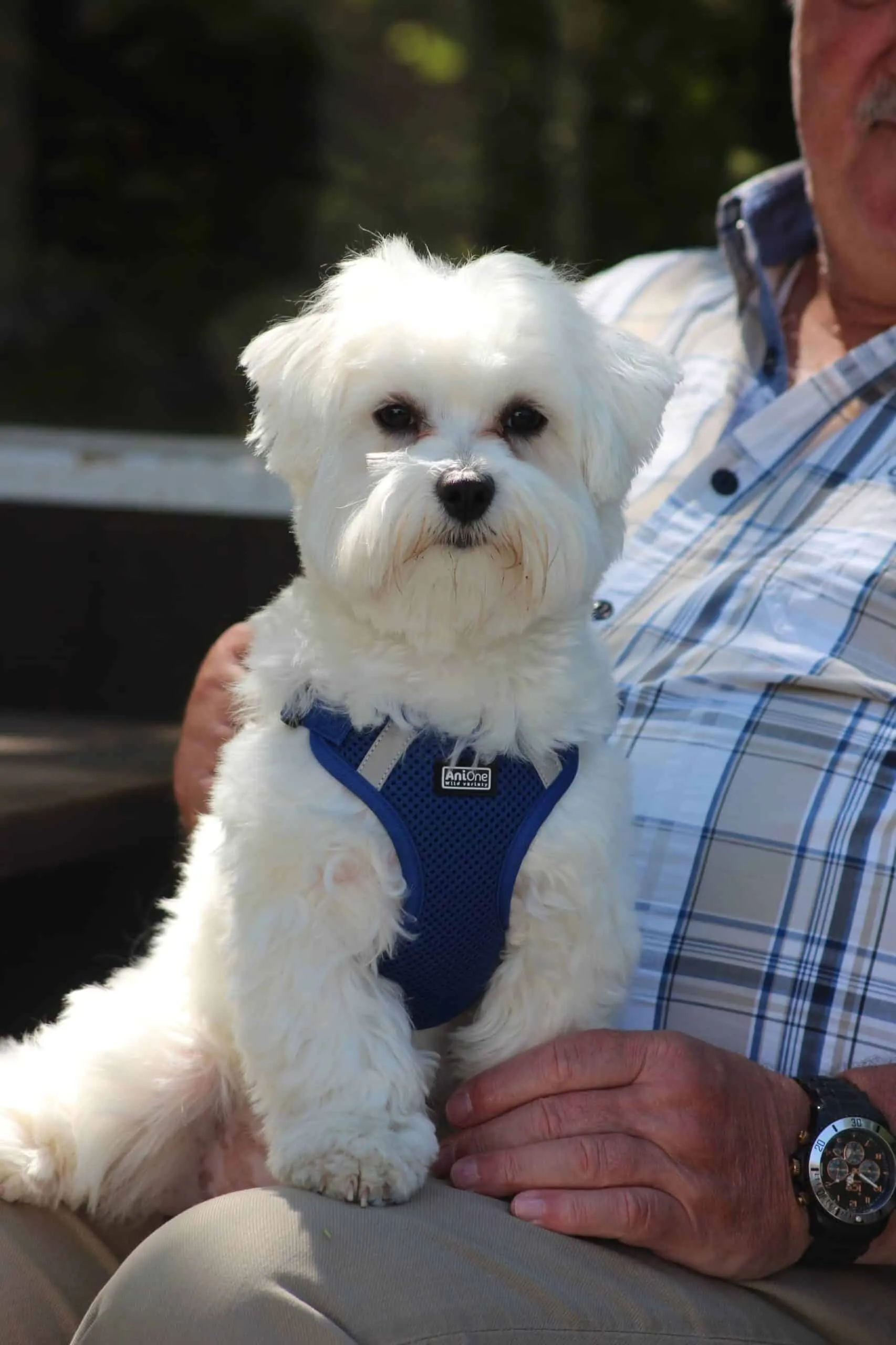 Maltese | 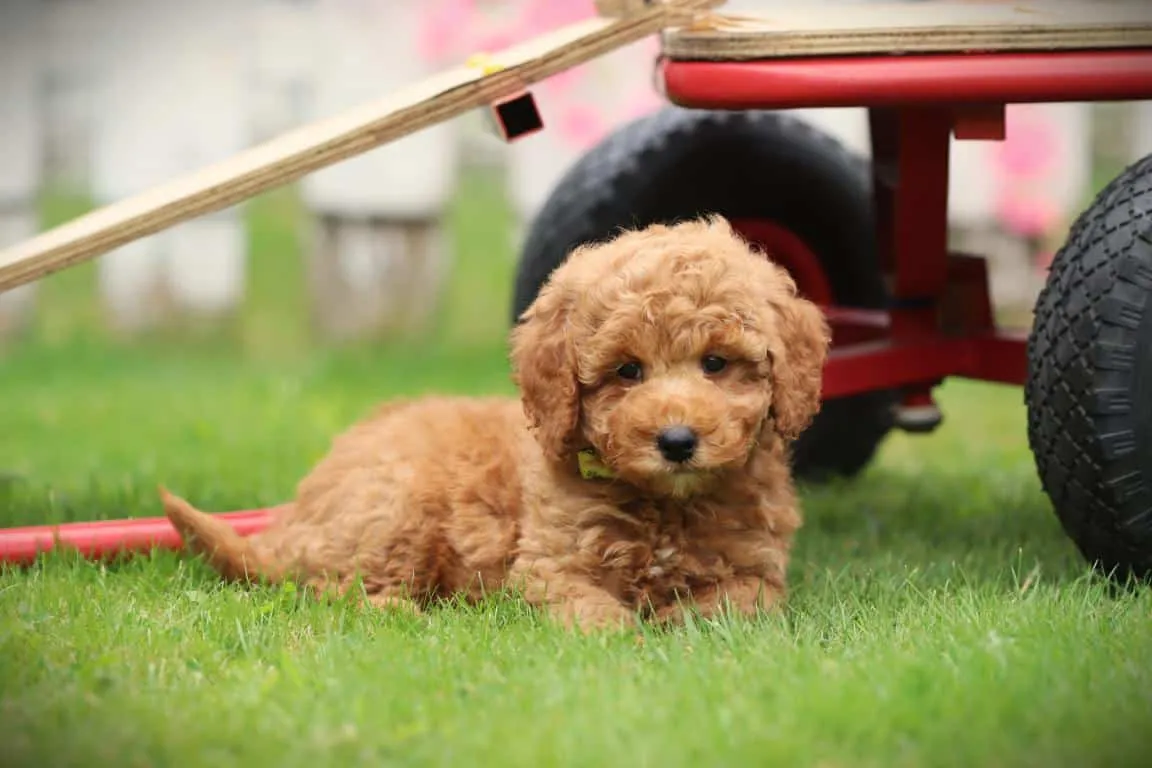 Miniature Poodle |
|---|---|---|---|
| Origin | A cross of the Maltese and the Miniature Poodle from the United States, bred as a companion dog since the 1990s | A purebred from Malta and Italy, a companion dog for three thousand years | A purebred from France, originally a water dog, known in Western Europe for four hundred years |
| Size | In between: ~28 cm and ~5 kg | The smallest of the three: ~22.5 cm and ~3.5 kg | The largest of the three: 28 to 32 cm and 5 to 7 kg. A Toy Poodle (24 to 28 cm, 3 to 5 kg) sits between the Maltese and the Maltipoo |
| Coat and grooming | Medium-length and curly. Brushing weekly and the groomer every 6 to 8 weeks | Long, white and silky. Combing weekly and the groomer once or twice a year | Dense and curled. Combing two to three times a week and the groomer every 2 to 3 months |
| Character and exercise | Happiest on a lap or playing fetch. A quarter of an hour of walking or indoor play a day is enough | Happiest in the middle of the family. A short daily walk is enough | Happiest when it gets to learn something. Wants proper walks and the chance to run off the lead |
All three are small companion dogs that like to be with their people and shed little, which makes them more suitable for many people with a dog allergy. They do best with older children who handle a small dog with care.

Personality and Temperament
The Maltipoo is gentle, affectionate and enthusiastic in roughly equal measure. It loves its own people and is happiest on a lap watching the room, and it will just as happily retrieve a ball in the garden.
It is alert and will bark at something strange, but there is no aggression in it: a Maltipoo socialised properly as a puppy gets on with almost anyone. It is also very trainable, because the Poodle side brings real intelligence, and it responds to reward and to the tone of a voice rather than to correction.
Health and Nutrition
A Maltipoo lives ~12 years. It is a cross, so it can inherit from either side: patellar luxation, eye conditions and heart conditions are the ones to ask about, and the parents’ test results are the answer to ask for.
Other conditions that occur in the parent breeds and are worth asking about are white shaker syndrome, portosystemic shunt and Legg-Calvé-Perthes disease.
A Maltipoo puts weight on easily if it is fed free-choice, and extra weight contributes to joint and heart trouble later. Feed measured meals set by size and activity, and ask your vet about the amount.
Some Maltipoos have sensitive skin or food allergies; itching, redness or digestive trouble is a reason to ask the vet about the diet.
Training and Exercise
Train it twice a day in short sessions, with reward and patience. Any form of force makes this dog shut down rather than comply, and a shut-down Maltipoo learns nothing.
Socialisation is the part that decides how easy the adult dog is. Take it out to meet people, other animals and ordinary noise from the first weeks, and use a puppy class if there is one nearby.
Exercise is modest. A quarter of an hour of walking or indoor play a day covers it, and because it wants to be near people that time doubles as the bond. House-training follows the same pattern: short, frequent, rewarded.
Take the puppy outside after every meal and nap, and consider a crate, which gives it a safe place and helps set a routine.
Choosing and caring for your Maltipoo

Is this the right breed for you?
A Maltipoo suits a household that wants a dog in the room and can brush a coat every week. It is small and light, so it is at its best with children old enough to be careful with it, and it wants company for most of the day.
Because it is easy to train and needs little exercise, a Maltipoo is also a good choice for first-time dog owners and for older people.
Essential daily care
Caring for a Maltipoo means committing to a daily routine that addresses their grooming, feeding, exercise and health needs.
For optimal daily care, focus on these key points:
Coat
Brush it through every week. The coat is medium-length and curls, so a week of skipped brushing is a week of knots to work out. Bathe it every three to four weeks with a mild dog shampoo, rinse it out well and dry the coat fully. Trim the hair around the eyes regularly.
Food
Measured meals rather than a full bowl left down. Small breeds put weight on easily, and the weight is what causes trouble later. Small breeds build up plaque and get gum disease more easily, so brush a Maltipoo’s teeth several times a week or give it dental chews.
Exercise
A quarter of an hour of walking or indoor play a day. It wants company more than distance.
Socialising
Take it out to meet people, dogs and noise from the first weeks. This is the single thing that decides how easy the adult dog is.
Regular veterinary visits are essential to monitor health, contributing to a longer lifespan for your Maltipoo. If you are considering getting a puppy, it is important to recognize a good breeder.
Recognised family business since 1990, now in its second generation
We are a recognized breeder of Maltipoo puppies in Belgium. Our ranch is in Putte (near Mechelen), between Brussels and Antwerp, about 40 kilometers from Brussels, 30 kilometers from Antwerp and 80 kilometers from Ghent. Our puppies are socialized on the ranch through contact with our caretakers and with other dogs and puppies. Woefkesranch has been a family business since 1990 and is now in its second generation. Every puppy is born in our own kennel under permanent supervision, with no imports and no middlemen. Families are guided before the purchase and are welcome back with their questions long afterwards.
Delivery to your door in and around Brussels, Cologne, Amsterdam, Rotterdam, Düsseldorf, Essen, The Hague…
If you have no transport, someone from Woefkesranch brings your puppy to your home, up to 250 km from Putte. Approximately: Hasselt 60 km, Charleroi 80 km, Mons 100 km, Liège 110 km, Bruges 120 km, Rotterdam 120 km, The Hague 150 km, Düsseldorf 180 km, Amsterdam 190 km, Cologne 190 km, Essen 220 km.
Frequently Asked Questions
How big does an adult Maltipoo get?
On average ~28 cm at the withers and ~5 kg. Because it is a cross, the exact size depends on which way the Maltese and Poodle genes fall, so treat that as typical rather than exact.
Do Maltipoos shed a lot?
Very little. The coat mixes the Maltese’s and the Poodle’s, and both shed less than most. No dog is hypoallergenic, but many households that react to other dogs manage with this one.
How much does a Maltipoo cost?
Between 2,000 and 3,000 euros at this kennel, and the figure moves with the breeder, the bloodline and the age of the puppy. A price well under that is worth asking questions about.
Are Maltipoos good family pets?
Yes, with one caveat. They are friendly and playful and get on with other pets, and they are small and light enough to be hurt by a young child who picks them up wrongly. Older children, or supervision.
How much grooming does a Maltipoo need?
Brushing every week, and a trim when the coat gets long enough to knot. The coat is medium-length and curls, so it holds what it catches.
How do I train and socialise a Maltipoo?
Twice a day, in short sessions, with reward rather than correction. Early exposure to people, animals and situations decides whether the adult dog is relaxed or reactive.
Come and see
Make an appointment
Do you want to visit our puppies? You can also make an appointment.
- 100% Belgian puppies
- Professional statutory warranty
- 24/7 service after sale
- Puppies have all necessary vaccines
- Puppies are dewormed multiple times
- Chipped and with Belgian/European passport
- DNA-tested parents