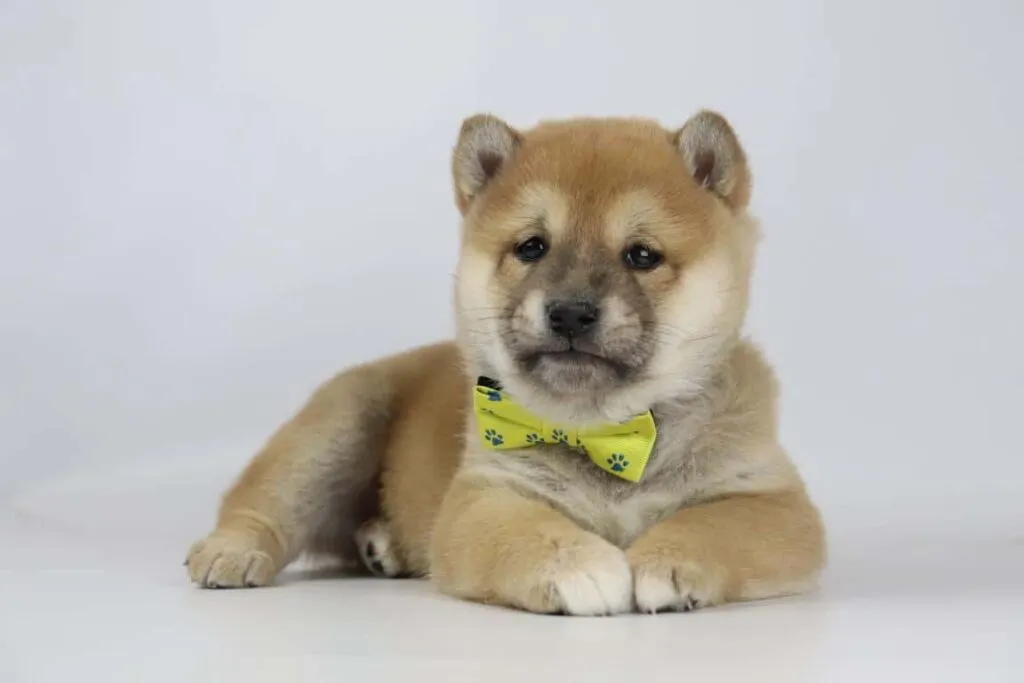
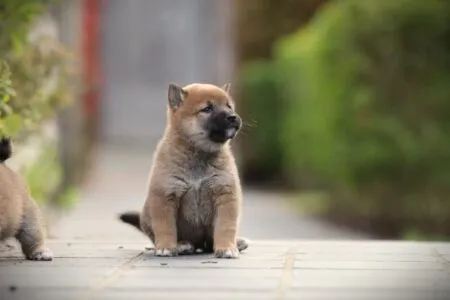
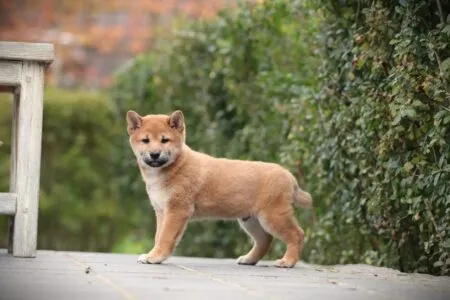
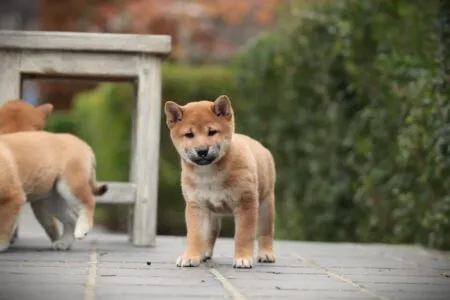
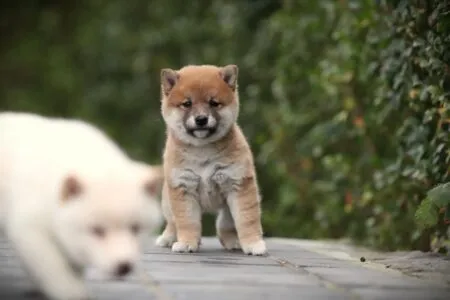
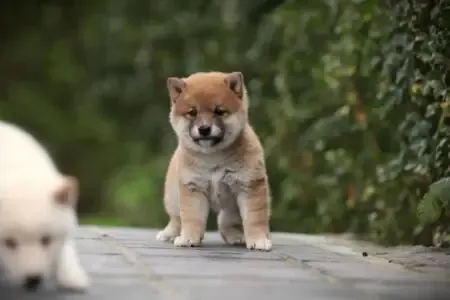
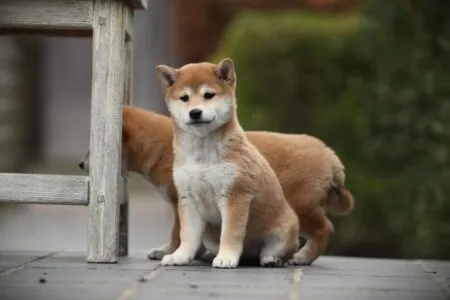
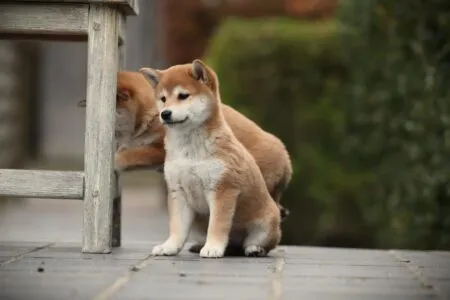
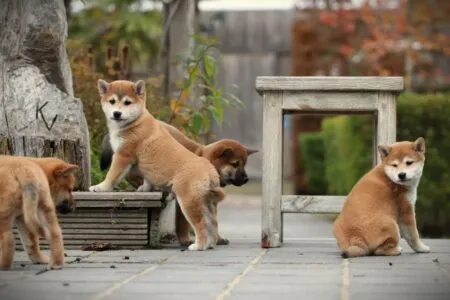
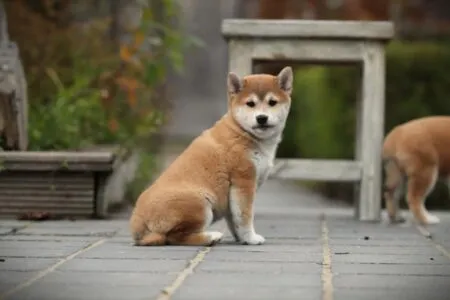
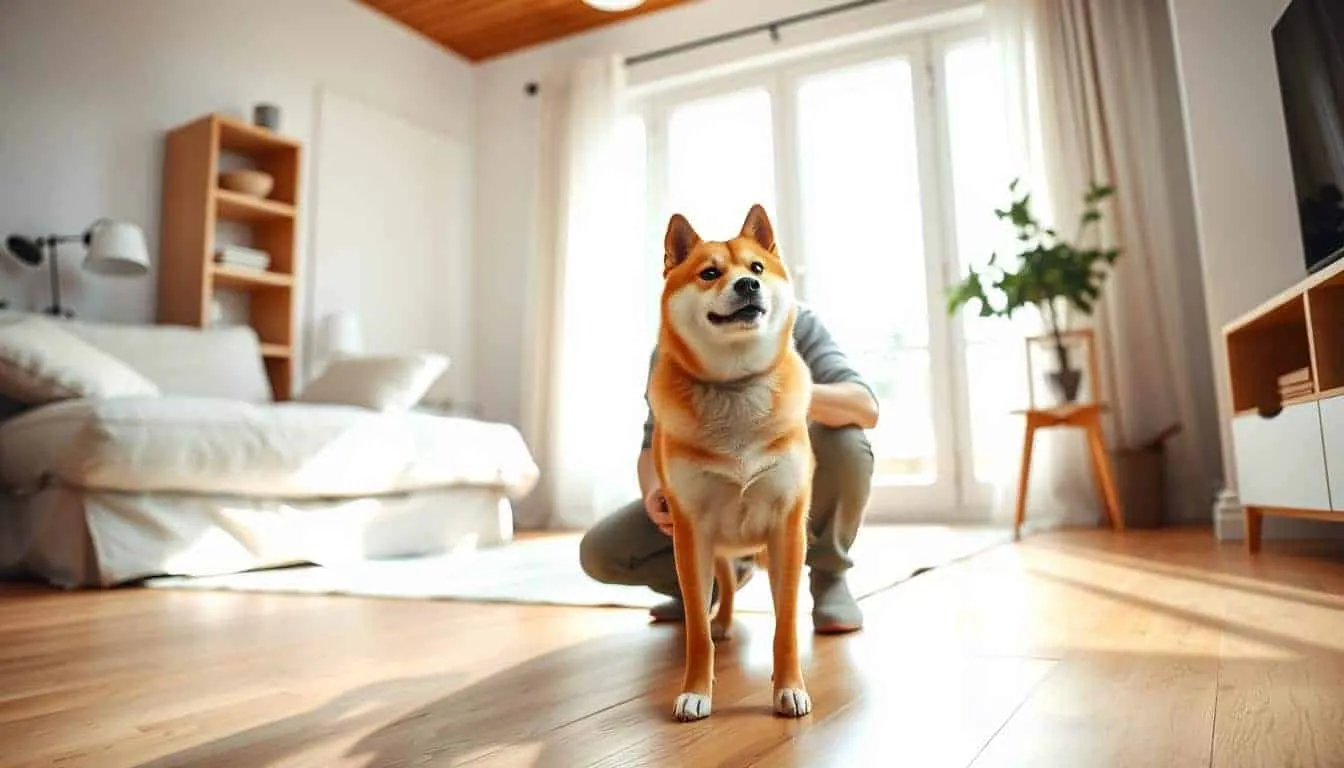
Do you think training a stubborn dog is impossible? These intelligent four-legged friends learn faster than you think if you know the right approach. Here areShiba inu training tips to get your loyal companion to listen, even with that typical Shiba Inu character.
Whether your dog is a puppy or a bit older: consistency and positive rewards form the foundation. Think of simple commands like “sit” or “stay”, supplemented with toys or treats.
An example? Always start with short sessions of 10 minutes. Shibas get bored quickly, but stay motivated by variety and rewards. Crate and house-training are also covered, as well as socialization tips for puppies.
Key points
- Positive rewards work better than punishment
- Short, daily sessions give the best results
- Suitable for both young and adult dogs
- Combine basic commands with crate and house-training
- Clicker training speeds up the learning process
- Socialization is crucial for puppies
Introduction to Shiba Inu training
This Japanese dog combines a sharp mind with an independent spirit. Anyone who trains a Shiba Inu soon discovers why this breed is so special and why traditional methods sometimes fail.
Characteristics and personality of the Shiba Inu
With their cat-like elegance and alertness, these dogs often seem to decide for themselves what they want. A walk? They may ignore your call if they follow an interesting scent trail. This is due to their strong prey drive and innate self-confidence.
Yet they are exceptionally loyal to their family. A puppy learns commands quickly but chooses deliberately when to obey. This makes training a strategic game in which you must pique their curiosity.
Challenges and opportunities in training
Stubbornness is not unwillingness but a challenge to work smarter. Use playful exercises with rewards, for example. This way your four-legged friend learns that cooperation pays off.
Young dogsbenefit from early socialization. Introduce them to different situations before their fourth month. This prevents fearful or stubborn behavior later.
Shiba Inu training tips for basic commands
Is your four-legged friend having trouble with basic commands? Don’t panic; with the right techniqueseven a stubborn dog will quickly learn what you expect.
The recall command as a foundation
This command saves lives and strengthens your bond. Start in a quiet room:
- Call enthusiastically “Max, come!”
- Tap your thigh while walking backwards
- Give a treat immediately when he responds
Practice this 5 times a day. Does it work? Move to the garden or a quiet park. Reward every successful attempt with praise like “Good boy!”
Teaching sit and lie down effectively
For “sit” hold a treat above his nose. Move it slowly backwards until his hips touch the ground. Then say “sit” and give the reward. After a week add the hand signal: palm up.
Make the step to “lie down” playful: get the dog to sit first. Move the treat slowly to the ground between his paws. As soon as he lies flat, say “lie down” and give two treats. This links the command to an extra reward.
Tip: Vary between verbal commands and hand signals. Shibas respond well to visual signals, especially when distracted outdoors. Practice a maximum of 8 minutes per session — after that they lose interest. Celebrate small successes, and you’ll see results quickly!
Crate, house-training and a place of his own
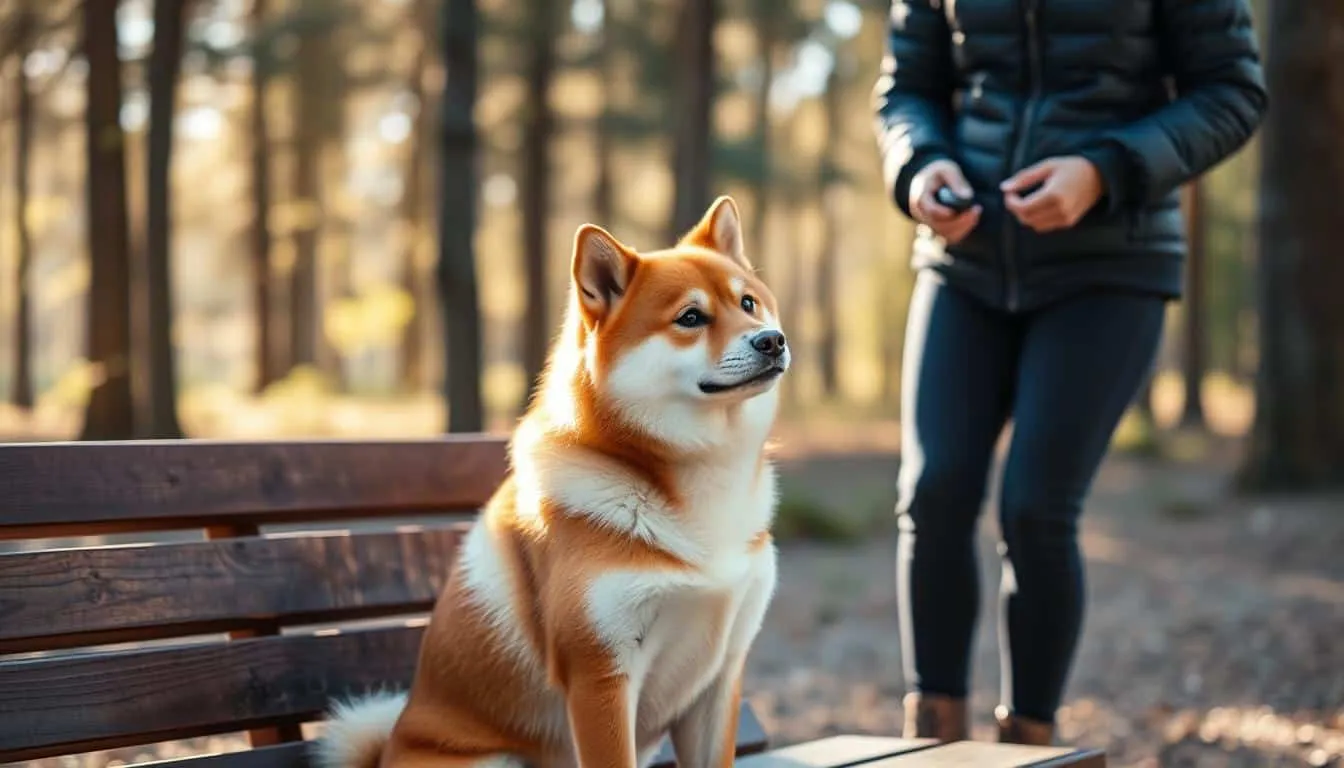
Creating quiet moments with the crate
A crate is not punishment but a safe den. Start with short periods: place a favorite toy and treats inside. Only close the door when the puppy goes in by itself. Build this step by step from 5 to 30 minutes.
- Place the crate in a quiet spot without drafts
- Use a soft blanket with familiar scents
- Combine crate time with feeding times
Consistent routines for house-training
Does your puppy have trouble holding it? Go outside every 2 hours, directly after sleeping and eating. Always choose the same spot in the garden. Reward immediately with a small treat and an enthusiastic voice.
For accidents indoors: ignore them and clean up without leaving odor traces. Punishing backfires — it only teaches fear of your reaction.
The crate as his own space
An ideal crate is big enough to stand and turn around, but not too spacious. Fill it with:
- A rolled-up dog bed
- A chew bone for relaxation
- Water bowl (outside training times)
Positive training methods and behavior modification
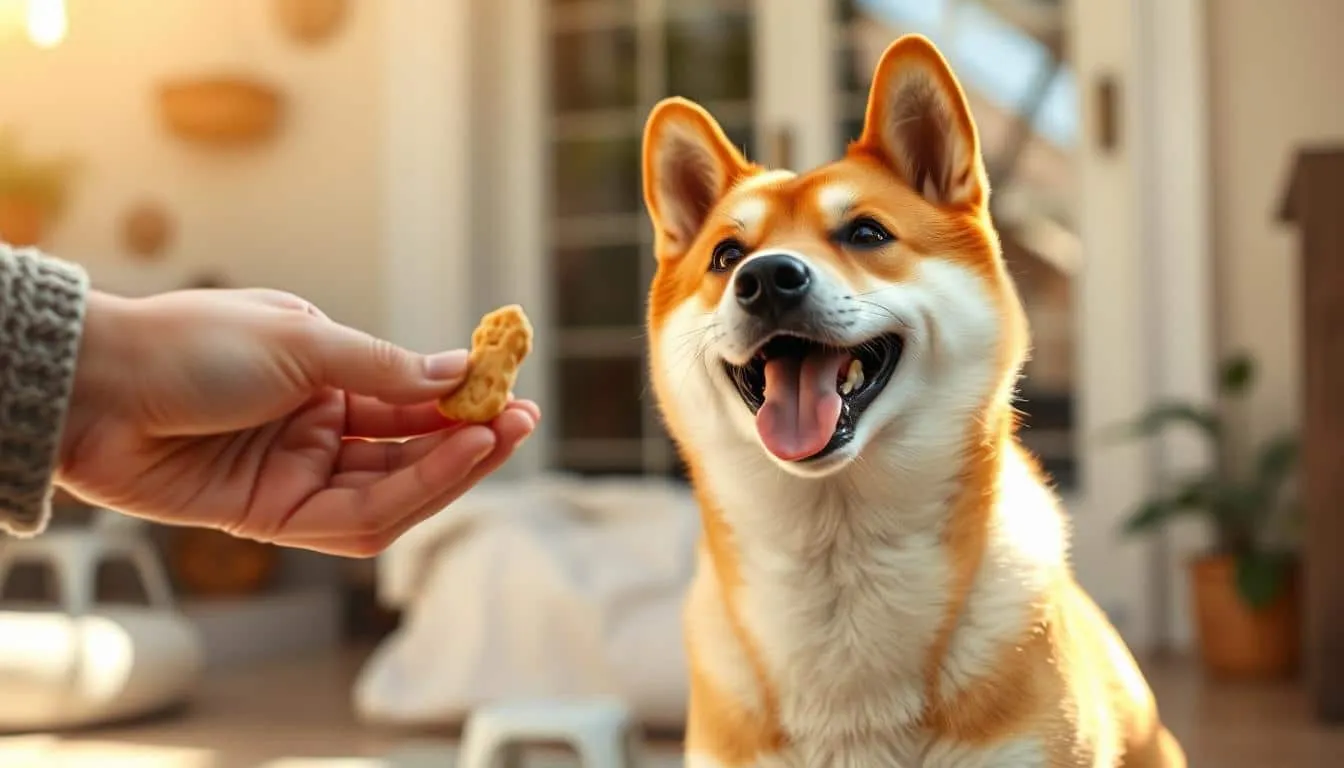
Why does a reward-based approach work better with this stubborn breed? The answer lies in their intelligence and pride. These dogs respond excellently to appreciation, but shut down with harsh corrections. A handful of small treats and genuine praise work like a magnet for good performance.
Building success with mini-wins
Always start with easy tasks. For example: give an immediate reward when your puppy makes eye contact. This way he learns that paying attention pays off. Use variety in treats — sometimes a kibble, other times a playful pat on the head.
For more complex commands like “drop it” a two-step method works:
- Offer a higher-value treat than the toy in his mouth
- Praise enthusiastically as soon as he releases, even for a second
Staying calm with stubborn behavior
Is your dog being stubborn? Then literally turn away and ignore the behavior. Wait until he calms down and then offer an alternative activity, such as apuzzle game with treats.
Always remain consistent: what is not allowed today is also forbidden tomorrow. This creates clarity without a power struggle.
FAQ
Why are Shiba Inus known as difficult to train?
This breed is very independent and has a strong will, which makes traditional training methods less effective. By using positive reinforcement and patience you better connect with their natural motivation.
How long does it take to housetrain a Shiba Inu?
A Shiba is usually quick to housetrain, but consistency is crucial. Use fixed routines, reward immediately after success and be prepared for setbacks during stressful periods. For more tips, check our guide onhousetraining a Shiba Inu puppy.
Does crate training work for this breed?
Yes, provided you introduce the crate as a positive space. Start with short periods, add familiar toys and never force — slow buildup prevents fear.
Can I teach a Shiba Inu to listen off-leash?
This requires intensive training due to their prey instinct. Start in enclosed spaces, use a long line for control and practice the recall command daily with high-value rewards.
How do I respond to stubborn behavior during training?
Stay calm and assertive without punishing. Use time-outs, redirect attention to alternative commands and reinforce desired behavior immediately with praise or food.
Are clicker training and treats effective for this breed?
Absolutely! Shibas respond well to clear signals such as a clicker. Vary the rewards though — alternating between food, play and petting keeps their interest.