West Highland White Terrier puppies & breed info
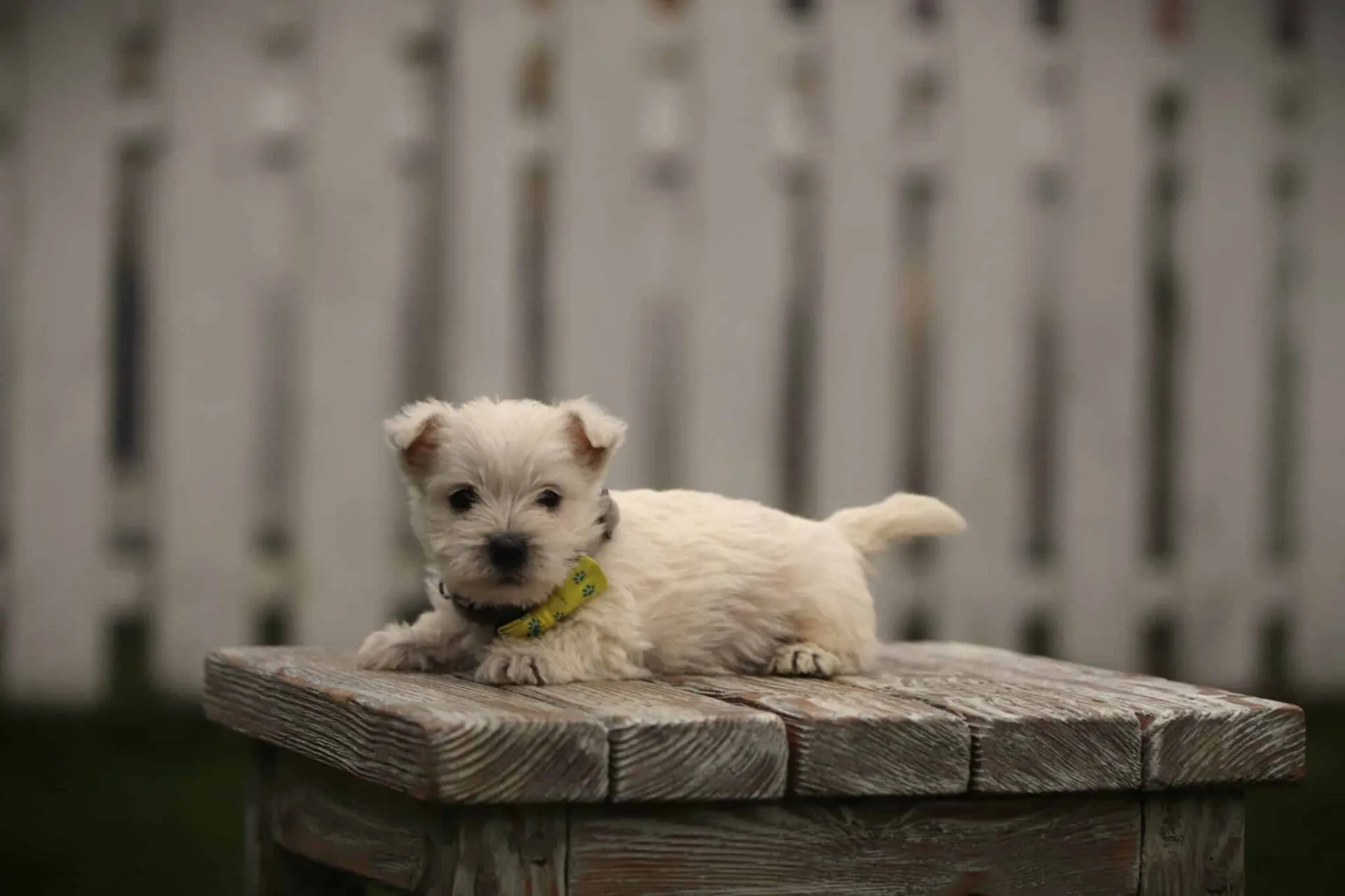
Available West Highland White Terrier puppies for sale
Click ‘Puppy alert’ to stay up to date on new West Highland White Terrier litters.
West Highland White Terrier price
How much does a West Highland White Terrier puppy cost? At Woefkesranch every puppy is born on the ranch and grows up with its mother, whom you always see when you visit. We have the parents tested for hereditary conditions, and every puppy leaves socialised, vaccinated, dewormed, microchipped, with a European passport and a 1-year guarantee. After the purchase we stay reachable by phone or WhatsApp, around the clock for urgent matters. That is why a West Highland White Terrier puppy costs €1,500 to €3,000.
Woefkesranch has been a recognised Belgian family kennel since 1990. Puppies that cost much less often come from the Eastern European supply, with inhumane practices and serious health problems. Some sellers offer these puppies as if they were bred in Belgium. Learn more about the risks in the Pano report (VRT, in Dutch), for which the team also filmed at our ranch: De Oost-Europese puppybusiness.
Our usual process
Buying a West Highland White Terrier puppy from Woefkesranch – Belgian breeder since 1990
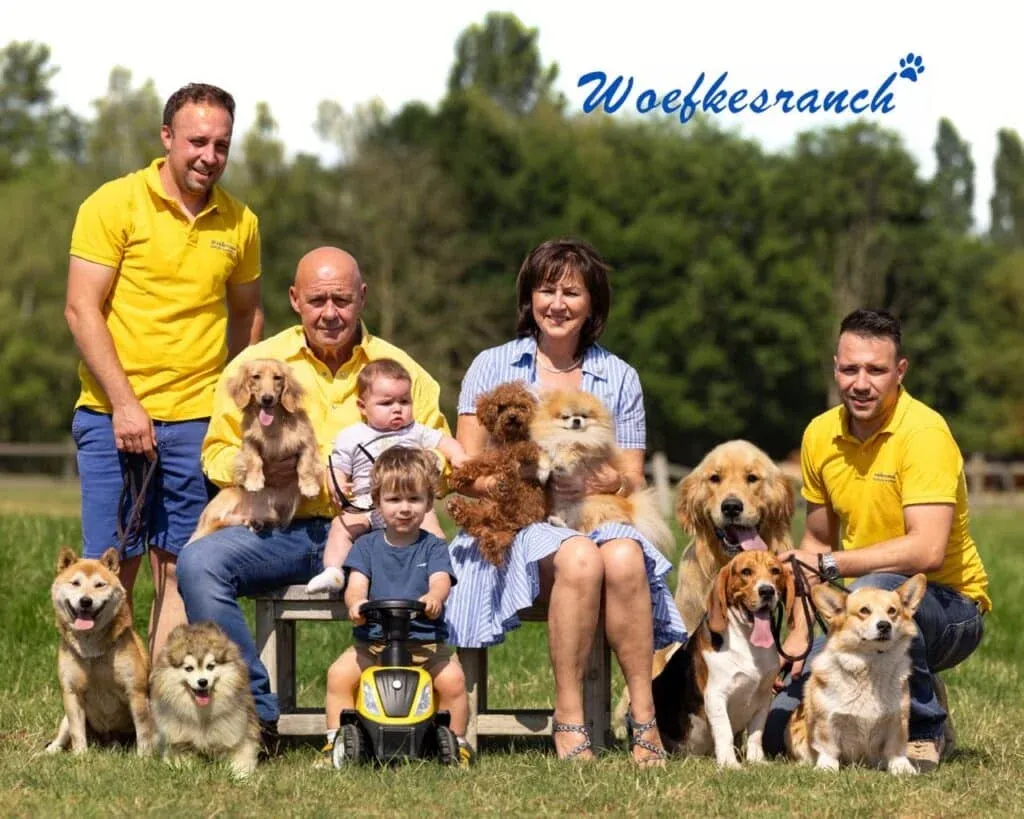
How it works:
- Meet the puppies (optional). Make an appointment to see the puppies with their mother, and to work out together which puppy suits your family.
- Reserve your puppy (optional). You can reserve online (24/7) or by phone on +32 (0)15 75 59 42. After reserving, you receive photos on request. If a puppy is already 8 weeks old, you can also take it home at your visit.
- Collection from us or home delivery. You can collect your puppy from 8 weeks old. It leaves microchipped, vaccinated, dewormed and with its European passport, and we register it in your name in DogID together. If you have no transport, someone from Woefkesranch brings your puppy to your home, within 250 km of our ranch in Putte (including the Netherlands, France, Luxembourg and Germany).
- 1-year guarantee. Every puppy has a 1-year guarantee on hereditary conditions and hidden congenital defects. We remind you about the first booster vaccination and deworming.
- Lifelong support. We remain available by phone or WhatsApp, also for training tips and health questions. For urgent matters we can be reached 24/7.

Written and reviewed by Marleen Dyck, co-founder of Woefkesranch

A confident little white terrier with plenty to say
Bright, playful and sure of itself. A Westie enjoys games that work the body and the mind at once, gets on well with children once they have been shown how to handle it, and has a stubborn streak that wants consistent, positive training.
What to expect
Confident
Alert, lively and sure of itself.
Playful
Enjoys games that work body and mind.
Independent
Fearless, and sometimes wilful with it.
Watchful
Protective without being aggressive.
Height*
~28 cm
Weight*
~8 kg
Life expectancy
~13 years
Origin
Scotland, 19th century
*The sizes above are based on the FCI breed standard. Woefkesranch aims for them, but the health of the dogs always comes first.
Breed summary
You will find the West Highland White Terrier is a small dog that is alert, lively and confident, bred in the Scottish highlands to hunt small game and keep vermin down. It is intelligent and playful and suits an active household, and the independence that made it good at the work is the same trait that asks for consistent training. The dense white double coat is weather-resistant and needs weekly attention, a trim every three months and the dead hair hand-stripped when it shows. Skin and digestion are its sensitive points. Read on to see what this breed asks of you.
In five points
- The Westie comes from the Scottish highlands, bred from white Cairn Terriers in Argyll to hunt small game and control vermin.
- The dense white double coat is weather-resistant and asks for weekly brushing, a trim every three months and hand-stripping when the dead hair shows.
- It needs about an hour of exercise a day, and ball games, digging and running all count towards it.
- A strong prey instinct comes with the breed, so socialise it early with cats and give that instinct play and scent work to go into.
- Skin allergies and a sensitive digestion are the points to watch, and a Westie whose skin and diet are managed reaches ~13 years.
History and Origin
The West Highland White Terrier, the Westie, has its roots in Great Britain, in the rough highlands of Scotland. These small, sturdy terriers were worked on small game and on vermin control, which asked for a dog bold enough to go in after its quarry and tough enough to do it in hard country.
The breed as it stands came out of the selection of white Cairn Terriers in Argyll and the breeding programmes that followed, where the white coat was chosen deliberately. Over the centuries the dog moved from hunter to companion, and that is where its standing in Britain and across Europe comes from.
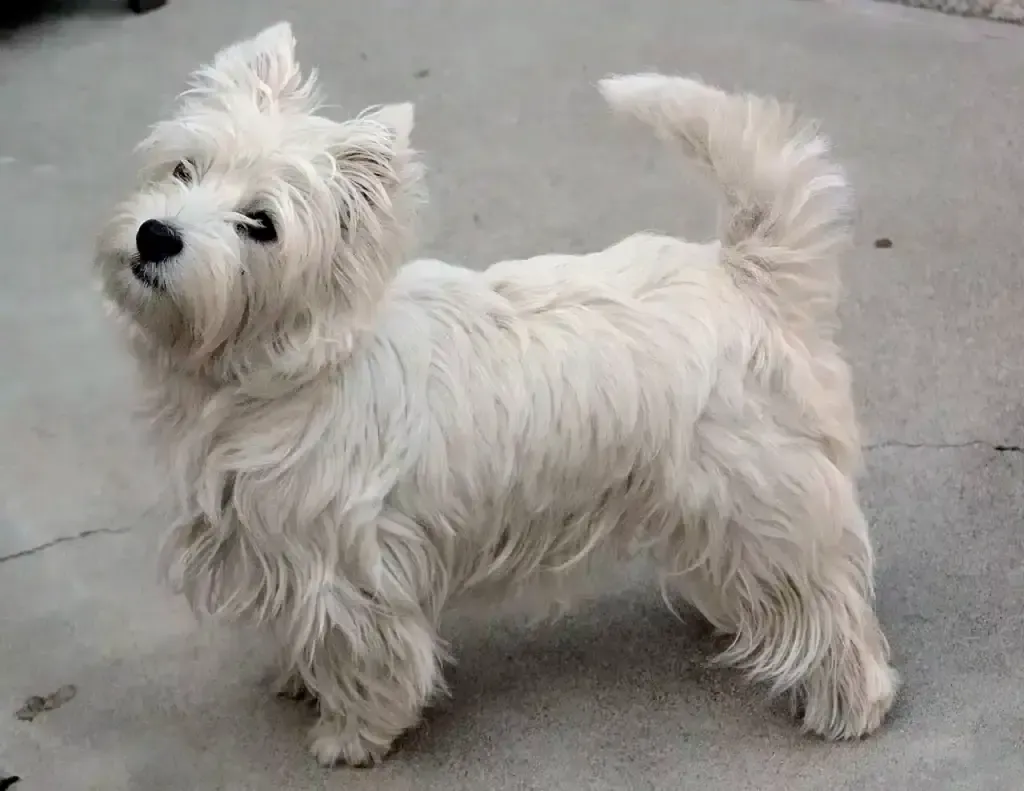
Physical characteristics and grooming of the white coat
The Westie is a small, sturdy terrier, around 28 cm at the shoulder and around 8 kg. The coat is a dense, weather-resistant double coat, white throughout, with a hard outer layer over a softer undercoat.
The coat needs regular attention. Brush it weekly to keep the mats and tangles out, trimming every three months, and the dead hair hand-stripped when it becomes visible, pulled out with the fingers in the direction of growth rather than cut. Washing it often is a mistake, because it softens the texture the coat is meant to have, and a puppy’s coat in particular suffers for it.
Heights from the FCI breed standard.
Comparison of the West Highland White Terrier and the Wire-haired Miniature Dachshund
| What differs |  West Highland White Terrier | 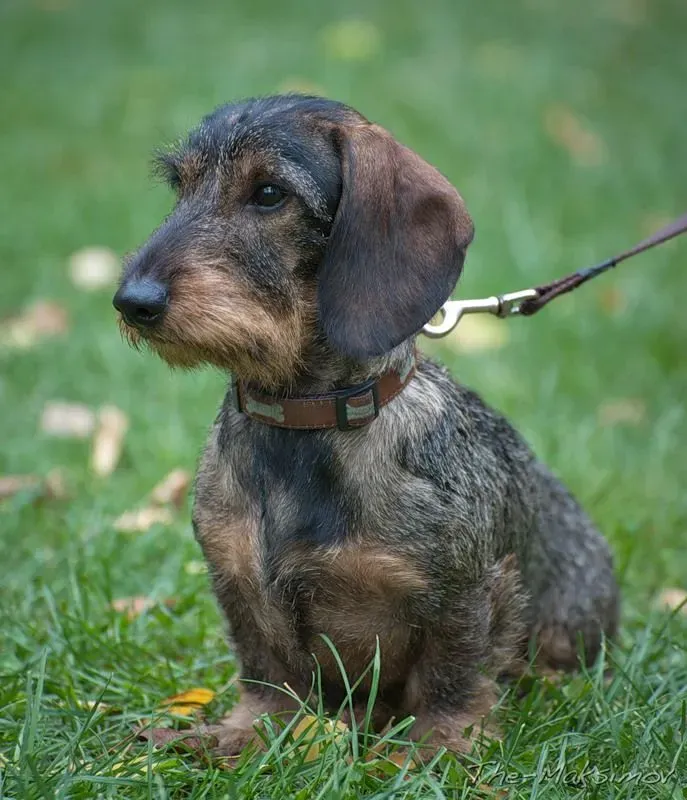 Wire-haired Miniature Dachshund |
|---|---|---|
| Origin | A terrier from the Scottish Highlands, bred to hunt small game and vermin | A hunting dog from Germany, bred to track badgers into their burrows. The wire coat comes from terriers crossed in |
| Build | Compact and sturdy: ~28 cm and ~8 kg | Long and low: ~28 cm and ~6.5 kg, with a body ~45 cm long |
| Coat and grooming | Dense, white and double, hard on the outside. Brushing weekly and the groomer every three months | Hard and close-lying, with a beard and eyebrows. Brushing weekly and the groomer twice a year |
Both are self-assured, independent dogs, bred to go after prey on their own, and both learn best with short, consistent and positive training. They suit an apartment, as long as they get a proper walk and play every day.
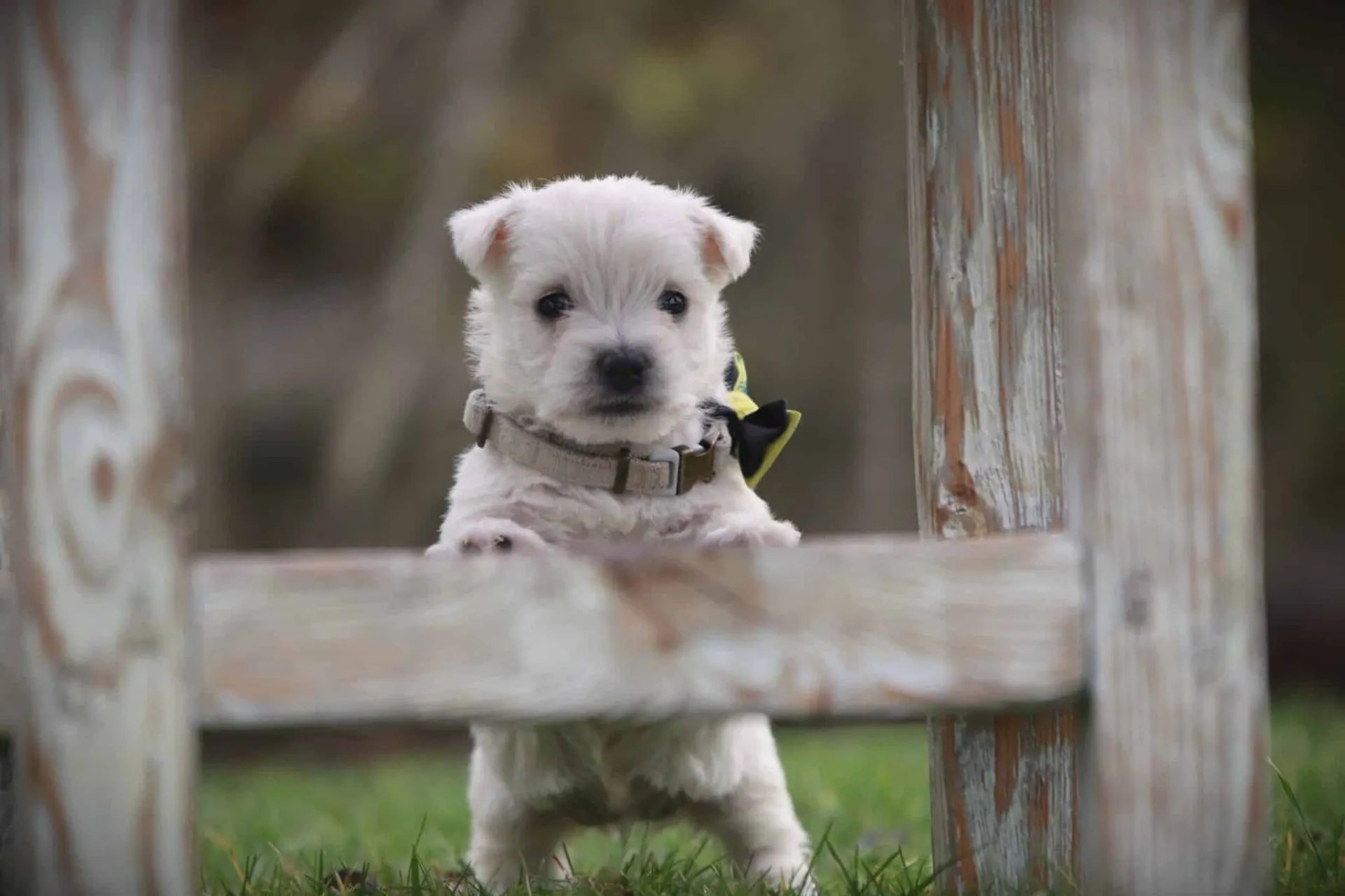
Personality and Temperament
Westies are intelligent and playful, good company for an active household, and keen on games that work the body and the mind at the same time. The stubborn streak comes with that intelligence, so training has to be consistent and positive.
They are independent and have a firm sense of their own worth, and they are alert, lively and confident with it. Fearless, sometimes wilful, which means the owner has to be the consistent one in the arrangement.
With children they are generally good, and with other pets they get on well where they have been socialised properly. Teach young children how to handle a dog safely, which prevents most of what goes wrong. A Westie can be protective without being aggressive, and that is a large part of what makes it a loyal member of a family.
Health and Nutrition
Westies are generally healthy dogs and the breed lives ~13 years. What they are prone to is skin allergies and problems with the knees, the liver and the urinary tract, so regular checks are worth keeping up: caught early, most of it is manageable.
The digestion is sensitive and food allergies are not unusual. A steady, balanced diet is the main defence, avoiding whatever sets off a reaction, and it is worth knowing which foods are toxic to a dog before the question comes up.
Routine care covers the rest. Brush the teeth regularly to prevent dental disease, keep the eyes and the ears clean so infections do not get started, and check for fleas and ticks after time outdoors.
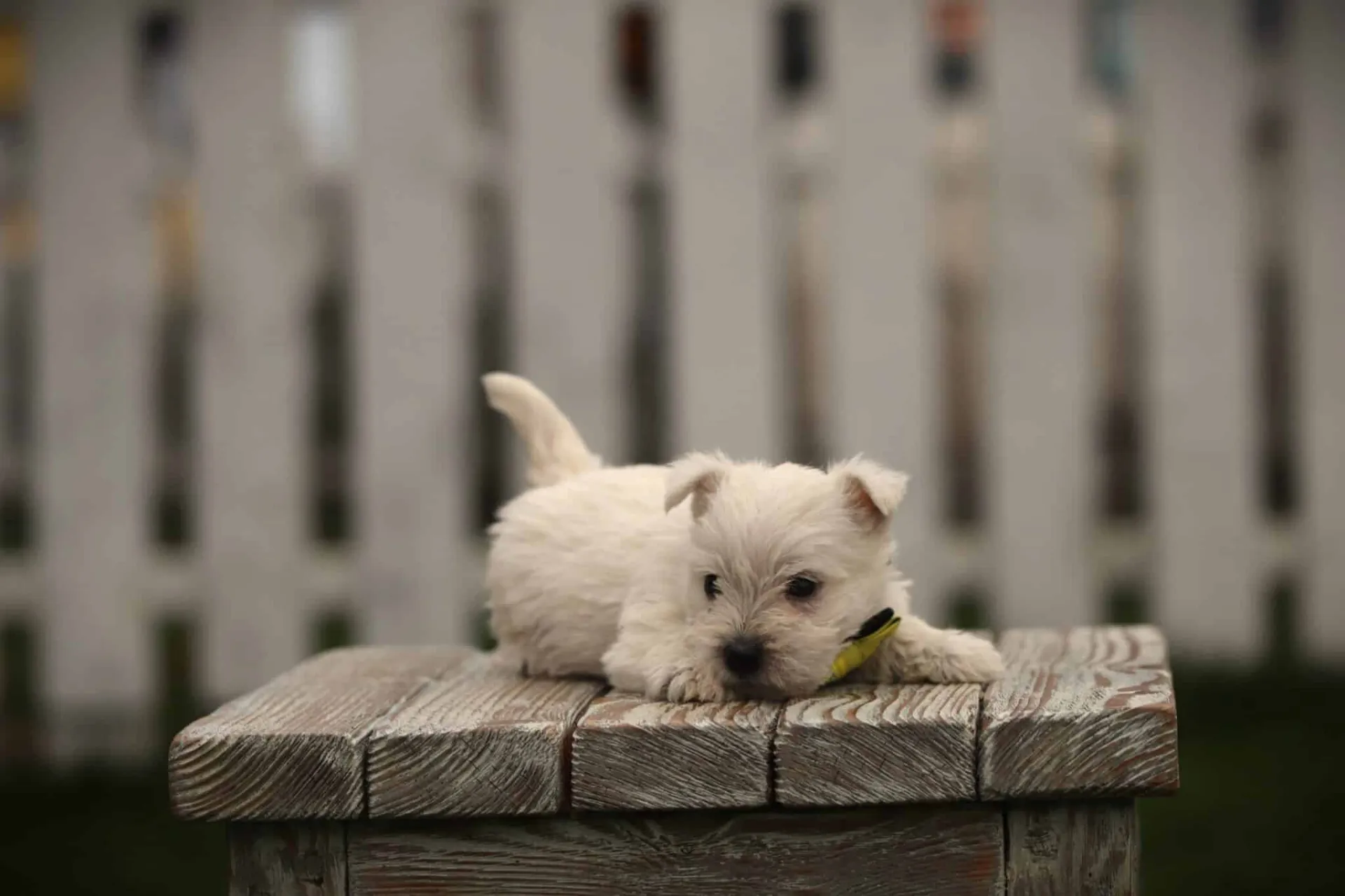
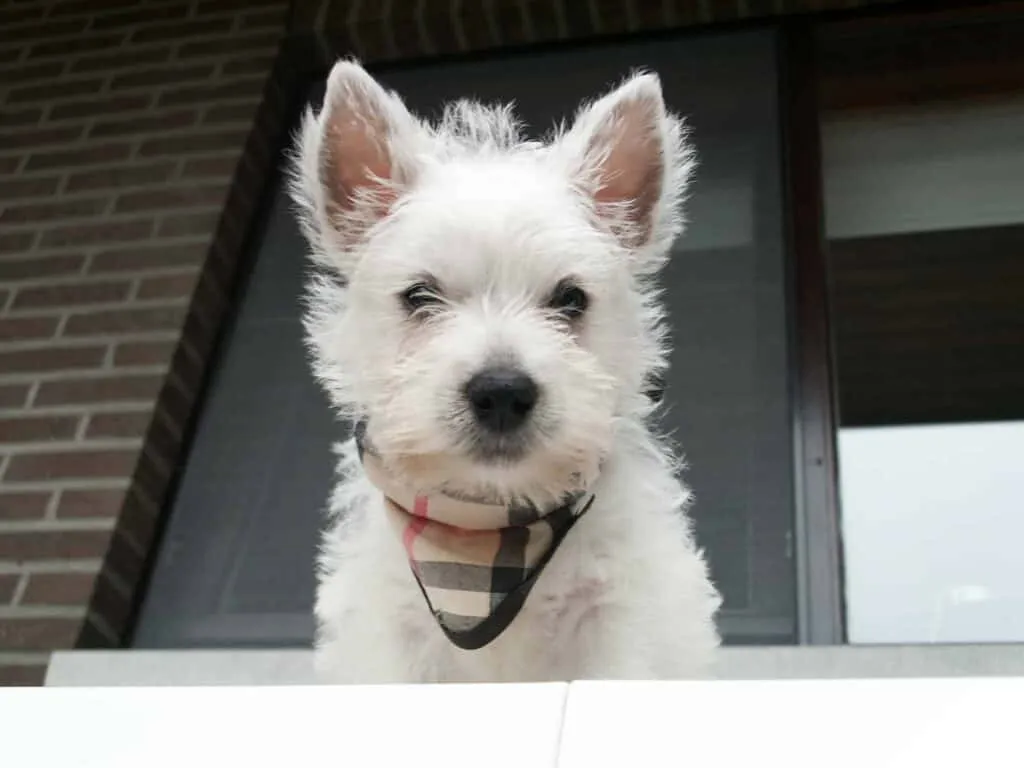
Training and Exercise
Start young and be consistent. A Westie is independent, and without clear boundaries from the first weeks the pushier behaviour sets in.
Positive reinforcement, with a fair correction where one is needed, works best. Sit, down, stand, stay, heel and come should all be in place. Stand is the useful one for this breed, because a dog that stands still can be groomed and examined calmly.
Socialisation runs alongside the training. A puppy class puts the dog in front of other dogs, people, noises and situations it needs to meet, and the prey drive has to be managed, so socialise early with cats and keep plenty of play and scent work going. Get the dog used to car rides, vet visits and the vacuum cleaner while it is young. Westies are prone to separation anxiety too, so teach being alone in small steps and leave the dog something to do.
Choosing and caring for your West Highland White Terrier
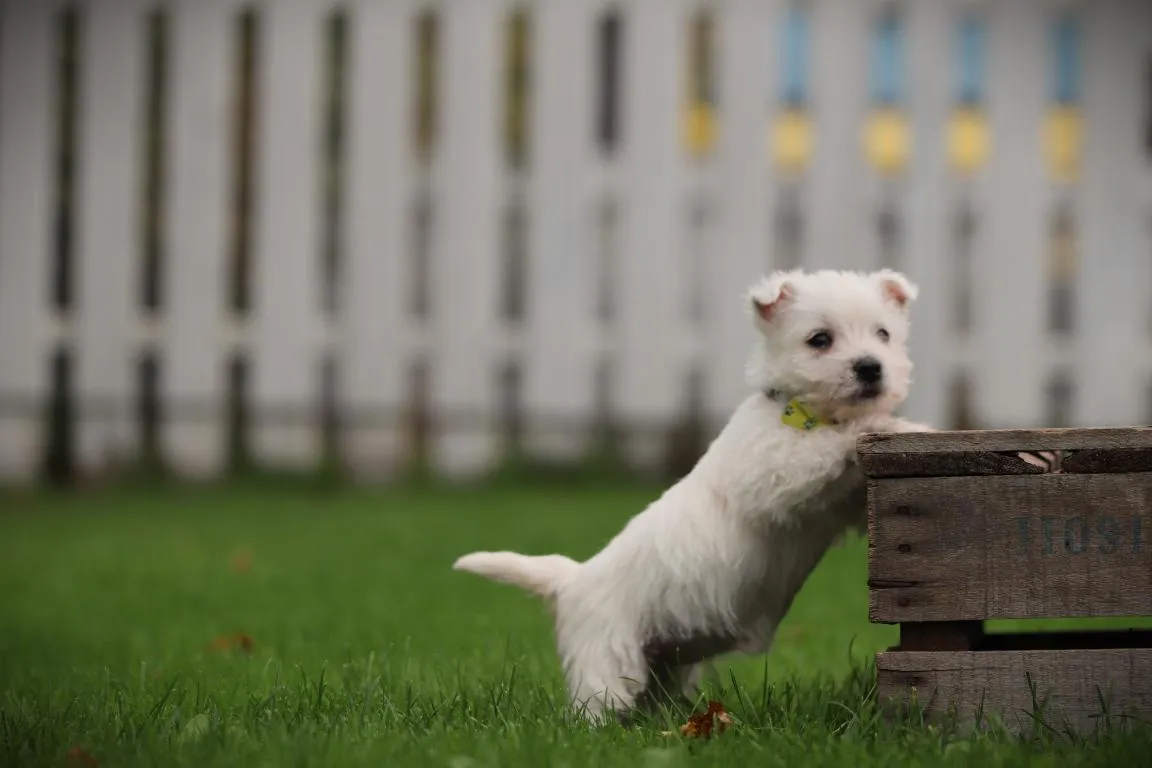
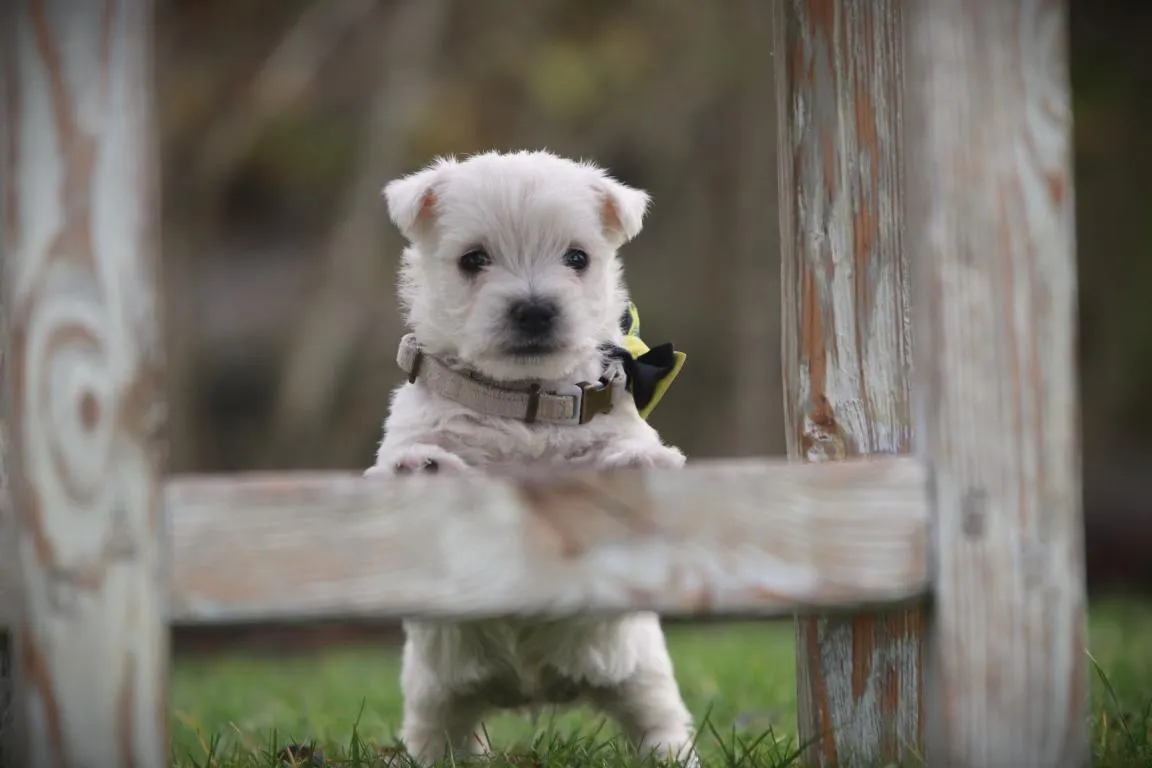
Choosing the right breed and breeder
A Westie suits a household that walks every day and is consistent indoors. It copes with apartment life as long as it gets its hour, and it does better where someone is around for much of the day. Look for a breeder who is open about the health history of the parent dogs and who socialises the puppies properly, because that is what decides how the dog settles into its new home.
Essential daily care
Caring for a West Highland White Terrier means committing to a daily routine that addresses their grooming, feeding, exercise and health needs.
For optimal daily care, focus on these key points:
Coat
Brush it weekly so it does not mat, trim it every three months, and hand-strip the dead hair by pulling it with your fingers in the direction it grows.
Bathing
Do not bathe a Westie often, because it softens the coat. If the dog gets dirty, let the coat dry first and then brush the dirt out.
Food
The digestion is sensitive and food allergies happen, so keep the diet steady and balanced and know which foods are toxic to a dog.
Teeth, eyes and ears
Brush the teeth regularly to keep dental disease away, keep the eyes and ears clean, and check for fleas and ticks after time outdoors.
Regular veterinary visits are essential to monitor health, contributing to a longer lifespan for your West Highland White Terrier. If you are considering getting a puppy, it is important to recognize a good breeder.
Recognised family business since 1990, now in its second generation
We are a recognized breeder of West Highland White Terrier puppies in Belgium. Our ranch is in Putte (near Mechelen), between Brussels and Antwerp, about 40 kilometers from Brussels, 30 kilometers from Antwerp and 80 kilometers from Ghent. Our puppies are socialized on the ranch through contact with our caretakers and with other dogs and puppies. Woefkesranch has been a family business since 1990 and is now in its second generation. Every puppy is born in our own kennel under permanent supervision, with no imports and no middlemen. Families are guided before the purchase and are welcome back with their questions long afterwards.
Delivery to your door in and around Brussels, Cologne, Amsterdam, Rotterdam, Düsseldorf, Essen, The Hague…
If you have no transport, someone from Woefkesranch brings your puppy to your home, up to 250 km from Putte. Approximately: Hasselt 60 km, Charleroi 80 km, Mons 100 km, Liège 110 km, Bruges 120 km, Rotterdam 120 km, The Hague 150 km, Düsseldorf 180 km, Amsterdam 190 km, Cologne 190 km, Essen 220 km.
Frequently Asked Questions
How much exercise does a West Highland White Terrier need?
About an hour a day. Walks, ball games, digging and running around all count, and the breed is lively enough to want all of it. Given that, it adapts to apartment living without trouble.
Can a Westie be left alone?
Yes, where it has been trained for it. Westies are low-energy indoors and adapt to different living situations, but the breed is prone to separation anxiety, so teach being alone in small steps and leave the dog something to occupy itself with.
How old does a West Highland White Terrier get?
The breed lives ~13 years, which is long for a dog. Skin, knees, liver and urinary tract are the things to keep an eye on along the way.
How much grooming does a Westie need?
Weekly brushing to keep the coat from matting, a trim every three months, and the dead hair hand-stripped when it shows. Do not bathe it often: washing softens a coat that is supposed to be hard, and if the dog is dirty it is better to let it dry and brush the dirt out.
Is a Westie good with children and other pets?
Generally good with children, and fine with other pets where it has been socialised. Teach young children how to handle a dog safely. The prey instinct is strong, so introduce cats early and keep the first meetings controlled.
What health problems does a West Highland White Terrier have?
Skin allergies are the common one, along with problems affecting the knees, the liver and the urinary tract. The digestion is sensitive and food allergies happen. Regular checks catch most of it early, which is when it is easiest to deal with.
Come and see
Make an appointment
Do you want to visit our puppies? You can also make an appointment.
- 100% Belgian puppies
- Professional statutory warranty
- 24/7 service after sale
- Puppies have all necessary vaccines
- Puppies are dewormed multiple times
- Chipped and with Belgian/European passport
- DNA-tested parents