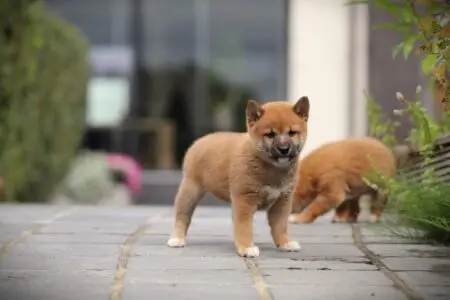
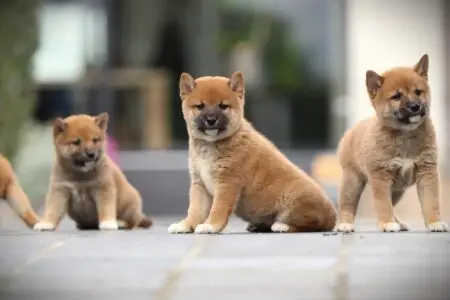
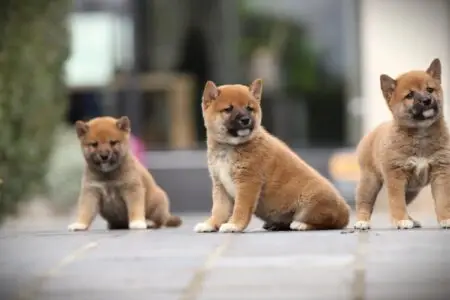
How do you properly care for this distinctive breed? The Shiba Inu stands out with its fox-like appearance and proud carriage. But behind that charismatic gaze lies a dog with specific needs. As one of the oldest Japanese breeds, it requires an approach that suits its unique character.
This small dog not only needs daily exercise but also mental stimulation. Did you know their double coat cleans itself? Still, regular checks are essential, especially during shedding season. A good understanding of their character traits prevents frustration for both owner and pet.
In this guide you’ll discover:
Key points
- Why coat care is only needed once a week
- How to handle their strong will during training
- The ideal exercise pace for this breed
- Nutrition tips for a shiny coat
- Why social upbringing is crucial
- Handy tools for the weekly grooming
Whether you just have a puppy or have been living together for years: these practical tips help strengthen the bond with your loyal companion. Let’s start with the basics!
Introduction and background of the Shiba Inu
Did you know this compact breed has existed for over 7,000 years? The Shiba Inu gets its name from the Japanese “shiba” (brushwood) and “inu” (dog). Originally these animals hunted game in dense undergrowth. Their characteristic red coat camouflaged perfectly among autumn leaves.
From hunter to pet
During WWII the breed almost died out. Thanks to breeding programs the population recovered. Today Japan protects them as cultural heritage. Typical features are their triangular ears and curled tail – traits that contribute to their unique look.
A worldwide favorite
Why do so many people in Belgium choose this dog? Their independent behavior and compact size suit urban environments well. Still, their hunting instinct remains, which requires consistent training.
| Feature | Japan | Belgium |
|---|---|---|
| Main role | Hunting dog | Companion animal |
| Average weight | 8-11 kg | 9-12 kg |
| Most popular coat color | Red | Black/tan |
The combination of proud behavior and a cuddly appearance makes them one of the most popular Asian dog breeds. In Belgium we increasingly see them in parks and dog schools, where their headstrong character offers both challenge and joy.
Basic principles of Shiba Inu care
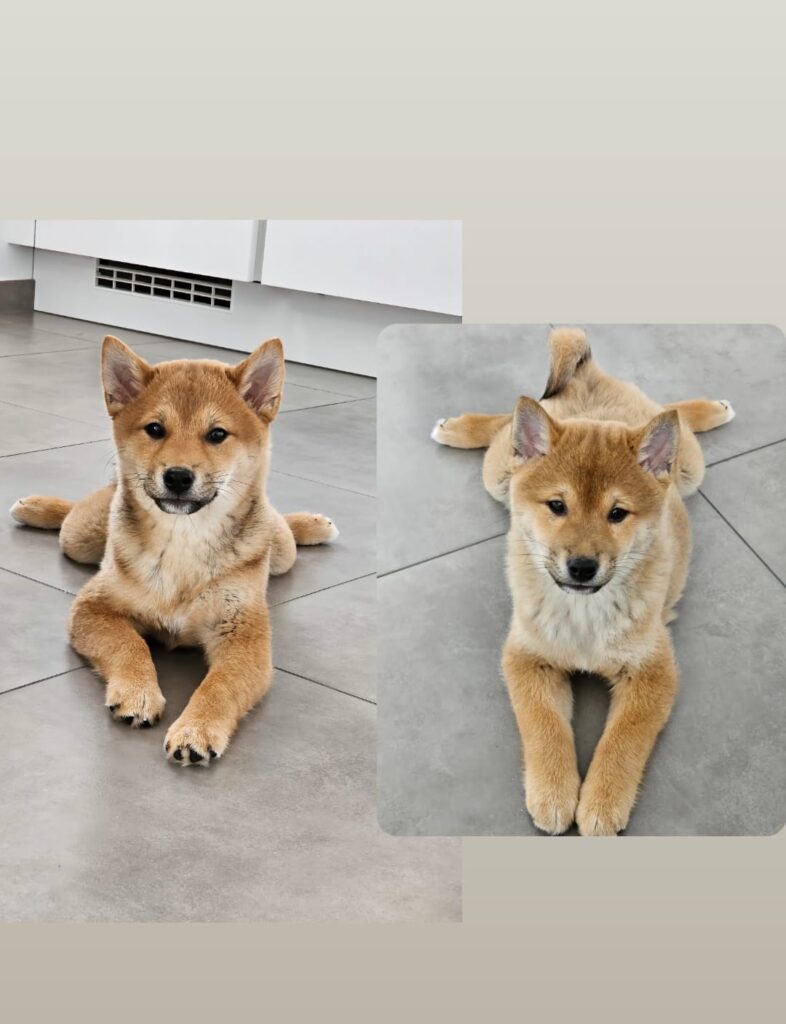
Good basic care is the key to a contented companion. This breed has a double coat that provides protection but also creates unique challenges. Did you know their hair structure repels dirt? This keeps the coat cleaner for longer, but regular maintenance remains essential.
Daily routines for optimal hygiene
Start with a quick check of the ears and paws after each walk. Use a damp cloth for the facial folds to prevent irritation. Brushing teeth with a dog toothpaste is recommended, but build this up slowly through training.
The secret to a healthy coat
During the shedding seasons (spring/autumn) your dog loses masses of undercoat. A slicker brush removes loose hairs effectively. Always work in the direction of hair growth to avoid irritating the skin. For the double coat it’s best to combine two brushes: one with wide teeth and a fine comb.
Pay attention to white markings on the muzzle and belly—these areas are more sensitive. Bathe your dog no more than 2-3 times a year with a mild shampoo. Afterwards dry thoroughly with a towel to prevent moisture remaining in the undercoat.
Training and socialization of your Shiba Inu

Raising a strong-willed companion requires a smart approach. These intelligent dogs learn quickly, but their proud traits call for creative solutions. Did you know reward-based training is about 40% faster with this breed?
Learn through fun
Positive reinforcement works like a magnet. Use small treats or enthusiastic praise when your dog does something right. Try a tug game with a rope – this combines exercise with obedience training. Always start at a young age with short sessions of 5 minutes.
Discover the world together
Socialization begins on the first walks. Introduce your pup from 12 weeks old to different sounds, people and other animals. Make every positive contact a celebration! With stubborn behavior distraction helps: suddenly throw a toy to redirect attention.
Involving children in training? Teach them to give commands using clear hand signals. This strengthens the bond between children and the dog, while the dog learns to listen to everyone. Be consistent – celebrate small victories every day!
Exercise and mental stimulation

A healthy dog is an active dog, but how much exercise does your companion really need? These energetic animals thrive on a mix of physical challenges and brain games. A day without activity can lead to boredom, and you’ll notice that quickly in their behavior!
Daily walks and playtime
Plan at least 45-60 minutes of active time daily. Divide this into two walks and short play moments. Try hiding a ball in the grass or use a rope for tug games. This trains both body and mind.
Dog sports and interactive training
Agility courses are perfect for agile dogs. Other options:
- Search games with favorite toys
- Puzzle feeders for mental challenge
- Obedience training with a reward system
| Age group | Recommended activity | Duration per day |
|---|---|---|
| Puppy (3-12 months) | Short play sessions + socialization walks | 20-30 minutes |
| Adult (1-8 years) | Agility training + interactive games | 60-90 minutes |
| Senior (8+ years) | Gentle walks + brain puzzles | 30-45 minutes |
Adapt to age and energy level
Pay close attention to your dog’s signals. A pup from Shiba Inu litters expected needs shorter playtimes than an adult. Older dogs enjoy gentle sniffing walks—perfect to keep their minds sharp without straining the body.
Vary activities weekly. Monday a scent search, Thursday a swim. This keeps every day exciting and challenging!
Health and hereditary conditions

A healthy dog starts with awareness of possible risks. Just like people, certain breeds have specific vulnerabilities. Did you know about 1 in 5 dogs over 7 years develop joint problems?
Signals never to ignore
Limping after resting? Scratching at the ears? These can be early signs of health problems. Pay extra attention to:
- Difficulty getting up or climbing stairs
- Excessive licking of joints
- Sudden changes in appetite
Hereditary challenges
Some conditions occur more frequently in this breed. Hip dysplasia is recognized by stiffness, while patellar luxation causes a “bouncy” hind leg. Progressive retinal atrophy (PRA) only becomes noticeable late – annual eye checks by veterinarians are crucial.
A conscious approach extends lifespan. On average these dogs live 12-15 years. Combine regular exercise with proper nutrition to optimally support their health.
| Condition | Early symptoms | Prevention |
|---|---|---|
| Hip dysplasia | Difficulty jumping | Weight management |
| Patellar luxation | Occasional limping | Muscle-strengthening exercises |
| PRA | Night blindness | Genetic screening |
Adjust care by life stage. Puppies have different needs than seniors. A semi-annual visit to the vet helps detect health issues early. Prevention is always better than cure!
Appearance and physical characteristics
 stands proudly in a sun-dappled meadow. The dog’s thick, fluffy fur in shades of red and cream glistens in the warm light, highlighting its muscular build and alert, expressive eyes. In the middle ground, vibrant wildflowers sway gently in a soft breeze, while the background features rolling hills and a cloudless azure sky. The scene radiates a sense of tranquility and natural beauty, perfectly capturing the shiba inu’s regal and resilient character. Captured with a wide-angle lens and natural lighting, this image showcases the breed’s unique physical traits and inherent elegance.”)
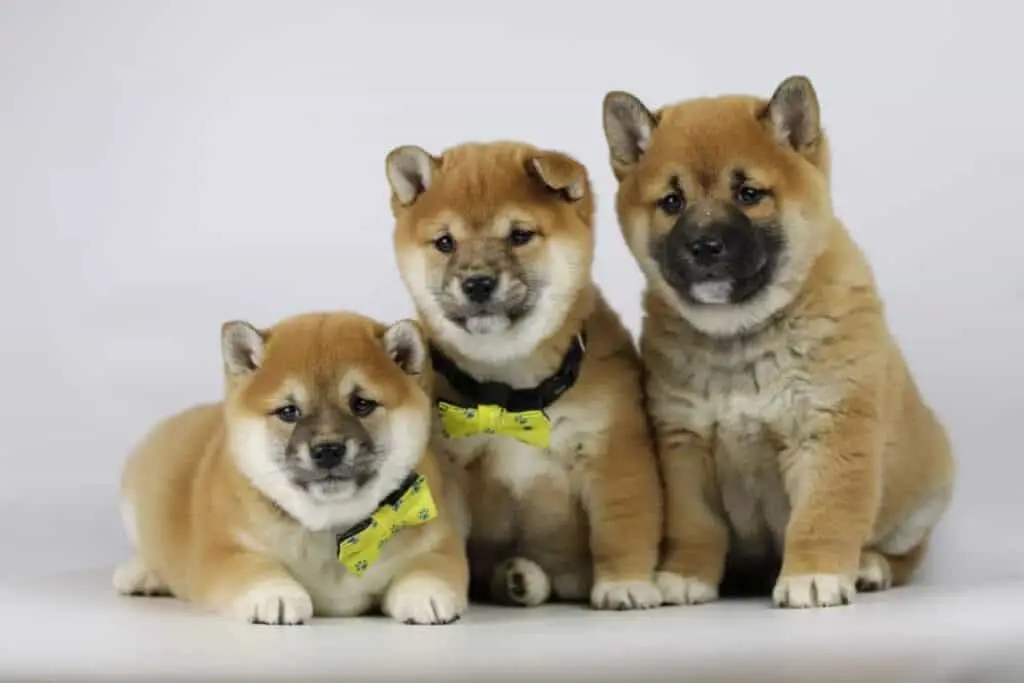
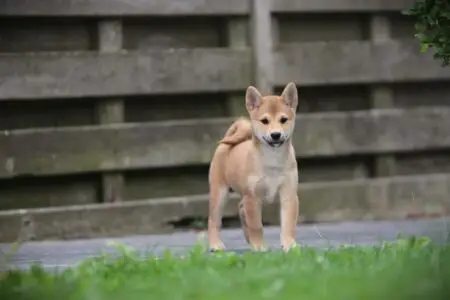
Have you ever seen a dog that looks like a fox? This breed immediately stands out for its distinctive appearance. With a height at the withers of 34-42 cm and weight between 7-11 kg it fits perfectly into Belgian family homes. Its rectangular build combines strength with elegance – ideal for active walks in the Ardennes.
Compact powerhouse
The size of this four-legged friend is comparable to a medium shepherd dog, but more compact. Note these details:
- Splayed toes for stable terrain running
- Thick neck fold that protects against cold weather
- Almond-shaped eyes with a keen look
A coat to love
The famous double coat consists of two layers. A soft undercoat retains heat, while stiff guard hairs repel rain. Popular colors are red (70% of the dogs), black/tan and cream with white accents (urajiro).
| Feature | Shiba Inu | Comparable breed |
|---|---|---|
| Tail shape | Strongly curled | Straight tail (Akita) |
| Ear structure | Triangular, erect | Drooping (Shiba mix) |
| Coat maintenance | Once a week brushing | Daily (Husky) |
Why is the tail so characteristically curled? This hereditary trait once protected against the cold while sleeping. For a shiny coat a rubber brush works best—especially during the spring moult. That way your companion always stays photogenic!
History and character of the Shiba Inu
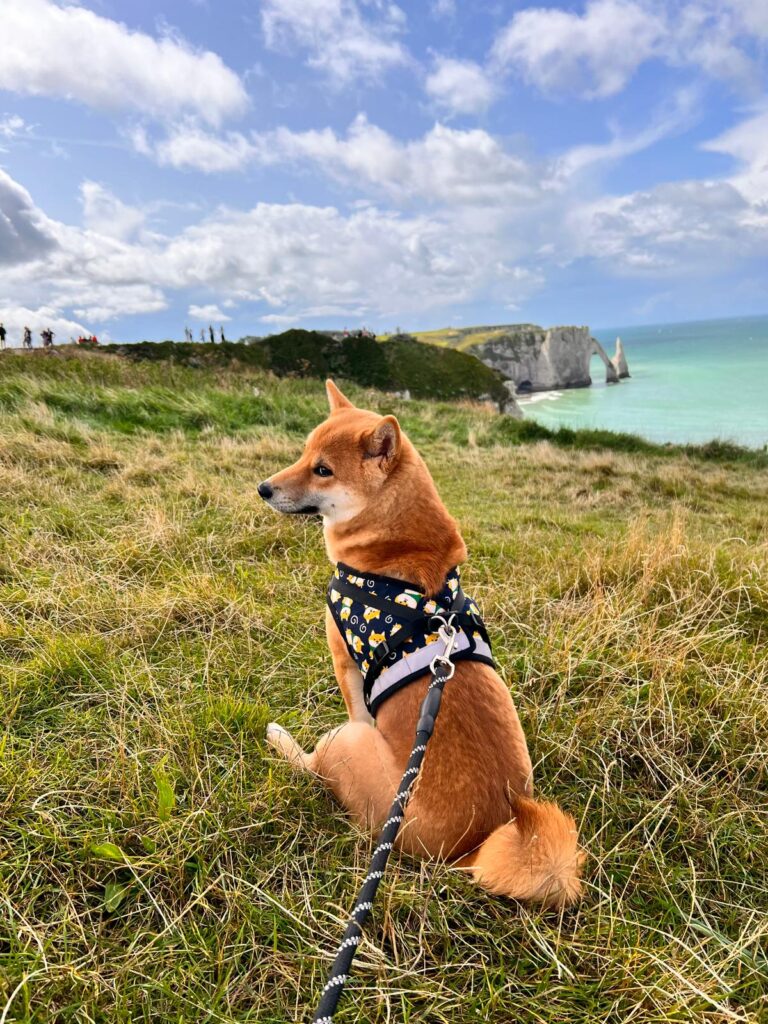
For thousands of years this loyal companion has played a role in Japanese culture. Its story begins among mountainous landscapes, where it hunted pheasants and rabbits as a hunting dog. You can still see that heritage today in its sharp reflexes and lively gaze.
From mountains to living rooms
Originally Japanese farmers bred these dogs for hunting small game. Their compact size and thick coat made them ideal for rough terrain. During the Second World War the breed nearly went extinct; only three bloodlines survived. Thanks to targeted breeding programs the population miraculously recovered.
A character like no other
What makes this breed so unique? Their character combines stubbornness with unexpected affectionate moments. They are alert but not overly barky—perfect for city dwellers. Note these typical traits:
| Trait | Advantage | Challenge |
|---|---|---|
| Independence | Self-reliant | Less quickly obedient |
| Hunting instinct | Alert to danger | Pulls on the leash |
| Loyalty | Strong bond with family | Reserved with strangers |
Daily exercise and predictable routines help channel their natural behavior. Did you know they belong to the oldest Japanese dog breeds? That rich history explains why they behave differently from modern companion dogs.
Today they are loved worldwide for their cat-like elegance and playful nature. Whether you live in Brussels or in the countryside, this companion adapts—provided you respect its unique background.
Conclusion
You now have the tools to build an unforgettable bond with your loyal companion. By paying weekly attention to the coat, combining daily exercise with playful training and prioritizing health, you create an ideal living environment. Did you know small investments of time yield great results?
Whether it’s choosing the right brush or planning a scent search: deliberate choices strengthen your teamwork. Remember those moments when your dog wagged its tail after a successful exercise? That’s the magic of consistency and fun!
For families with children this breed offers an exciting adventure. Their alertness and playfulness make them perfect playmates provided you understand their unique character traits. Combine clarity with patience, and you will be rewarded with years of loyalty.
Every walk, every grooming session is a chance to deepen your bond. Start today with one tip from this guide and share your experiences with other enthusiasts. After all, a happy dog with a shiny coat and bright eyes makes everyone happy!
FAQ
What is the origin of the Shiba Inu?
This breed originally comes from Japan, where it was bred as a hunting dog for small game. After nearly going extinct during the Second World War, the breed was restored and grew to become one of the most popular dogs in its homeland.
Why are these dogs so popular in Belgium?
Their compact size, distinctive appearance and headstrong nature appeal to many people. They adapt well to both urban environments and rural areas, provided they get enough exercise.
How often should I brush my dog?
Once a week brushing is usually sufficient. During the shedding season (twice a year) they shed heavily; daily combing helps keep loose hairs under control.
Are Shibas difficult to train because of their independent character?
They are indeed known for their willfulness, but with positive reinforcement and short, varied training sessions you achieve the best results. Reward desired behavior immediately with treats or playtime.
How much exercise does an adult need?
At least one hour of active exercise daily, such as brisk walks or interactive games. Combine this with mental challenges to prevent boredom.
Are there hereditary health issues I should watch for?
Yes, some lines are prone to hip dysplasia, allergies or eye problems. Regular veterinary checks and choosing a good breeder help reduce risks.
Which coat colors are officially recognized?
The most common are red, sesame (red with black tips) and black with tan markings. White specimens are sometimes born but are not allowed in show rings.
Can this breed get along well with children?
If socialized early and with clear boundaries, they can be excellent family dogs. Teach children to treat the dog respectfully, as Shibas do not tolerate rough play.
How do I adapt care for a senior?
Gradually reduce exercise intensity, increase veterinary checks and consider specialized food. Pay extra attention to joint health and dental hygiene.
Do they shed all year round?
No, most shedding happens during the spring and autumn moults. Outside these periods they lose little hair thanks to their dense undercoat.