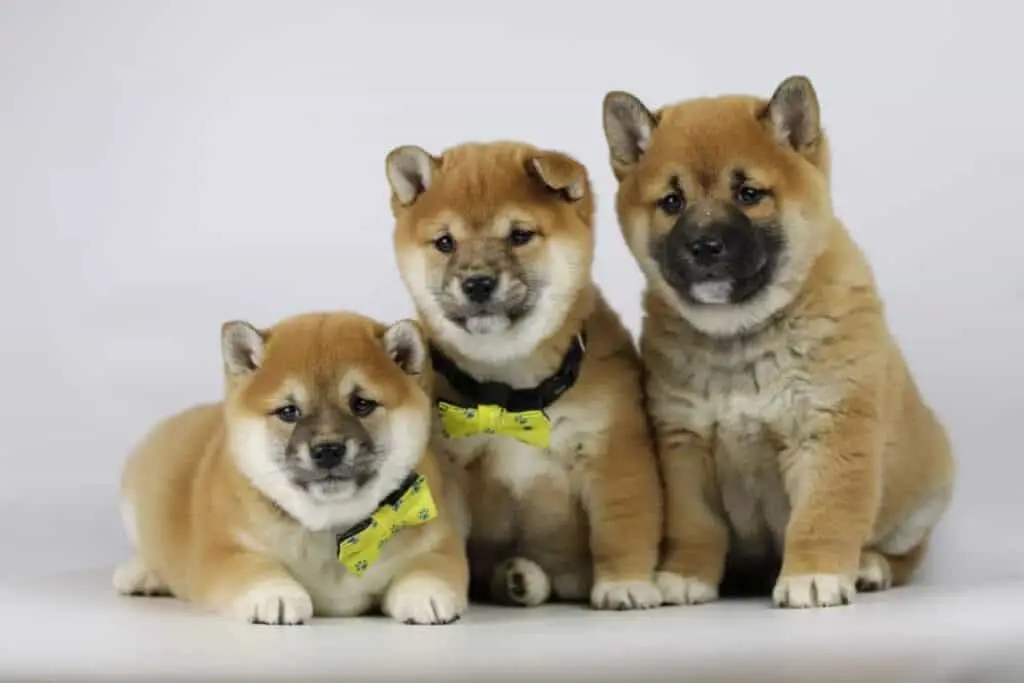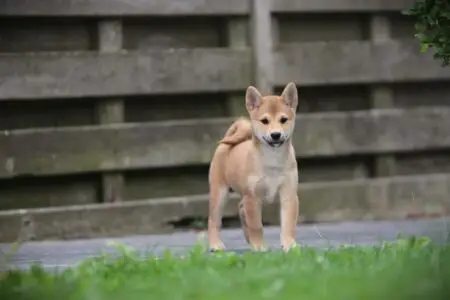
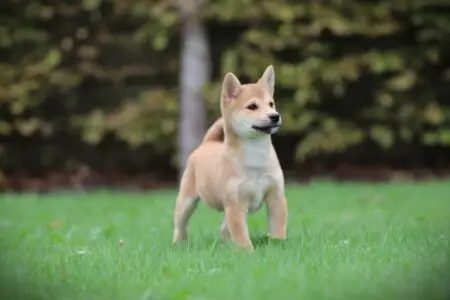
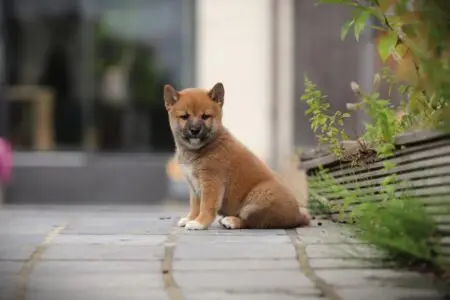
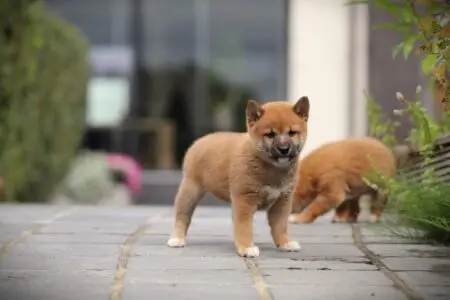
The Shiba Inu is a fascinating breed with origins that date back to ancient Japan, where it was bred for hunting because of its agility and versatility. Physically it stands 34–42 cm tall and weighs between 7–11 kg, with a distinctive double coat that requires regular grooming.
They display intelligence and independence, which calls for personalized training with positive reinforcement and appropriate punishment/correction. Ideal living conditions include a secure garden and sufficient exercise to meet their active nature. By addressing these aspects, you will discover deeper insights into the captivating world of the Shiba Inu.
Key insights
- Shiba Inus date back to ancient Japan and are recognized as a Japanese National Monument.
- They have a muscular body and a double coat.
- Known for their independent and loyal temperament, Shiba Inus need proper socialization with strangers and other pets.
- Training requires patience, consistency, positive reinforcement and punishment because of their strong will and intelligence.
- Regular grooming, exercise and mental stimulation are essential to maintain a Shiba Inu’s physical and mental well-being.
Origin and History
When tracing the origin of the Shiba Inu, you find its roots deeply embedded in ancient Japanese history. As early as 7000 BCE, ancestors of this breed accompanied the first migrants to Japan.
Archaeological finds reveal their presence among the Jomon people, with remains indicating dogs similar in size to today’s Shibas. These early dogs interbred with newcomers around 300 BCE, creating a unique lineage that developed into the Shiba Inu we know today.
Their cultural significance is profound, as they embodied the spirit of old hunting traditions in Japan. The Shiba Inu was originally bred for its skill hunting both small and large game.
Their small size and agility made them ideal for flushing out birds and even tackling wild boar in Japan’s mountainous regions. These dogs played a crucial role in ancient hunting practices, demonstrating versatility and adaptability in various tasks.
However, the breed suffered a severe decline due to crossbreeding and the consequences of World War II, including bombings and epidemics. Since then the Shiba Inu has gained considerable popularity and is now considered one of the most popular companion dogs in Japan.
Fortunately, conservation efforts, led by organizations such as the Nihon Ken Hozonkai, have ensured the survival and recognition of Shiba Inus as a Japanese National Monument.
Physical Characteristics

The physical features of a Shiba Inu reveal a combination of agility and strength within its compact frame. They are typically 34–42 cm (13–16 inches) tall and weigh between 7–11 kg (15–24 lbs), with males slightly heavier.
Despite their small stature, Shiba Inus have a muscular build. The ideal frame is rectangular, with the back length slightly longer than the leg height, producing a balanced and agile appearance.
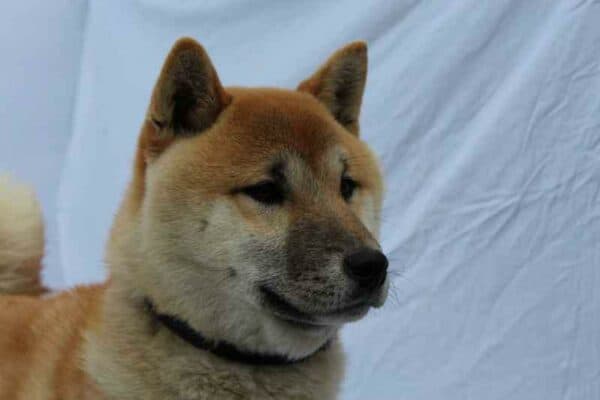
The torso is oval in cross-section, broader at the chest and tapering toward the tucked-up belly. Their coat has a double layer: the outer coat is stiff and straight, while the undercoat is soft and dense.
You will notice that they shed constantly, with peaks in spring and autumn. Coat colors vary and include red, black and tan, sesame and cream.
The distinctive Urajiro pattern shows white or cream-colored markings on the cheeks, neck, chest, belly and tail. Shiba Inus are known for their independent nature, reflected in their confident posture and assured gait.
The head of the Shiba Inu is wolf-like with a fox-like appearance, narrow and angular. Slightly slanted, triangular eyes and erect ears contribute to their calm yet mischievous expression. Their movement is light, agile and elastic, with legs pointing toward the midline during a trot.
Temperament and Personality

When considering the temperament of a Shiba Inu, you will find that their independent and stubborn traits often shape their behavior.
The loyalty of this breed is remarkable, but their social interactions can be reserved, especially with strangers.
Understanding these traits is crucial for managing their unique personality and fostering a strong bond.
Independent and Stubborn Traits
Shiba Inus possess a unique combination of independence and stubbornness that defines their temperament and personality. Their tendency to make independent decisions is clear; they often operate on their own terms and make choices that serve their own interests.
You will notice that Shiba Inus prefer solitude over constant human interaction, and they can be indifferent to commands unless they see a direct benefit. This breed’s preference to be the primary canine companion, especially around loved ones, underscores their self-reliant character.
The stubborn behavioral traits of Shiba Inus pose distinct challenges. They are known for their strong-willed, self-sufficient behavior and often resist commands they disagree with.
Training a Shiba Inu requires patience and consistency. You must establish clear rules and boundaries, enforced with a firm but gentle approach. Positive reinforcement, such as treats and praise, is crucial because of their short attention span. But it is equally important to discipline your Shiba Inu at the right time and in the right way.
As an owner, it is essential to be confident and assertive to manage their stubbornness effectively. Shiba Inus are known for their proud and independent nature, which can make obedience training particularly challenging.
These traits can also lead to behavioral implications. Shiba Inus can exhibit dog aggression, especially toward other animals, and can become hyper-alert to their environment. Therefore, understanding and managing their temperament is vital for harmonious coexistence.
Loyalty and Social Behavior
How do Shiba Inus show their deep loyalty and social behavior toward their families? Shiba Inus are known for their strong expressions of loyalty and form strong bonds with their owners. This loyalty is evident in their protective nature, especially when guarding their home and family.
Although their affection is often subtle, their devotion is unwavering once a Shiba Inu accepts you as part of their family. Their loyalty extends beyond people; with proper socialization they can coexist with other pets and children, though they require consistent training and positive reinforcement.
The importance of socialization cannot be overstated for Shiba Inus, especially in family settings. They generally do well with older children who respect their space, but their independent nature requires early and ongoing socialization to ensure they are well adjusted.
Their cautious approach to strangers underscores their reserved temperament. It takes dedication to earn their trust, but once gained, they can gradually warm up to unfamiliar faces.
When interacting with other animals, the Shiba Inu’s strong prey drive requires early socialization. Proper training helps manage their behavior around other pets, allowing them to respond positively despite their inherent wariness.
Training Challenges

Training a Shiba Inu presents unique challenges due to their independent nature and strong will. Their intelligence often leads them to make decisions based on personal logic rather than commands, making traditional training techniques less effective.
To address potential behavioral problems, adopt creative training methods that align with the Shiba’s preferences. It is crucial to read their signals and adapt methods accordingly. Early socialization is essential for development and adaptability, making them more open to new experiences and reducing the chance of fear-based aggression.
| Training aspect | Consideration |
|---|---|
| Training techniques | Personalize methods due to independence |
| Positive reinforcement | Use treats and praise instead of aversive methods |
| Punishment or correction | Use a punishment or correction immediately during or after the bad behavior. A good punishment startles the dog and distracts it (e.g., calling out, a tap, …). It is never intended to hurt a dog. |
| Patience & Consistency | Short, frequent sessions to maintain focus |
Positive reinforcement combined with punishment is key. Everyone likes to be rewarded, and your Shiba Inu is no different; this will help them understand which behavior is desired. However, your Shiba does not inherently know what bad behavior is. You teach them by giving a punishment while or immediately after the dog displays bad behavior. A good punishment is one that startles the dog briefly. Examples are calling out once, banging two pot lids together, or tossing a bottle with marbles next to the dog. Hurting your dog is a bad punishment and will damage the bond between you and the Shiba Inu.
Patience and consistency are essential. Because of their stubborn nature, it is important to stay calm and avoid frustration. Consistent training helps build trust. Early, short, and frequent sessions prevent stubbornness and aggression and ensure effective training. Regular exercise and mental stimulation maintain attention, while leash and crate training, together with socialization, prevent unwanted behavior. Establishing firm leadership fosters respect and cooperation.
Care Requirements
To ensure your Shiba Inu thrives, consistent grooming and attention to health are crucial. Regular brushing, ear cleaning and nail trimming help maintain their overall well-being, while a balanced diet tailored to their specific needs supports their health. Additionally, monitoring allergies and musculoskeletal issues aids in early intervention and management. Shiba Inus have a moderate energy level and need at least n hours of daily exercise to stay healthy and happy.
Grooming and Maintenance Tips
Caring for and maintaining a Shiba Inu’s coat is essential to keep them healthy and comfortable. Use grooming tools such as a slicker brush to efficiently manage the Shiba Inu’s double coat. Brush once or twice a week to maintain health and shine, and increase this to daily during shedding periods. Always brush in the direction of hair growth to prevent tangles, and check for lumps or skin issues during grooming sessions. Regular brushing also helps distribute the natural oil throughout their coat for a healthy sheen.
Regarding bathing, less is usually better. Limit baths to every 3 to 4 months or when your Shiba Inu becomes particularly dirty. Too much bathing can strip natural oils and lead to dryness. Choose a gentle dog shampoo suitable for sensitive skin, and dry with towels or a low-heat dryer.
Nail trimming is occasionally necessary. Trim their nails when they become too long to prevent discomfort and potential health problems. Usually your groomer or veterinarian can do this. Frequent walking or exercise will naturally wear the nails down. Use proper dog nail clippers or a grinder, check paw pads regularly for cracks or irritation, and apply paw balm if needed.
For ear care, check the ears every 3–4 months. A little dirt is normal, but if they are very dirty you can clean them. Avoid inserting anything into the ear canal to prevent infections. Regular grooming not only keeps your Shiba Inu looking good but also helps detect potential health issues early.
Health and Living Needs
How do you ensure your Shiba Inu thrives in both health and living conditions? By following preventive measures and dietary guidelines, you can maintain your dog’s well-being. Here is a structured approach:
- Exercise and mental stimulation: Ensure your Shiba Inu gets at least 30 minutes of daily exercise, divided into two sessions. Engage in activities such as brisk walks and agility training. Adjust intensity and duration based on age and health. Include mental exercises like puzzle toys, fetch and scent work to prevent boredom.
- Balanced diet plan: Choose high-quality dog food such as Eukanuba or Pro Plan, or consult your breeder. Adjust portions regularly based on age and activity level. Ensure fresh water is always available and limit treats to 10% of daily caloric intake to avoid bloating. Consider splitting daily meals into 2 portions to further reduce the risk of bloating.
- Preventive healthcare: Schedule annual vet check-ups and consider semi-annual visits for older dogs. Administer preventive deworming according to the recommended schedule. Never use preventive products for flea and tick treatments recklessly, as misuse can risk serious side effects such as seizures. If your dog has fleas, treat with a spray that acts for only a few days. Essential vaccines are crucial; consult your vet about additional vaccines. Joint supplements like glucosamine can support joint health, while omega-3 fatty acids improve coat condition.
Ideal Living Conditions
For optimal living conditions, Shiba Inus thrive in environments that balance space and safety. A fenced garden is essential to prevent these agile dogs from escaping due to their high prey drive and tendency to bolt. Although Shiba Inus can adapt to urban living in apartments, they need a consistent exercise routine to maintain their physical and mental health.
Here are three key considerations:
- Living space: Ideally, a home with a large, well-fenced garden offers ample room for roaming and exploration. Small living spaces can be manageable as long as their exercise needs are not neglected.
- Social environment: Shiba Inus often prefer to be the only pet so they receive maximum attention. They are frequently independent and reserved, especially around strangers, which highlights the importance of early socialization and a structured routine to integrate them as respectful family members.
- Environmental factors: Regular grooming, including brushing to control shedding, is necessary to keep their coat in top condition. Regular nail trims and dental care are also crucial to prevent health issues. Given their genetic predispositions, annual veterinary checks are important to monitor for early signs of common health problems.
Exercise Needs
When it comes to exercise needs, Shiba Inus require a structured routine to maintain their physical and mental well-being. They need at least 30 to 60 minutes of exercise daily, which you can split into two or three sessions to fit your schedule. A consistent exercise routine, ideally with walks at the same time each day, is essential. Walking—a cornerstone of their routine—should last 45 minutes to 1 hour. Activities like fetch, tug-of-war and agility courses help release pent-up energy while supporting joints. Lack of exercise can lead to frustration, destructive behavior or aggression, underscoring the importance of regular activity.
Mental stimulation is just as important due to their high intelligence. Incorporating training sessions and puzzle toys into your Shiba Inu’s day provides needed mental challenges. Commands during walks and interactive games like hide-and-seek keep their minds sharp. Short indoor training sessions can be beneficial, especially in bad weather.
Consider the special needs of puppies, which require shorter walks to protect their joints, and older dogs, which may need adjusted exercise regimes. Exercise during cooler times in hot weather and always keep them on a leash due to their prey drive. Regular vet visits can tailor routines to individual health needs.
Compatibility with Families
Shiba Inus’ compatibility with families largely depends on their unique temperament and the level of socialization they receive. This breed can be good with children but requires careful interaction management due to their aloof and reserved nature. Their intelligence and independence mean they may not always engage in interactive play, which calls for extra supervision. To foster a harmonious environment, consistent training and early socialization are important. Here are critical factors to consider:
- Child safety: Supervision of interactions is essential to prevent accidents, especially with young children. Teaching children how to safely interact with a Shiba Inu can reduce risks and promote a positive relationship. Understanding the Shiba Inu’s body language is crucial to avoid potential problems.
- Interaction management: Given their potential for territorial behavior, setting clear boundaries between children and the pet is crucial. Managing these interactions ensures a balanced dynamic within the family.
- Lifestyle compatibility: Shiba Inus thrive in families that can balance their need for independence with adequate attention. Your financial capacity for veterinary care and pet-related expenses also plays a role in ensuring a suitable environment.
Getting a Shiba Inu?
If you are considering getting a Shiba Inu, there are several compelling reasons to choose this unique breed. Firstly, their independent character is fascinating for owners who want a dog with a strong personality. Their confident demeanor and lively expressions make them not only beautiful companions but also admirable creatures that bring charisma to their surroundings.
The size of the Shiba Inu is ideal for both apartment dwellers and homes with gardens. They are compact enough for urban environments, yet energetic enough to enjoy spacious outdoor activities. Moreover, Shiba Inus are known for their hygienic nature and cleanliness, which makes maintaining their living space easier.
Loyalty is another core trait of the Shiba Inu. They form strong bonds with their family and are protective without being overly dependent. This makes them excellent watchdogs and reliable companions who will stand by you through various life stages.
Additionally, the Shiba Inu’s adaptability is remarkable. They do well in diverse family structures, including those with children and other pets, provided they are well socialized. Their high intelligence and curious mind provide endless opportunities to learn new tricks and skills, strengthening the bond between owner and dog. Their playful nature makes them a joy in any household, and their loyalty ensures that they become cherished family members. For new owners, following tips for housetraining puppies can facilitate a smoother transition and help instill good habits early on. This breeds a sense of security and routine that can greatly enhance the overall experience of pet ownership.
Finally, Shiba Inus offer the joy of unique and playful interactions thanks to their lively and sometimes mischievous character. These traits, combined with their striking appearance and enchanting personality, make acquiring a Shiba Inu a rewarding experience for the right owner.
Frequently Asked Questions
How often should Shiba Inus be bathed?
Adjust bathing frequency based on your Shiba Inu’s lifestyle. Generally, indoor dogs need a bath every two to three weeks, while outdoor dogs can wait six to eight weeks. Remember that consistent grooming tips include using mild shampoos and avoiding excessive bathing.
What type of diet is best for a Shiba Inu?
A balanced diet for a Shiba Inu is best based on high-quality dry kibble. These contain the essential nutrients needed for their overall health and well-being. Make sure to choose a brand that lists high-quality protein as the main ingredient and is free of artificial additives. It can also be beneficial to supplement with fresh vegetables and a source of omega-3 fatty acids to keep skin and coat in optimal condition.
Can Shiba Inus participate in dog sports or competitions?
You can train Shiba Inus for agility and obedience competitions despite their independent nature. Participation improves fitness and mental stimulation. Use consistency, patience and positive reinforcement to overcome their stubborn temperament during training.
What are some behavioral problems in Shiba Inus?
Shiba Inus may exhibit barking tendencies and socialization challenges. Early socialization is essential to reduce aggression and fear-related behaviors. Consistent training and mental stimulation can help manage their independent nature and reduce destructive actions.