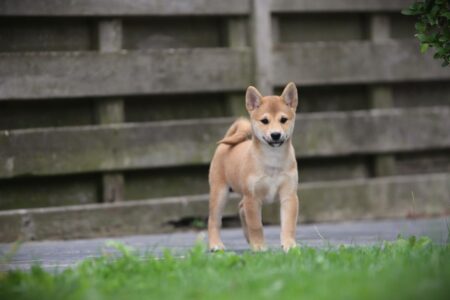
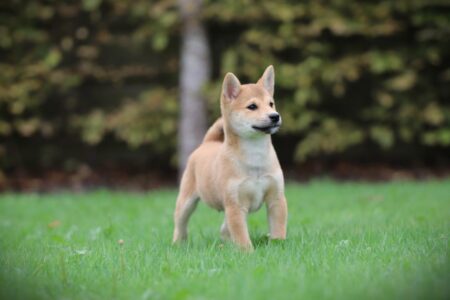
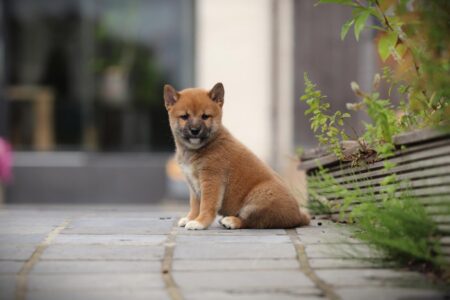
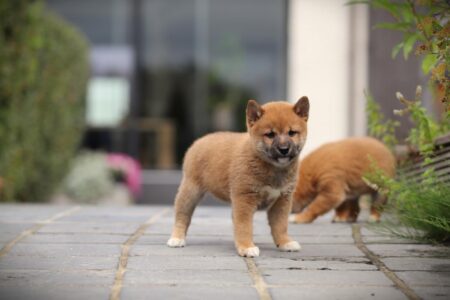
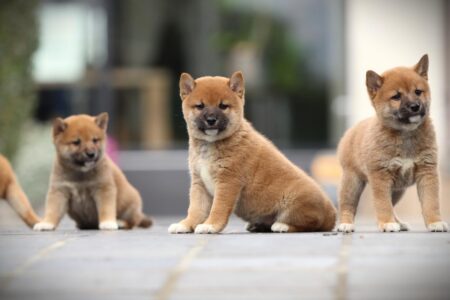
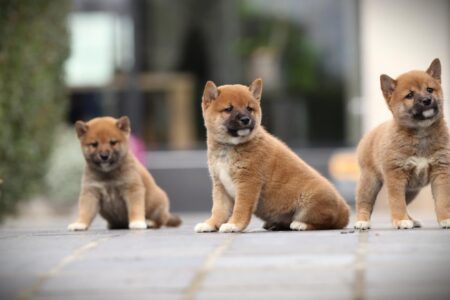
The Shiba Inu, a dog that not only stands out for its cute appearance but especially for its unique personality, has become an extremely popular breed. This Japanese four-legged friend has found its way into the hearts of many dog lovers worldwide, and for good reason. Known for its strong will, intelligence, and loyalty, the Shiba Inu requires an owner who can appreciate and understand its independent character.
In this blog, we delve deeper into what makes the Shiba Inu so special. From the independent Shiba Inu character and curious nature to their strong loyalty to their family—this dog combines traits that are both challenging and charming. By gaining more insight into the behavior and personality of the Shiba Inu, you as an owner can strengthen the bond with this proud and energetic dog. Whether you are already a proud owner or are considering bringing a Shiba Inu into your home, this guide will help you be better prepared for life with this unique dog.
Read on and discover how to get the best out of your relationship with a Shiba Inu!
Independence and Stubbornness

The Shiba Inu is known for its independent nature, but what does that mean in practice? Discover how truly independent a Shiba Inu really is and whether this fits your lifestyle.
The Shiba Inu is known for its strong will and independence, traits that evoke both admiration and challenges. Unlike many other dog breeds, the Shiba Inu is less inclined to constantly cling to its owner. This breed is perfectly comfortable when spending time alone and has a natural need for autonomy. This independence makes the Shiba Inu a fascinating dog but can also pose challenges, especially when it comes to training.
A consequence of their independent nature is that Shiba Inus often want to make their own decisions, which can sometimes make them stubborn and headstrong. This does not mean they are not intelligent—on the contrary, they are very sharp and know exactly what is expected of them. The issue lies more in their motivation; a Shiba Inu will not just do something to please its owner. Therefore, it is important to be patient, consistent, and above all, creative during training.
Tips for owners:
- Use rewards that your Shiba Inu truly values, such as favorite snacks or toys, to increase its motivation.
- Offer variety in training. Since Shiba Inus can get bored quickly, making the training challenging and varied helps.
- Respect its space and don’t be too forceful, as that can lead to resistance and even frustration in this independent breed.
With the right approach, you can enjoy the quirky charm of the Shiba Inu without becoming frustrated by its independence. It requires some patience, but the result is a dog that willingly builds a strong bond with its owner.
Intelligence and Curiosity

The Shiba Inu is not only independent but also exceptionally intelligent. This breed has a keen sense of observation and learns quickly from its environment. Shiba Inus are naturally curious and eager to explore everything around them. This means they are often engaged in their own investigations, whether it’s an interesting scent in the garden or a sound from outside. This curiosity can sometimes lead to amusing situations but also challenges, especially if they want to explore something that isn’t entirely safe.
The intelligence of the Shiba Inu makes them very trainable, but as mentioned earlier, a standard approach often doesn’t work. It’s important to channel both their intellectual and physical energy in a healthy way. Because of their intelligence, they also need firm training; a single correction and clear rules often work better than only positive reinforcement.
Why mental stimulation is essential:
- Prevents boredom Shiba Inus can get bored quickly and will find their own ways to relieve that boredom, which can sometimes result in destructive behavior.
- Strengthens the bond When you give them challenging tasks, you not only stimulate their brains but also strengthen the relationship with your dog.
- Stimulates problem-solving skills Intelligent dogs like the Shiba Inu benefit from challenges that make them think, such as interactive toys, scent games, or brain games.
Tips for owners:
- Vary the activities to stimulate their curiosity. Treasure hunts and search games are great ways to engage them.
- Use puzzle toys to keep them occupied while improving their problem-solving skills.
- Shorter, intensive training sessions are often more effective than longer ones. Since Shiba Inus can get distracted quickly, it works well to work with them in short blocks.
With the right stimulation and challenge, you can make the most of a Shiba Inu’s intelligence. Their curiosity and sharp mind are qualities that truly shine with proper attention.
Reserve and Distrust Towards Strangers

The Shiba Inu is naturally reserved and can be wary of strangers, both people and animals. This means a Shiba Inu won’t simply run up to strangers for a cuddle like some other dog breeds might. They often take their time to observe new people or situations before feeling comfortable. This reserve is a trait stemming from their past as hunting dogs in Japan, where vigilance and caution were valued qualities.
Although this reserve doesn’t have to be a problem, it can be important to socialize your Shiba Inu from a young age. By providing positive experiences with new people, other dogs, and different environments, you help him become more confident and less likely to react fearfully or nervously to the unknown.
How socialization can help:
- Builds trust Through gradual exposure to new people and situations, your dog learns that these experiences are not threatening.
- Reduces fear and stress Early socialization helps prevent your Shiba Inu from becoming fearful later in life, especially in busy or unfamiliar environments.
- Increases adaptability A well-socialized Shiba Inu will adjust more easily to various situations and display calmer behavior around strangers.
Tips for owners:
- Take your time and don’t force your Shiba Inu to make immediate contact. Let him gradually get used to new people and give him space to keep his distance if he wants.
- Use positive reinforcement when your dog remains calm in new situations or responds friendly to strangers.
- Visit different environments (such as parks, shops, and busy streets) and let your Shiba Inu get to know all kinds of people and animals at his own pace.
The reserved nature of the Shiba Inu can be challenging, but with patience and a careful approach, he can learn to feel more comfortable around new people and situations. The result is a confident dog who stays relaxed in a wide range of circumstances.
Loyalty and Bond with the Owner

Wondering if a Shiba Inu can be a loyal family dog despite his independent nature? Read more about the unique bond between Shiba Inus and their families and what to expect from this special breed.
One of the most valued traits of the Shiba Inu is his intense loyalty to his family. Although these dogs are independent and sometimes reserved, they often develop a deep bond with their immediate family members. A Shiba Inu forms a strong attachment to his owner and can be extremely devoted to his family. This loyalty makes them protective and faithful companions who want to guard their family and be close to them, even if often in their own subtle way.
Because Shiba Inus are not overly affectionate, they often show their love in a reserved way. Instead of constantly seeking attention, they prefer to quietly stay near their owner and often follow their movements around the house. Their loyalty means they are sensitive to the emotions and behavior of their family, and they can become strongly attached to their daily routine.
Why consistency and trust are important:
- Trust is essential A Shiba Inu must feel safe with its owner to give full loyalty and trust. Inconsistent behavior or harsh approaches can undermine this trust.
- Routine provides stability These dogs feel most comfortable with predictability. A fixed routine for eating, walking, and sleeping can help strengthen the bond.
- Respect their boundaries Shiba Inus value their space and do not like to be pushed. By respecting their independence, the bond can become stronger because the dog does not feel forced.
Tips for owners:
- Provide a consistent routine that your Shiba Inu knows and trusts. This creates a sense of stability, making them feel safer and more connected.
- Be patient and consistent in your interaction and training, so your dog learns to trust you and naturally develops loyalty.
- Show respect for his independence by giving him space when he needs it. Shiba Inus love closeness without being intrusive.
By approaching the loyalty of the Shiba Inu in a respectful and patient way, you can create a bond that is deep and mutual. Although this breed can sometimes be aloof, their attachment to their family is unmistakable and one of their most beloved traits.
Shiba Inu Personality with Children and Other Pets
Are you considering a Shiba Inu in a family with children or other pets? Discover how this Japanese dog relates to other family members and what you can do to create a harmonious home environment.
Considering a Shiba Inu in a household with children or other pets requires understanding their unique character and behavior. Shiba Inus are naturally independent and can sometimes be reserved, but they also have a strong protective instinct, especially toward their immediate family.
Interaction with Children
A Shiba Inu can be a great companion for children, but as with all dogs, interactions should always be supervised. Their independent nature means they are not always patient with rough play. It is important that children learn how to interact with the dog and show respect for his space and boundaries.
Tips for successful interaction:
- Teach children to approach the dog calmly and respectfully.
- Encourage positive games that both the dog and children enjoy without physical pressure.
- Always ensure an adult is nearby during interactions between young children and the dog.
Relationships with Other Pets
Shiba Inus can get along well with other pets if they are well socialized. Because they have a strong prey drive, it is important to be cautious when introducing them to smaller animals such as cats or rabbits. Early and gradual socialization is crucial to building a harmonious relationship.
Step by step:
- Introduce new pets gradually and in a controlled environment.
- Reward calm and desired behavior with treats or praise.
- Always supervise interactions during the early stages to prevent conflicts.
With proper guidance and a little patience, a Shiba Inu can be a fantastic addition to a family with children and other pets. Early socialization and respecting the dog’s natural tendencies and boundaries are crucial for developing a healthy family dynamic.
Prey Drive and Energy

The Shiba Inu was originally bred as a hunting dog, and this hunting instinct is still deeply ingrained in its character. This means it is often alert and attentive, always ready to react to moving objects such as birds, cats, or even leaves blown by the wind. This instinct makes the Shiba Inu an energetic and active breed that loves to explore the world around it. Their natural curiosity and drive to discover clearly stand out here.
However, the hunting instinct also means these dogs like to chase after things. Therefore, it is important for owners to be vigilant during walks, especially when the dog is off-leash in a safe, enclosed area. Their energy level requires daily physical exercise and mental stimulation to prevent boredom and frustration.
What the hunting instinct means for daily care:
- Walking and running are essential Shiba Inus are energetic dogs that need sufficient exercise. Long walks, running, or play activities help channel their energy in a healthy way.
- Use a leash in open areas Due to their strong hunting instinct, a Shiba Inu may decide to chase after something at any time. A leash is therefore often a wise choice in unenclosed areas.
- Mental stimulation to prevent boredom In addition to physical exercise, Shiba Inus also need mental challenges. This can take the form of brain games, puzzles, or varied training sessions.
Tips for owners:
- Schedule daily exercise in Try to plan at least one long walk or an active play session per day so your Shiba Inu can burn off its energy.
- Use reward-based play For example, hide treats in the garden or play search games to engage their natural scent and hunting skills.
- Practice off-leash walking in enclosed areas If you want to let your Shiba Inu off leash, ensure there is a safe, fenced space where it can release energy without the risk of running off.
The hunting instinct and energetic nature of the Shiba Inu make this breed a great companion for active owners. When their natural tendencies and energy levels are well-managed, you get a happy and balanced dog that can thrive fully.
Stubbornness and Perseverance

The Shiba Inu is known for its strong perseverance and sometimes stubborn character. This breed is intelligent and often quickly understands what is expected, but often chooses to do things its own way. Shiba Inus like to decide when and how to follow commands, which can present challenges during training. A balanced approach is needed for successful upbringing, where both positive reinforcement and clear corrections are important.
The role of positive reinforcement and corrective approach:
- Positive reinforcement builds motivation By rewarding good behavior with treats, toys, or compliments, you create a pleasant learning environment and encourage desired behavior.
- Correcting sets boundaries It is essential to set clear boundaries when your Shiba Inu shows unwanted behavior. A friendly but firm correction, such as a clear no or briefly stopping an activity, helps them understand which behavior is not acceptable.
- Consistency is crucial The combination of rewarding and correcting works best when applied consistently. Shiba Inus learn fastest when rules and expectations are clear and consistent.
Want to explore this topic deeper? Read more about how to best approach stubbornness in Shiba Inus and which specific strategies are most effective.
Tips for owners:
- Choose effective rewards Discover which treats and compliments your Shiba Inu values most, and use those for positive reinforcement during training.
- Correct calmly Make sure your corrections are clear but not aggressive. Although Shiba Inus can react sensitively, use the tone of your voice to discipline your dog.
- Stay patient Due to their stubbornness, Shiba Inus often need time to learn new behaviors. Be patient and keep the training positive and varied.
With the right balance between rewarding and correcting, you can turn a Shiba Inu’s stubbornness into obedience and cooperation. This balanced learning process ensures your dog clearly understands what is expected, strengthening your bond and making your life together enjoyable and harmonious.
Are you interested in adding a Shiba Inu to your family? Check out our available Shiba Inu puppies or learn more about raising a Shiba Inu. For more information about the practical aspects, you can also read about caring for a Shiba Inu.