Are you looking for a furry friend that fits perfectly into your life and home? Then you’re in the right place with small dog breeds! These cute, compact four-legged friends have not only found a place in your home but have also captured your heart. From the lively Chihuahua to the loyal Pomeranian – small dogs offer a world full of love, fun, and of course, lots of wagging tails.
Why choose a small dog?
The main advantages at a glance:
- Chihuahua, Pomeranian, French Bulldog, Toy Poodle, and Maltese are among the most beloved small breeds
- They do need training, socialization, and exercise, but this can be well combined with a busy life
- Regular grooming is important, but often less intensive than with large breeds
- Pay attention to specific health issues such as obesity, dental problems, and hereditary conditions
Meet the stars: popular small dog breeds
The Pomeranian: a fluffy ball of energy

The Pomeranian is a real charmer! This little friend has a personality much larger than its size. With their thick, fluffy coat available in various colors, they are real eye-catchers. Pomeranians are intelligent and eager to please their owner, making training much easier.
Note: Their beautiful coat does require regular attention to look its best. And like many small breeds, they can suffer from dental problems and dislocated kneecaps. But with good care and regular vet check-ups, they live a long and happy life!
The Miniature Dachshund: a sausage full of character
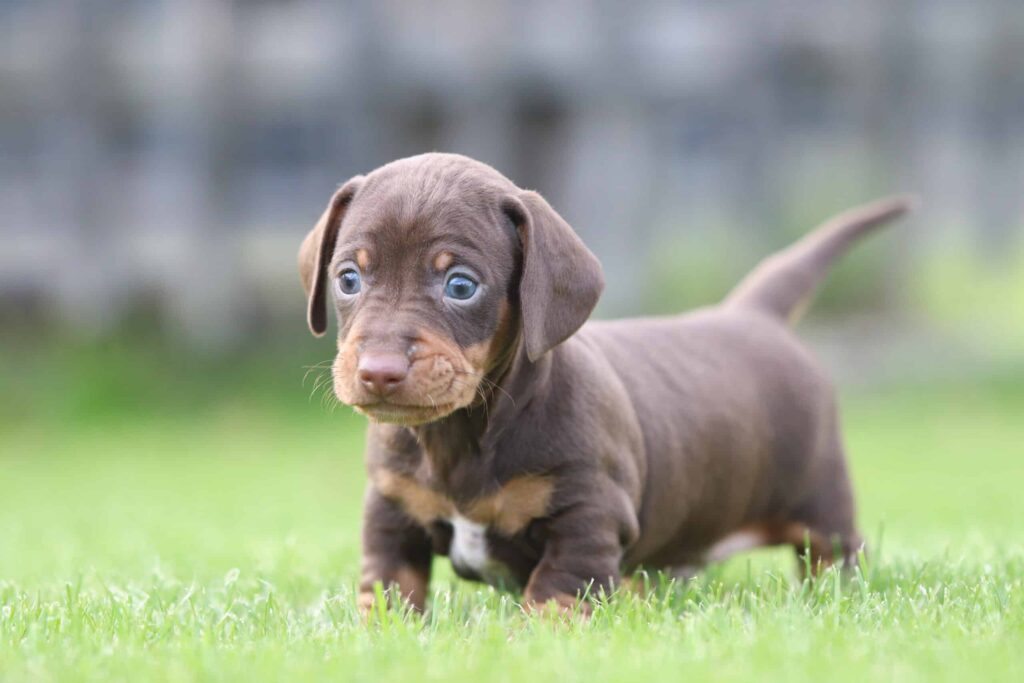
The Miniature Dachshund may be small, but it’s packed with personality! These intelligent little dogs love to learn new things, especially when you use positive training with rewards and compliments.
What do they need?
Training: They are smart and eager to please, but can sometimes be a bit stubborn. Patience and consistency are your best friends.
Exercise: Even though they are small, they need a daily walk and playtime. A securely fenced area is ideal for their playful moments.
Grooming: Their short, smooth coat is super easy to maintain – regular brushing keeps them looking good.
Health: Watch their back (intervertebral hernia can occur) and prevent obesity. With good care, they live long and happily.
The Toy Poodle: elegant and intelligent

The Toy Poodle is a true wonder of intelligence and elegance! These little rascals are known for their cleverness and adaptability – they feel at home in almost any situation.
What makes them special? Their curly coat does require regular attention. Daily brushing prevents tangles, and regular visits to the dog groomer keep them looking their best. But that investment is more than worth it – they are fantastic learners who excel in obedience training!
Socialization is crucial for Toy Poodles. The more different people, animals, and situations they experience as a puppy, the more confident they become. In terms of health, they are generally strong little dogs, but keep an eye on possible hip dysplasia, eye problems, and skin allergies.
The Maltese: a silky beauty

The Maltese is a true prince(ss) among dogs! Their long, silky white coat is truly beautiful, but does require daily attention.
Why are they so beloved?
- Character: Maltese are incredibly affectionate and friendly. They form a close bond with their family and are great companion dogs
- Training: Their intelligence and eagerness to please make training relatively easy, especially with positive methods
- Grooming: That beautiful coat needs daily brushing to prevent tangles. Regular visits to a professional groomer are a must
- Health: Watch for dental problems (common in small breeds), dislocated kneecaps, and possible heart defects
Tip: Always look for a reputable breeder who prioritizes the health and well-being of the puppies!
The Maltipoo: the best of both worlds

The Maltipoo is a popular crossbreed between a Maltese and a Poodle – and you can see it in their fantastic character! They combine the friendliness of the Maltese with the intelligence of the Poodle.
What can you expect? Their curly or wavy coat is beautiful but requires daily attention. They can sometimes be a bit headstrong (thank you, Poodle genes!), but with patience and positive training, they learn everything you want to teach them. A moderate energy level means that daily walks and playtime are perfect.
Watch out for possible dental problems, eye issues, and allergies – regular vet check-ups keep them healthy and happy.
Why are small dogs so popular?

Small dog breeds are popular for a reason! Their compact size makes them perfect for various living situations:
- For apartments: They feel right at home in smaller spaces
- For families: Small dog breeds for families are often social and great with children
- For beginners: Their trainability and eagerness to please make them ideal for new dog owners
- For seniors: Their calm temperament and lower energy levels fit perfectly with a relaxed lifestyle
What makes small dogs so special?
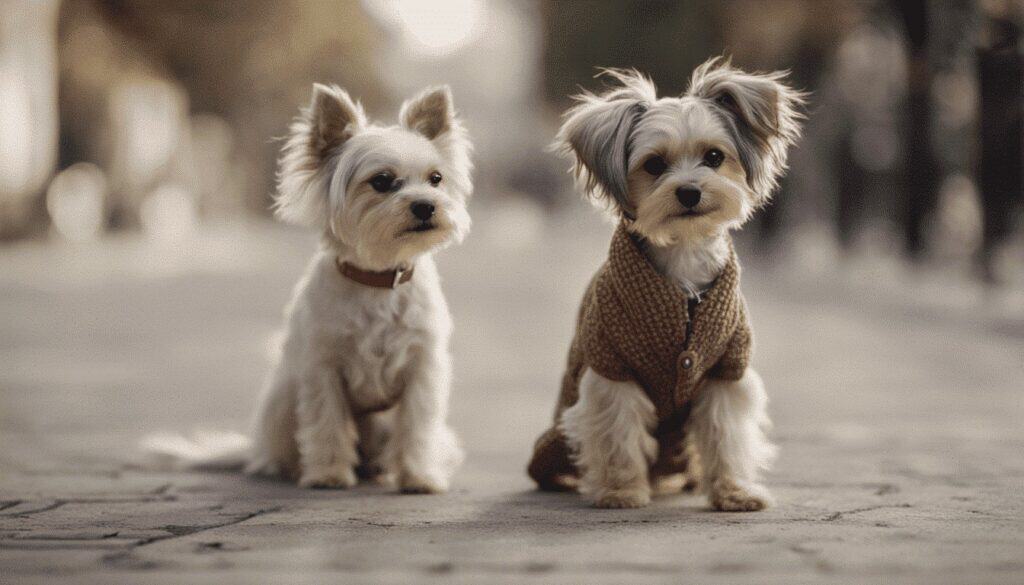
Small dogs have unique characteristics that you need to understand to make the right choice:
Training: They are intelligent and eager to learn. Positive reinforcement techniques with rewards and compliments work fantastically.
Socialization: Early and consistent socialization is crucial. Small dogs can otherwise become anxious or defensive in new situations.
Exercise: Even though they are small, they still need daily activity. Walks and playtime keep them physically and mentally healthy.
Grooming: Each breed has specific needs – from daily brushing to professional grooming.
Character: Some are extroverted social butterflies, others more reserved housemates. Choose a breed that fits your lifestyle!
Grooming: how to keep your little friend happy?

Regular grooming is essential for the well-being of your small dog. Here are the main points of attention:
| Grooming | Proper Nutrition | Veterinary Care |
|---|---|---|
| Brush regularly to prevent tangles | Choose high-quality small dog food | Schedule regular check-ups |
| Check ears for infections | Determine the right portion sizes | Annual vaccinations |
| Trim nails to prevent overgrowth | Follow a fixed feeding schedule | Dental care |
| Consult your vet for advice | Prevention against fleas, ticks, and worms |
1. Grooming Brush the coat at least once a week, regularly check the ears, and keep the nails short. It takes a little time, but your dog will look radiant!
2. Nutrition A balanced diet is crucial. Choose quality food specially made for small dogs and determine the right amounts with your vet.
3. Veterinary care Regular check-ups, vaccinations, and preventive care keep your little friend healthy and happy.
Training: the foundation for a happy coexistence
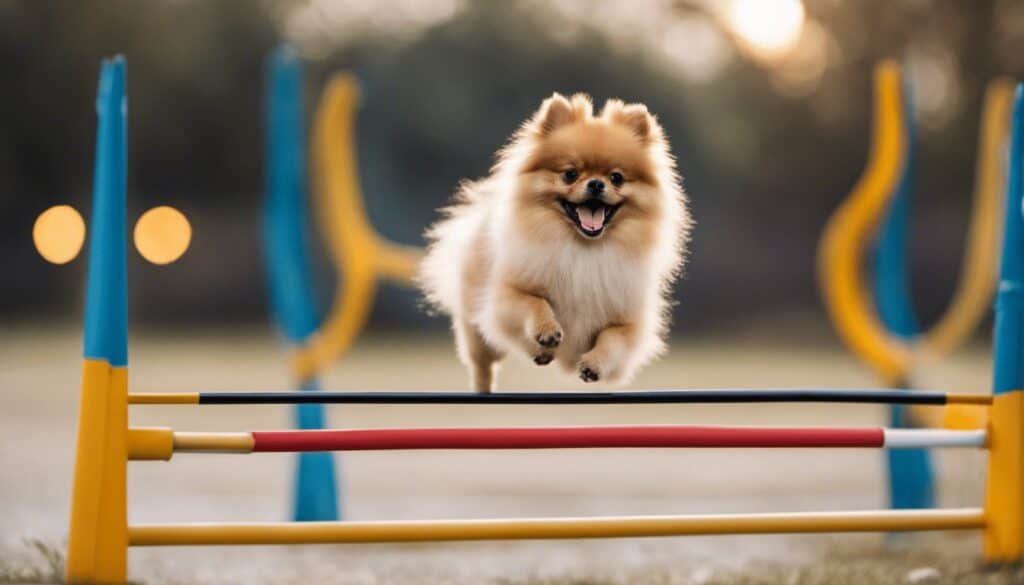
Training begins with building a strong bond through consistency and positive reinforcement. Here are the main principles:
House training:
- Establish a routine and go outside regularly, especially after meals
- Reward desired behavior with compliments or treats
- Patience and perseverance are essential
Leash training:
- Gradually get your dog used to the leash and collar
- Use positive reinforcement for calm walking
- Practice in different environments for better adaptation
Socialization:
- Expose your pup to different people, animals, and situations
- Reward positive interactions
- Gradually increase the difficulty level
Health: what should you watch out for?
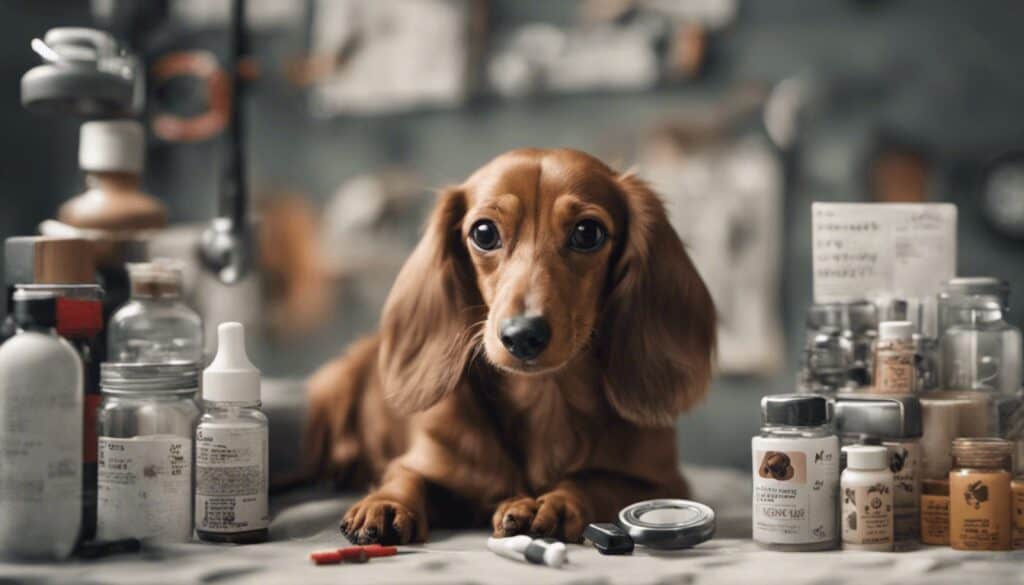
Despite their small size, small dogs can have specific health issues:
Obesity: Due to their small body size, even a little extra weight can have significant consequences. Monitor their diet and exercise closely.
Dental problems: Their small mouth often means not enough space for the teeth, which can lead to tartar and gum problems. Regular dental care is essential.
Eye problems: Their large, expressive eyes are more sensitive to injuries and irritations. Keep them clean and free from irritants.
Hereditary conditions: Heart, liver, and respiratory problems can occur. Research the breed before making a choice.
With the right care, small dogs can live happily into their teens!
The perfect environment for your little friend

Small dogs have specific needs when it comes to their living environment:
Training: Use positive methods – they are intelligent but can be stubborn. Patience and consistency are your best tools.
Socialization: Start early! Shy or anxious small dogs need more time to build confidence.
Toys: Choose toys that fit their small mouth and sensitive teeth. Avoid small parts that can pose a choking hazard.
Travel: Provide a safe, comfortable travel carrier and bring their favorite items for extra comfort.
Veterinarian: Find a vet with experience in small breeds – they need specific knowledge.
Nutrition: what does your small dog need?
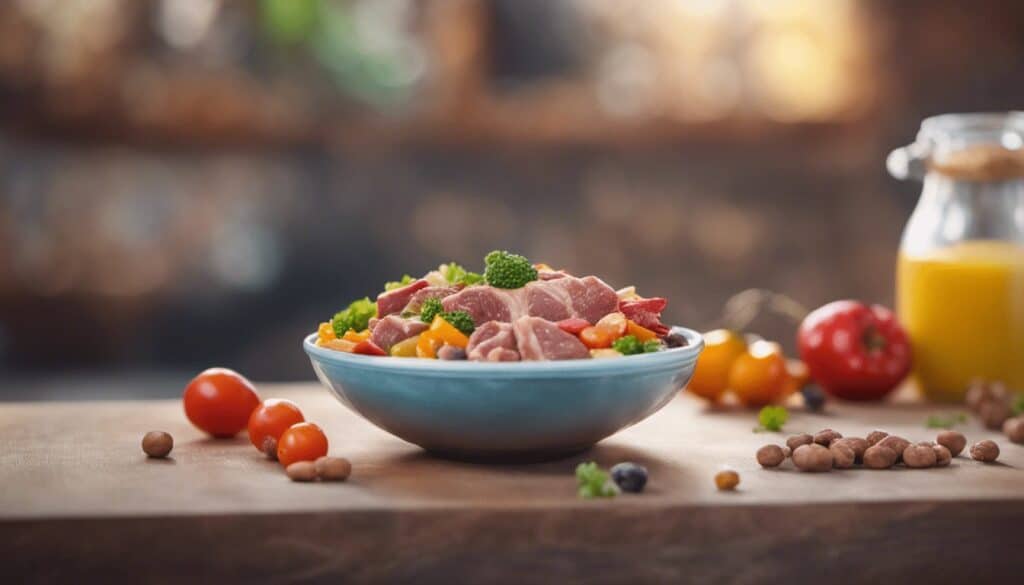
The nutrition of small dogs differs from that of large breeds. Here’s what you need to know:
| Nutritional Needs | Healthy Meals | Weight Management |
|---|---|---|
| High-quality proteins (chicken, turkey, fish) | Balanced ratios of proteins, carbohydrates, and fats | Portion control is crucial |
| Essential vitamins and minerals | Fresh vegetables and fruits as supplements | Regular exercise |
| Always fresh, clean water available | Limited treats | Regular weight checks |
Choose quality food specially developed for small breeds – they need smaller kibble and a higher energy density.
Children and small dogs: a perfect combination?
Absolutely! Small dogs can be fantastic family members, provided you keep a few important points in mind:
Teach your children:
- How to approach calmly and gently
- Not to pull on ears or tail
- To respect the dog’s boundaries
Safety first:
- Always supervise interactions
- Never leave children and dogs alone together
- Teach children to recognize dog body language
Benefits:
- Small dogs are easier for children to handle
- They learn responsibility and empathy
- Playing and walking together strengthens the bond
Considerations for purchase

Before you take the step to get a small dog, consider these important points:
Your living space: Small dogs fit well in apartments, but still need exercise and stimulation.
Your lifestyle: Are you active or calm? This determines which breed suits you best.
Training: All dogs need training. Positive reinforcement works best.
Grooming: Research the specific needs of the breed you are interested in.
Health: Inform yourself about breed-specific health issues.
Origin: Choose between adoption from a shelter or purchase from a reputable breeder.
Frequently asked questions
What health problems are common in small dogs? Dental problems, dislocated kneecaps, heart conditions, ear infections, allergies, and respiratory issues are the most common. Regular check-ups help detect these early.
How long do small dogs live on average? With good care, small dogs can live into their teens – often 12-15 years or longer, depending on the breed and care.
Do small dogs have special grooming needs? Long-haired breeds need daily brushing, and all small dogs need regular checks of ears, teeth, and nails.
Are there hypoallergenic small dog breeds? Yes! Certain breeds like Poodles and their crosses are more suitable for people with allergies, although no dog is 100% hypoallergenic.
Do small dogs need regular grooming? That depends on the breed. Breeds with continuously growing coats (like Poodles) need regular professional grooming, while breeds with shorter coats often only need brushing at home.
Choosing a small dog is a choice for years of love, companionship, and countless moments of joy. With the right information and preparation, you’ll surely find the perfect small four-legged friend that fits your life!
Want to know more about which dog suits you best? The experts at Woefkesranch are happy to help you make the right choice.