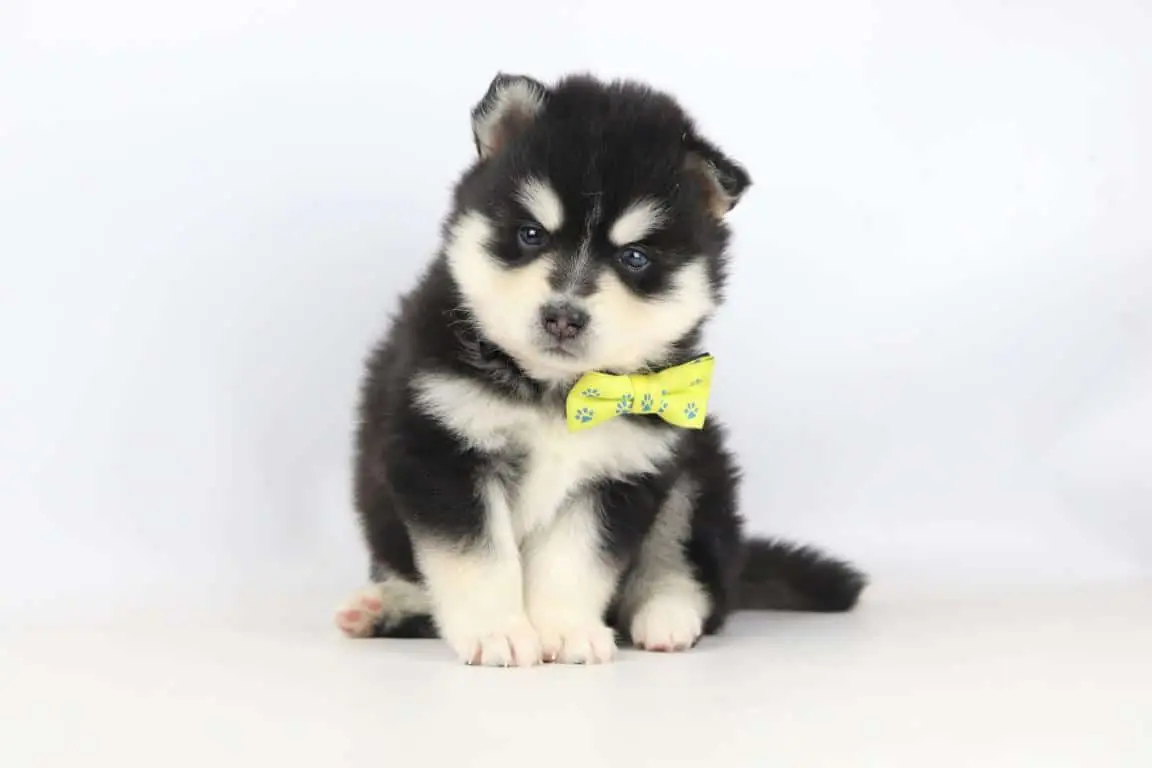
The Pomsky dog is a relatively new and popular designer breed that is a cross between a Pomeranian and a Siberian Husky. Here are some things you should know about the Pomsky:
Appearance of a Pomsky
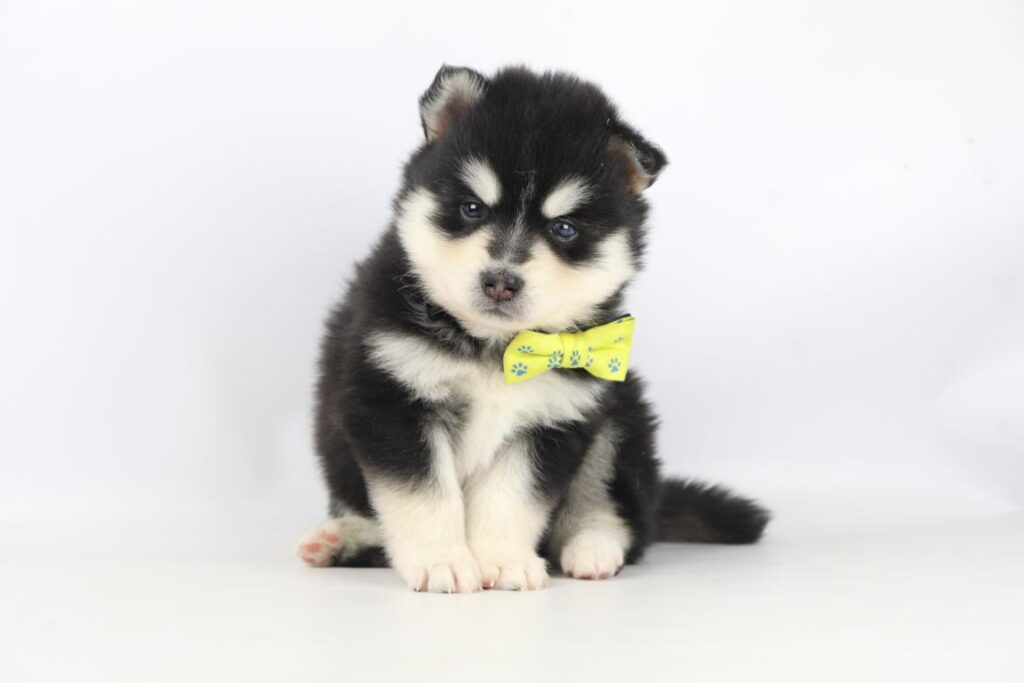
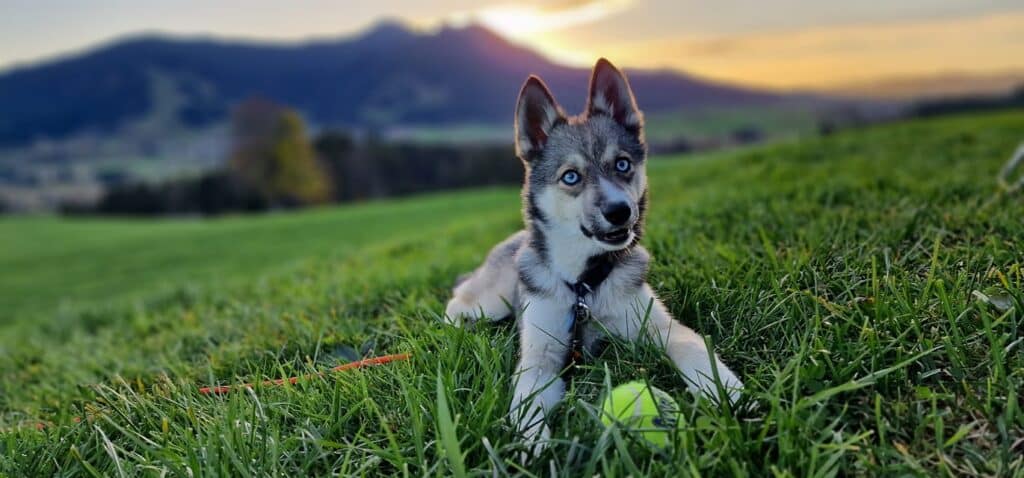
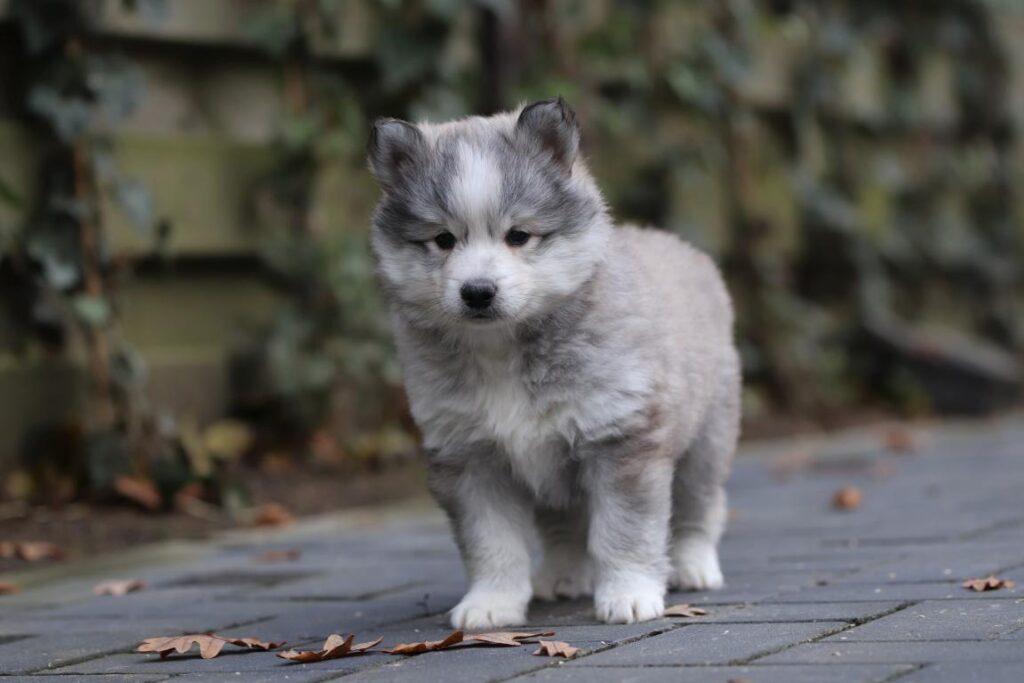
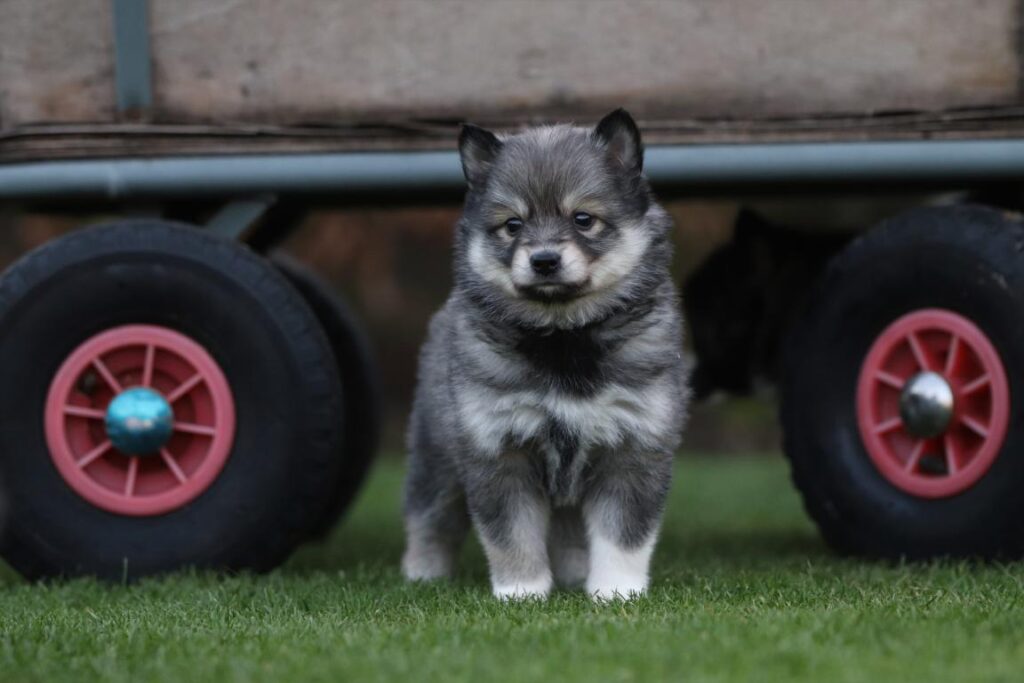
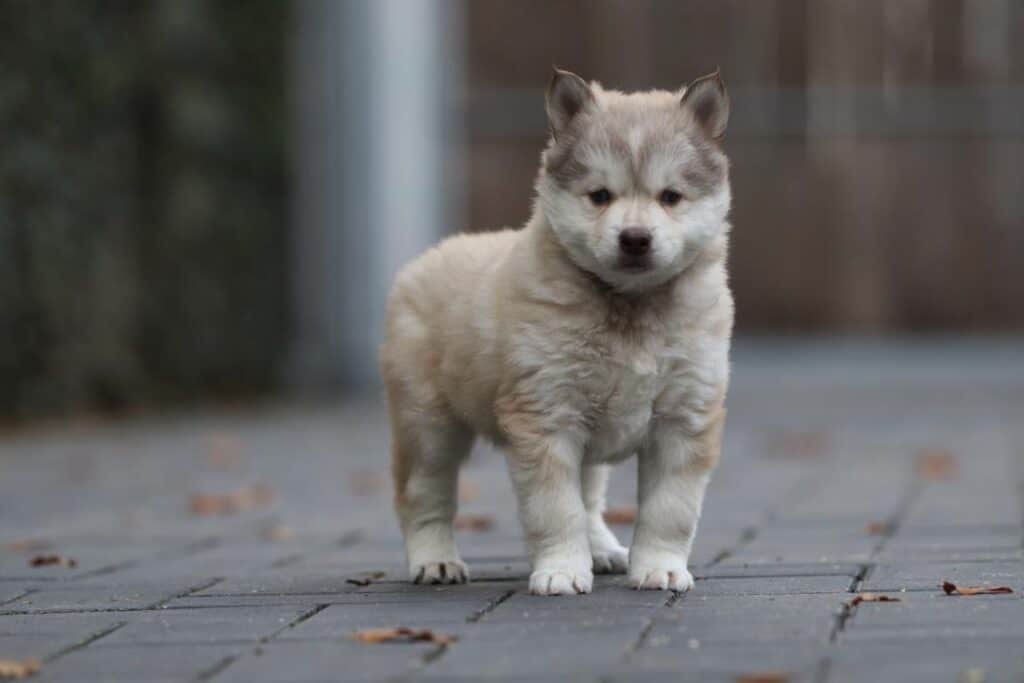
Pomskies are small to medium-sized dogs with a thick, soft coat in various colors, including white, black, gray and brown. They have a fox-like appearance with pointed ears and a curled tail.
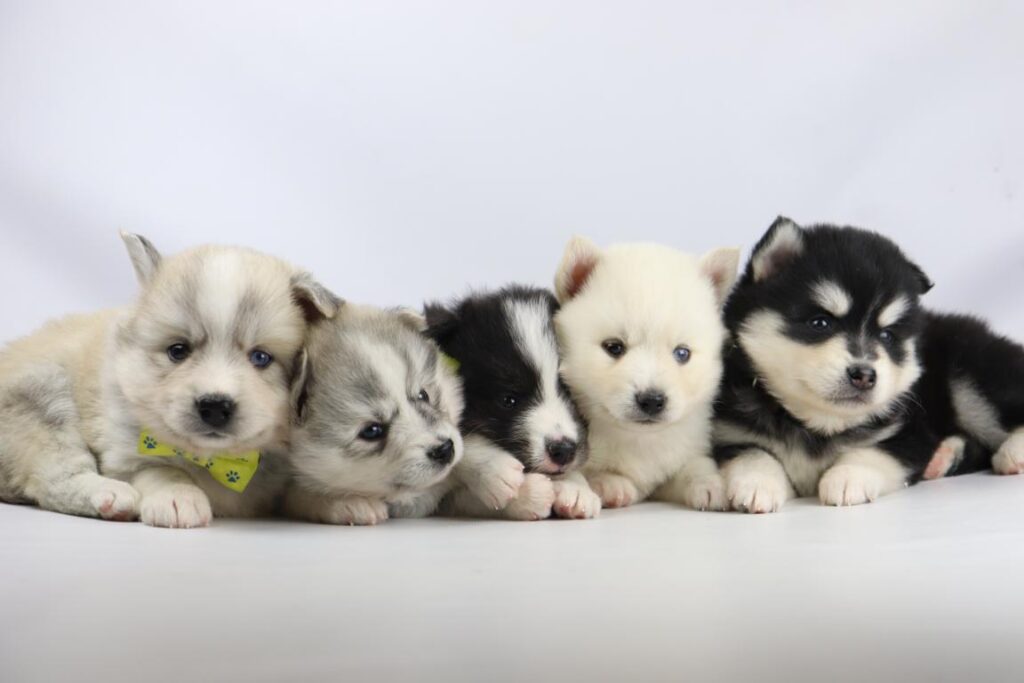
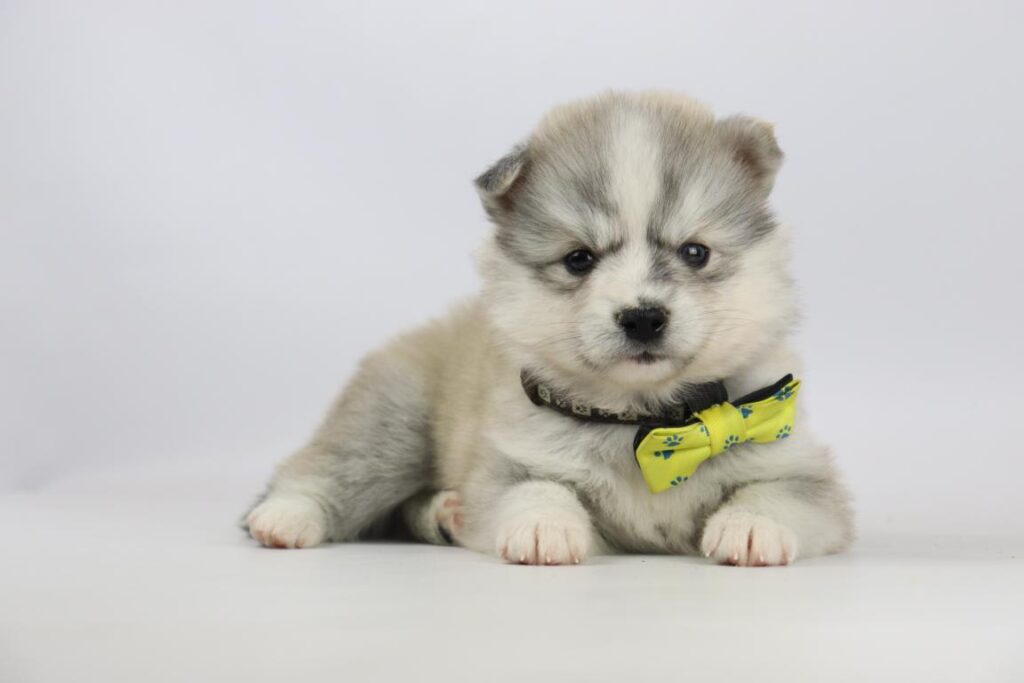
The appearance of a Pomsky can vary, depending on which parent breed genes are more dominant. They often have the colors and markings of a Siberian husky combined with the fluffy coat of a Pomeranian. The breed’s coat is medium to long, soft and fluffy, and can come in various colors and color combinations, such as black-and-white, blue-and-white, gray-and-white, brown or reddish-brown, blue-and-white, red or tan with different patterns and markings. The coat is thick and provides insulation in warm and cold weather.
Pomskies are small to medium-sized dogs that weigh between 4.5 and 15 kilograms, depending on their breeding. It is important to choose a breeder who is transparent about the size of their dogs and to be prepared for the possibility of a larger or smaller Pomsky than expected.
Care
Pomsky dogs have a thick, fluffy double coat that needs to be groomed regularly to keep it healthy and shiny. Here are some tips for caring for your Pomsky:
- Brushing: Pomskies should be brushed at least once a week to prevent mats and excessive shedding. Use a slicker brush or a comb to remove mats and tangles from the coat.
- Bathing: Pomskies do not need frequent baths because they have natural oils that keep their coat healthy. However, if they get dirty or start to smell, you can give them a bath with a mild dog shampoo.
- Nail trimming: Trim your Pomsky’s nails once a month to prevent them from becoming too long and causing discomfort. Use a nail clipper and be careful not to cut the quick, which is a blood vessel that runs through the nail.
- Ear cleaning: Pomskies have floppy ears that can trap dirt and moisture, which can lead to ear infections. Clean their ears as needed with a damp cloth or a cotton pad and a dog ear-cleaning solution.
- Professional grooming: If you wish, you can take your Pomsky to a professional grooming salon for regular care, including coat trimming, ear cleaning and nail trimming.
In general, regular grooming is essential to keep your Pomsky healthy, comfortable and at its best.
Character
Pomskies are known as playful, intelligent and affectionate dogs. They are loyal to their owners and enjoy being close to people. However, they can sometimes be stubborn and require firm training.
Here are some common characteristics of Pomsky dogs:
- Lively and playful: Pomskies have a lot of energy and enjoy playing with their owners. They love running, jumping and fetching.
- Intelligent: Pomskies are intelligent dogs that can be easily trained using positive reinforcement techniques. They learn quickly and enjoy mental stimulation.
- Affectionate: Pomskies are very affectionate dogs that like to be near people. They form strong bonds with their owners and enjoy cuddling.
- Independent: Pomskies can sometimes be independent, and may sometimes require firm training to prevent them from becoming too stubborn.
- Alert: Pomskies are alert dogs that make good watchdogs. They will bark to warn their owner of possible threats or intruders.
- Social: Pomskies are social dogs that enjoy being with other dogs and people. They can get along well with children and other pets if they are well socialized.
Overall, Pomskies are affectionate and playful dogs that make great companions for families and individuals who are willing to give them the attention, exercise and training they need.
Pomskies can make wonderful pets, but it is important to consider a few factors when it comes to raising them around children. Pomskies are energetic and enjoy being involved in family activities, but they can become lonely if they are left alone for long periods . Pomskies are naturally irritable, which can be a problem if you have very young children or small, vulnerable pets at home. It is important to supervise interactions between young children and any pets.
Pomskies can get along well with other pets if they are well socialized and introduced to other animals at a young age. However, there are a few things to consider when introducing a Pomsky to other pets:
- Size difference: Pomskies are small to medium-sized dogs, so they may not be suitable to be left alone with larger dogs or other animals. It is important to supervise their interactions and ensure everyone is safe.
- Energy level: Pomskies have a lot of energy and can be very playful, which may be too much for some cats or other small pets. It is important to supervise their interactions and make sure everyone feels comfortable.
- Predatory drive: Like their Husky parents, Pomskies have a natural prey drive, which means they may be inclined to chase smaller animals such as cats or rabbits. It is important to train and socialize them carefully to prevent incidents.
- Socialization: Socializing your Pomsky with other animals from a young age can help them learn to get along with other pets. Introduce them slowly and carefully, and reward positive interactions.
- Training: Training your Pomsky to obey commands like “leave it” and “come” can help prevent unwanted behavior around other pets.
Pomskies can get along well with children and other pets if they are properly introduced and socialized. It is important to monitor their interactions and provide proper training to ensure everyone stays safe and happy.
Exercise and training
Pomskies have a lot of energy and need regular exercise to stay healthy and happy. They enjoy walking, fetching and other forms of physical activity.
Pomskies have a high energy level and require regular exercise to stay healthy and happy. A suitable exercise for Pomskies is walking, which can be done both outdoors and indoors. Pomskies can also go jogging with their owners and play games to keep them active.
According to the Pomsky Owners Association, a typical Pomsky weighs between 9 and 15 kilograms and is 25 to 38 cm tall, but it usually takes about a year for them to reach full size. According to the American Pomsky Kennel Club, the majority of Pomskies are couch potatoes, aside from necessary walks for mental stimulation, toilet breaks, etc. You teach your Pomsky how much exercise he needs.
Training: Pomskies are intelligent dogs that can be easily trained using positive reinforcement techniques. They respond well to treats and praise, but can become bored by repetitive training methods.
Training a Pomsky requires patience, consistency, and positive reinforcement. Here are some tips for training your Pomsky:
- Start early: Begin training your Pomsky as soon as you bring him home. This will help him learn good behavior from the start.
- Socialize your Pomsky: Introduce your Pomsky to different people, animals, and environments to help him adjust and build confidence.
- Use positive reinforcement: Reward your Pomsky with treats, praise, and affection when he shows good behavior. This will encourage him to repeat the behavior.
- Be consistent: Use the same commands and techniques when training your Pomsky. This will help him understand what is expected of him.
- Keep training sessions short: Pomskies have a short attention span, so keep sessions to about 10-15 minutes at a time.
- Teach basic commands: Start with basic commands such as ‘sit’, ‘stay’, and ‘come’. Once they have mastered these, you can move on to more advanced commands.
- Use a crate: Using a crate can help with the potty training and also provide a safe place for your Pomsky dog to retreat to when they need time alone.
- Seek professional help if needed: If you are struggling with training your Pomsky, consider enlisting the help of a professional dog trainer.
Remember that training a Pomsky takes time and patience, but with consistency and positive reinforcement you can help them become a well-behaved and happy companion.
Health
Pomskies are generally healthy dogs, but they can be prone to certain health issues such as hip dysplasia, eye problems and allergies. It is important to buy your Pomsky from a reputable breeder who screens their breeding dogs for genetic health problems.
Fun facts
- Pomskies are a cross between Siberian Huskies and Pomeranians, and they originated through artificial insemination in 2012.
- They are not yet recognized by the American Kennel Club.
- They sometimes howl and can resemble their Husky parents when it comes to barking.
- There are two different types of Pomskies: the 50/50 variety, which has a purebred Siberian Husky parent and a purebred Pomeranian parent, and the 25/75 variety.
- The Pomsky is usually produced by breeding a female Siberian Husky with a male Pomeranian, to prevent complications caused by the smaller Pomeranian carrying a litter of larger puppies.
Conclusion
Overall, Pomskies are loving and playful dogs that make great companions for families and individuals who are willing to give them the attention, exercise and training they need.


