
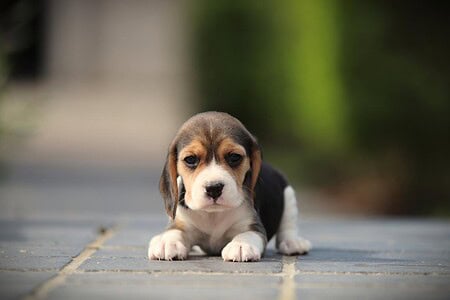
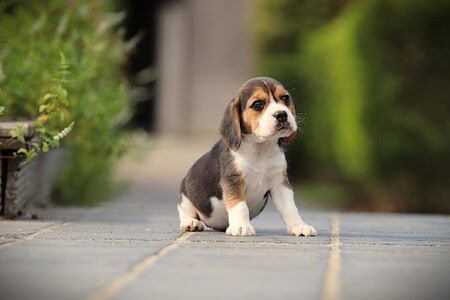
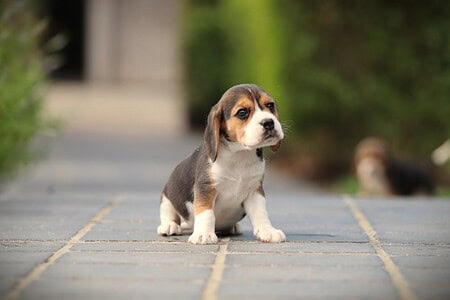
In the world of dog sizes, where tail wags and ear lengths may seem to steal the spotlight, the height of the Beagle at the withers quietly begs for attention. You are about to embark on a journey that revolves as much around precision as around patience. Measuring your Beagle’s height at the withers is not just a matter of grabbing a tape measure; it is an art that requires a calm dog, a steady hand, and an eye for detail. As you prepare to discover exactly how tall your furry friend is, remember that this is not just about numbers on a scale. It is a step towards understanding your Beagle’s health, fitting them for the perfect harness, and perhaps even optimizing their skills in hunting rabbits and hares. But how do you measure them accurately, and what do those numbers tell you? Let’s explore this together, and you may find there is more to your Beagle than meets the eye.
Key Points
- The height at the withers of a Beagle ranges between 33 and 38 centimeters, defining their compact and agile build.
- Growth to full height is generally achieved between 12-14 months, influenced by genetics and health.
- An accurate measurement of the height at the withers is crucial for monitoring growth and ensuring health.
- Adhering to the 13-16 inch standard is important for the health and competitiveness of the breed.
Understanding Beagle Height
When measuring the withers height of a Beagle, it is essential to note that the average range is between 13-16 inches, providing a clear benchmark for assessing growth and development. This specific measurement is important for understanding the physical characteristics of this dog breed and ensuring they meet the breed standards. The withers height, or shoulder height, not only gives insight into the overall size of the Beagle but also plays a key role in evaluating the dog’s potential weight and health trajectory.
Given the Beagle’s compact build, their weight typically ranges from 20-24 pounds, closely related to their height at the withers. This balance between height and weight is fundamental to maintaining the breed’s agility and stamina, traits that define their classification as a small hunting dog. It is crucial to monitor these precise measurements and clinical perspectives to accurately track a Beagle’s growth, ensuring they remain within a healthy range for both size and weight.
This technical approach to measuring the withers height of a Beagle enables breeders, veterinarians, and owners to make informed decisions about diet, exercise, and overall care, contributing to the well-being and lifespan of this beloved dog breed.
Measuring your Beagle
To accurately measure the withers height of your Beagle, you will need a measuring tape or ruler, with the dog standing straight against a supporting wall for precise results. This method allows an exact measurement of the withers height, which is crucial for monitoring your Beagle’s growth. It is very important that your Beagle does not sit or lean, as this can significantly affect the accuracy of the measurement.
After a long walk, when your Beagle will likely stand still more often, is an ideal time to measure. This practice should become a regular part of your routine to accurately track your Beagle’s development. Using a permanent marker on the wall or a special growth chart can make this process easier by providing a visual representation of your Beagle’s growth trajectory.
Here is a simple table to help you keep track of your Beagle’s growth:
| Age (Months) | Expected Height (Inches) | Measurement Date |
|---|---|---|
| 3 | 9-11 | 01/06/2023 |
| 6 | 11-13 | 01/09/2023 |
| 9 | 12-15 | 01/12/2023 |
| 12 | 13-16 | 01/03/2024 |
This table serves as a basic framework. Adjust it according to your Beagle’s specific growth pattern to continually ensure the accuracy of your measurements and to accommodate the possibility that a Beagle can fully grow to 33 to 38 centimeters tall.
Adult Beagle Size
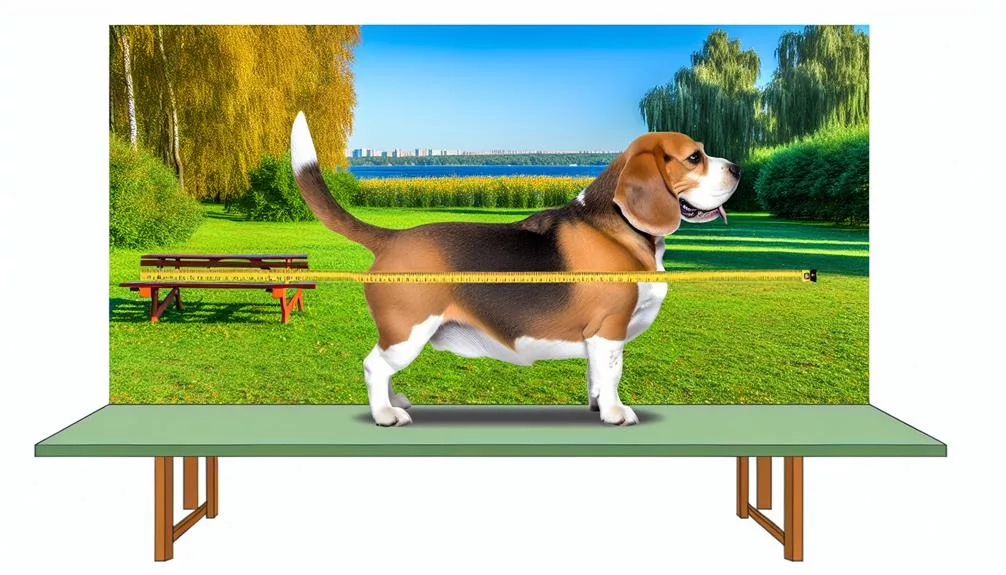
Understanding the size of an adult Beagle is crucial, as they typically stand between 33 cm and 40 cm tall at the withers. This precise measurement is essential for identifying a compact and well-proportioned adult Beagle. The size of a Beagle is not just a matter of appearance but also directly impacts their health and well-being. Monitoring their size, especially the weight of a Beagle, is essential to prevent health issues related to obesity or malnutrition.
To provide a thorough overview:
- Height at the withers: Adult Beagles typically range from 33 cm to 40 cm, an important indicator of their compact build.
- Body length: A healthy adult Beagle usually measures between 50 cm and 60 cm in length, contributing to their balanced physique.
- Weight range: The weight of an adult Beagle varies from 11 to 15 kilograms, emphasizing the importance of regular weight checks to maintain optimal health.
- Health monitoring: Regular measurements and monitoring of an adult Beagle’s size can potentially prevent health issues, ensuring a quality life.
This detailed focus on the size of the adult Beagle highlights the need for precise, clinical attention to their physical development and health maintenance.
Growth milestones
After exploring the size of the adult Beagle, it is now important to focus on the growth milestones that chart their development from puppyhood to adulthood. From the moment a Beagle puppy joins your family, monitoring weight and height is essential to ensure they are on the right path to becoming healthy adult Beagles. Growth spurts, particularly noticeable between 4-6 months for height and 10-12 months for weight, require close observation for any signs of abnormal growth patterns, such as with a miniature Beagle that may grow differently from the standard.
| Age (months) | Milestone |
|---|---|
| 4-6 | Significant growth spurts in height occur. |
| 6 | Approximately 75% of adult height is reached. |
| 10-12 | Growth spurts in weight take place. |
| 12-14 | Beagles typically reach their full height. |
These milestones serve as a guideline for tracking the development of your Beagle. It is important to consult your breeder or a veterinarian if your puppy’s growth significantly deviates from these standards. Abnormal growth patterns may indicate underlying health issues that require immediate attention, a crucial factor in health considerations for a Beagle, bred for hunting hares and rabbits. By vigilantly monitoring and following these guidelines, you can ensure your Beagle grows into a healthy and well-proportioned adult.
When Beagles Stop Growing
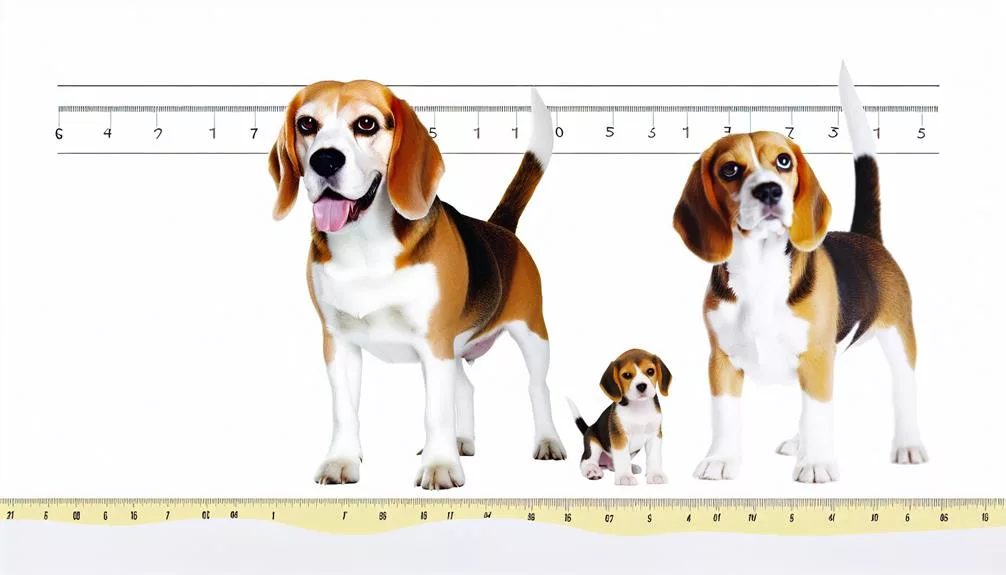
Beagles typically stop growing in height around 12 to 14 months of age, with genetic, nutritional, and health factors playing an important role in their growth trajectory. Understanding when your Beagle stops growing is essential to ensure they develop into a healthy adult dog. The cessation of height growth is a complex process influenced by several factors.
- Genetics: Determines potential size and growth rate. Specific genes inherited from the Beagle’s parents directly influence when and how growth plates close, signaling the end of height increase and are important for predicting the final size of the Beagle, ranging between 33 and 41 centimeters.
- Nutrition: Adequate nutrition is essential for ideal growth. Imbalances or deficiencies can delay or prematurely trigger growth cessation.
- Health: Underlying health issues can hinder normal growth. Regular veterinary check-ups ensure that growth-related health problems are identified and addressed in a timely manner.
- Monitoring: Systematic monitoring of height against age standards is crucial. This involves measuring the Beagle at the withers using precise tools and techniques to accurately track growth cessation.
It is important to recognize that although most Beagles reach their full height by one year, individual variations exist. Monitoring and adjusting care based on genetics, nutrition, health, and growth trends are essential for ideal development.
Beagle Weight Guide
To maintain optimal health, it is important to ensure that your Beagle’s weight falls within the typical range of 11 to 15 kilograms, depending on factors such as gender and individual metabolism. Monitoring your Beagle’s weight is essential for their overall health. Female Beagles may weigh slightly less, averaging around 11-14 kg, due to their generally smaller size compared to males.
It is important to understand that maintaining a healthy weight is not just about appearance; it affects your Beagle’s lifespan and quality of life. Overweight can lead to a range of health problems including joint issues, diabetes, and heart disease. Conversely, an underweight Beagle may be at risk of nutritional deficiencies.
Achieving and maintaining an ideal weight requires a balance between regular physical activity and a balanced diet. Monitor your beagle’s food intake and ensure they get enough physical exercise every day. It is also beneficial to have regular check-ups with a veterinarian who can provide personalized guidance on your beagle’s nutritional needs and assist with effective weight management.
Weight and Height Chart
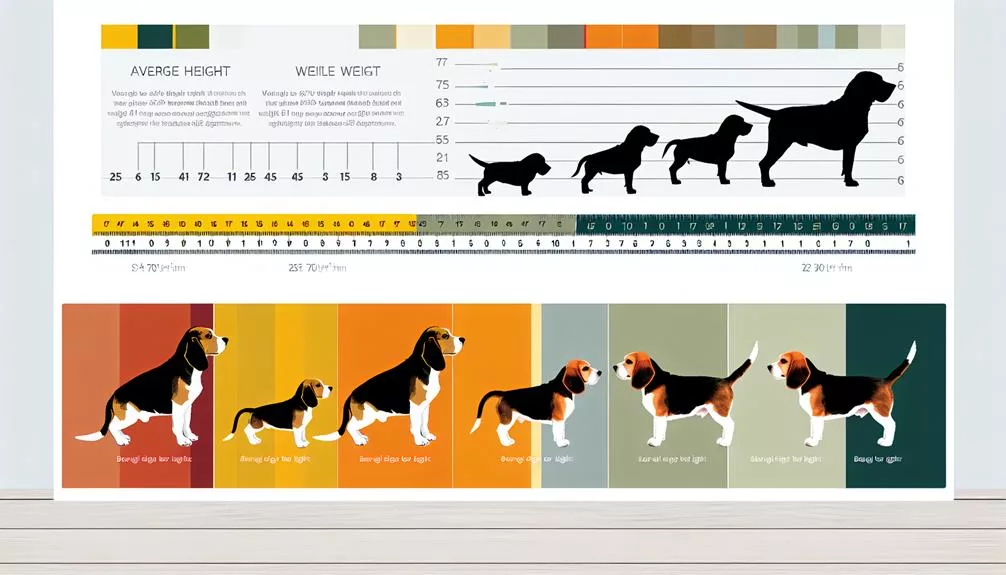
After understanding the importance of maintaining your beagle’s ideal weight for their health, it is equally important to monitor their height to ensure they are developing within the breed’s standard parameters. This not only guarantees their physical well-being but also helps prevent health issues that may arise from deviations from these standards.
To accurately assess your beagle’s growth, consider the following points:
- Weight and Height: Beagles typically weigh between 20-24 pounds. Their height at the shoulder should range from 13-16 inches. It is essential to maintain these measurements for optimal health.
- Gender-Specific Differences: Adult male beagles tend to be slightly larger and heavier than their female counterparts. This difference should be taken into account during your assessment.
- Health Monitoring: Regularly measuring and tracking both weight and height not only ensures your beagle meets the standard but also allows for early detection of potential health issues.
- Breed Standard: Adhering to these guidelines is essential for the overall development and health of your Beagle. Deviations may indicate underlying health issues or nutritional deficiencies.
Six-month-old Beagle size
When assessing the growth of your six-month-old Beagle, it is important to note that they are typically about 10-12 inches tall at the withers. At this crucial stage of their development, your Beagle’s size is an important indicator of their overall health and well-being. With a body length usually ranging between 12-15 inches, your Beagle is showing a key growth phase, reaching approximately 50-60% of their adult height.
Regarding weight, a six-month-old Beagle generally weighs around 12-17 pounds. This range is indicative of a healthy growth trajectory, provided a balanced diet and adequate exercise are maintained. Monitoring these measurements is crucial; deviations in expected height, length, or weight may require a veterinary consultation to address possible health issues or dietary adjustments.
Understanding the size of a six-month-old Beagle not only provides insight into their current health status but also helps predict their adult dimensions. Accurate measurements and attentiveness during this period are essential to ensure a smooth transition to adulthood, laying the foundation for a healthy and strong life.
Ensuring healthy growth

Ensuring the healthy growth of a Beagle requires precise measurements of the withers height, along with monitoring potential health issues. Accurately measuring the withers height helps track your Beagle’s development. It is an essential part of overseeing their healthy growth and crucial to ensure they are on the right track, especially in the Beagle world where growth is closely monitored. You should schedule regular vet check-ups to confirm that your Beagle is growing as expected and to identify any concerns early.
To support your Beagle’s growth, consider these critical points:
- Regular measurements: Consistently tracking your Beagle’s withers height helps identify any deviations in their growth patterns.
- Nutrition: Providing a balanced diet formulated for Beagles is essential for their development and health.
- Exercise: Sufficient physical activity is essential for maintaining a healthy weight and supporting proper growth.
- Veterinary care: Regular vet check-ups are vital to ensure your Beagle is healthy, vaccinations are up to date, and any potential health issues are addressed promptly.
Standard Measurements
Understanding the breed standard measurements is important, as Beagles should ideally measure between 13-16 inches at the withers for females and 14-16 inches for males to match the ideal body proportions. The breed standard specifies these precise measurements to ensure uniformity within the breed and maintain the desired conformation. When preparing for competitions or breed evaluations, the withers height is a critical factor in assessing a Beagle’s compliance with the breed standard.
Accurate measurements of the withers height are essential, using a method that ensures the Beagle stands in a natural position without sagging or stretching. This accuracy not only supports the integrity of breed standards in competitive settings but also guides breeding decisions to preserve the distinctive physical traits of the Beagle.
Deviations from these specified measurements can affect a Beagle’s competitive success as well as its suitability for breeding programs. Strict adherence to the breed standard, particularly regarding the withers height, forms the foundation for efforts to preserve the historical and physical integrity of the Beagle. Regular and precise measurements are indispensable for both breeders and owners, ensuring that Beagles not only meet but also embody the standards set forth in their breed standard.
Frequently Asked Questions
How do you measure the height of a Beagle?
To measure your Beagle’s height, you need a tape measure. Place them against a wall and make sure they stand straight. Measure from the ground up to the withers. Mark this spot for consistent measurements.
How tall are Beagles at the shoulder?
Beagles are typically 13-16 inches tall at the shoulder. It is important to measure accurately to ensure they meet breed standards and to monitor their health. Use precise tools for consistent results.
Are there 2 sizes of Beagles?
No, there are no two officially recognized sizes of Beagles. They usually measure 13-16 inches at the withers. Variations exist, but the breed maintains a consistent size, emphasizing their compact, sturdy build.
What is the size reference for a Beagle?
You are looking for a reference size for a Beagle, which is usually measured at the withers. The average height ranges from 13 to 16 inches, which is important for choosing the right equipment and ensuring their comfort.