







Beagles are adorable, loyal, and affectionate dogs, but like all dogs, they can easily become overweight if not properly cared for. Overweight can cause health problems for your puppy and make them feel lethargic and uncomfortable. So how do you know when your beagle is too fat? We will explain this in this article about beagle weight
The first thing to consider is the breed size. Beagles usually weigh between 10-16 kilograms, so any weight outside this range may indicate something is wrong. You should also be able to feel your dog’s ribs without pressing too hard; if you cannot, they are likely carrying more weight than necessary. Also, look at your puppy from above; healthy beagles should have a visible waist when viewed from this angle.
Excessive panting or difficulty moving are other signs that your pet may be overweight. If you notice any of these signs in your beagle, consider consulting your veterinarian to confirm the diagnosis and to develop a plan to help them get back in shape. It can also be helpful to discuss dietary changes with a qualified nutritionist who can advise on the best food to keep your puppy healthy.
It is important to remember that every dog is different and that many factors contribute to their weight, such as age, activity level, and medical conditions. If you think your beagle needs help getting back in shape, don’t hesitate to seek professional advice. With the right guidance and care, you will soon have a happy, healthy dog by your side!
What is the Beagle weight?
The weight of a Beagle varies depending on the size and age of the dog, but an adult Beagle usually weighs between 10-16 kilograms. If you have a beagle, it is important to monitor its weight to ensure it is not too heavy. You should regularly weigh your beagle to make sure it meets the breed standard for size and condition.
As a hunting dog, a beagle burns a lot of calories during its activities. So if you want your dog to lose weight, ensure it gets enough exercise. By weighing your dog regularly, you can keep track of its weight and adjust its diet accordingly. A healthy weight is important for every beloved four-legged friend!
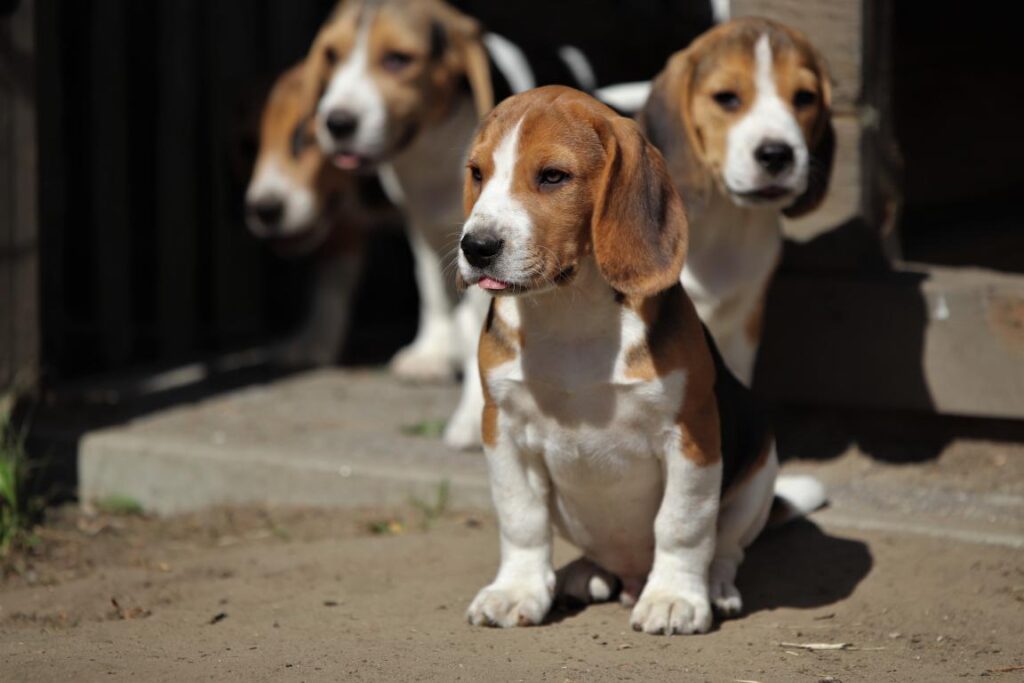
What can you do against overweight?
As the owner of an overweight dog, it is important to note that your dog does not have a healthy weight and to take steps to help them achieve a healthy weight. For example, if you have a beagle, you should give your dog smaller portions of food in their bowl than recommended. Every dog is different, so it is important to consider how much food is actually eaten rather than assuming the recommended amount is exactly right for your dog.
This way, you can ensure they receive the right amount of nutrition and maintain a healthy weight. Additionally, providing sufficient regular exercise for your beagle can also help with weight control and offer other benefits, such as better overall health and wellbeing. By taking these steps, you can help your pet stay at a healthy weight and live longer, healthier lives.
What is the weight of a Beagle puppy?
The weight of a beagle puppy can vary significantly depending on the age and size of the puppy. Generally, adult beagles weigh about 10-16 kilograms, with males usually weighing slightly more. Puppies typically weigh 2-3 kilograms when they are around 8 weeks old. As your beagle grows, it is important to monitor their diet and exercise to prevent health issues caused by overweight. With regular visits to your vet and a balanced diet, you can ensure your dog remains healthy and happy for many years!
What causes overweight in dogs?
The primary cause of obesity in dogs is an imbalance between calorie intake and energy expenditure. Overweight dogs typically consume more calories than they burn. Breeds such as King Charles Spaniels and Beagles are more prone to obesity due to their tendency to overeat. A sedentary lifestyle of many dogs can also play a role, as lack of exercise leads to lower energy use.
Poor-quality diets high in fat, carbohydrates, and salt can also cause weight gain in dogs. Finally, certain health conditions can contribute to obesity in some dog breeds. These include hypothyroidism or diabetes mellitus (diabetes). It is important for pet owners to be aware of possible causes of overweight in their dog so that appropriate steps can be taken to prevent or manage it.
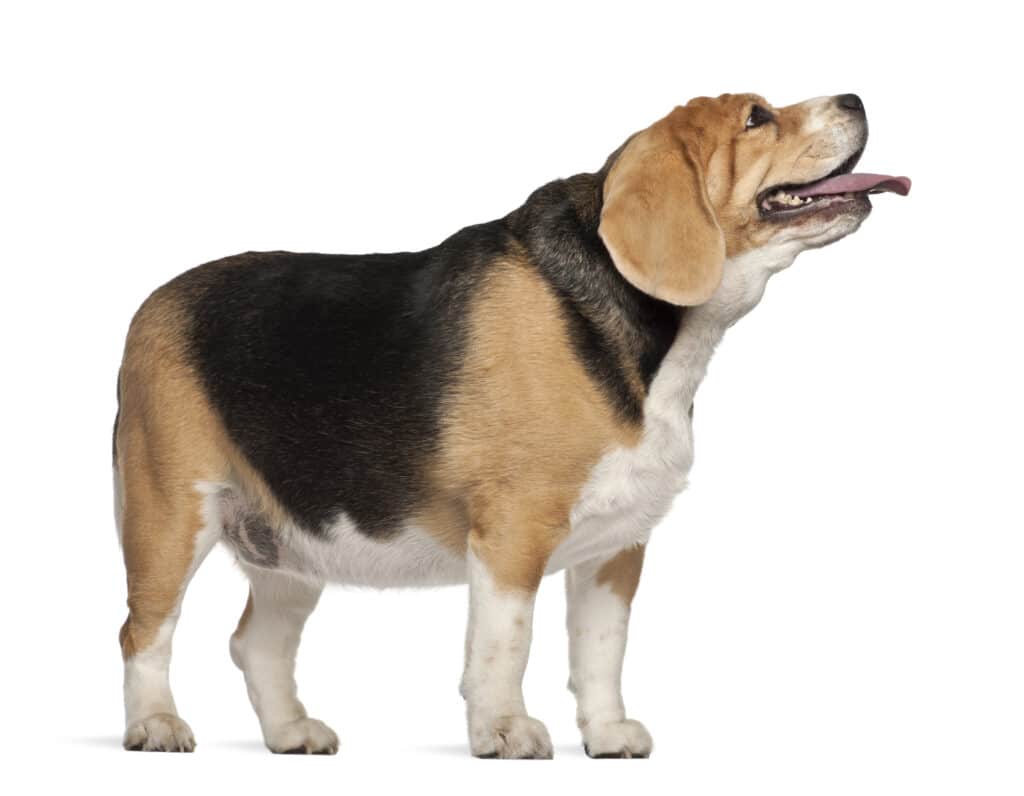
When is a dog considered obese?
To determine if a dog is obese, several factors must be considered. Obesity in dogs is defined as severe overweight with an excessive amount of body fat. If a dog’s weight is 20% or more above its ideal weight, it is generally considered obese.
To determine if your dog is overweight or obese, you first need to calculate the ideal weight for your dog’s breed and size. From there, you can compare that number to your pet’s actual weight. If the actual weight significantly exceeds this number, the dog can be considered overweight or even obese.
Signs such as breathing difficulties or an inability to move easily may indicate that your pet has reached an unhealthy level of overweight. If you suspect your dog is overweight or obese, it is best to consult a veterinarian to develop a plan for managing their diet and exercise routine to help them return to a healthy weight.
What if the ideal weight is reached?
If you have helped your beagle reach its ideal weight, that is an incredible achievement! They will not only look and feel better, but their health will greatly benefit as well. They will likely have more energy, a healthier coat, and fewer joint problems. With proper nutrition, exercise, and veterinary care, you can ensure your beagle maintains its ideal weight for years to come.
You should also regularly monitor their weight and adjust their diet or exercise as needed to maintain their optimal weight. It is important to remember that beagles tend to gain too much weight, so it is essential to stay vigilant to ensure they remain healthy. With proper care and monitoring, you can keep your beagle at a healthy weight for life!
How do overweight dogs behave?
Overweight dogs are a common problem in today’s society, and excess weight in dogs can lead to serious health issues. An overweight dog often behaves differently from a dog with a normal weight. They may be less active, sleep more, or become lazier. They can also become picky eaters or overeat. When an overweight dog goes for a walk or runs, it may struggle to keep up and tire quickly.
Obese dogs may also show signs of emotional distress, such as lethargy, depression, or anxiety, because they can’t move well. It is important for pet owners to recognize the signs of an overweight dog and take the necessary steps to help them lose weight to prevent serious health problems.
Delve into the care and health of your dog
When caring for a Beagle, it is important to pay attention to their health and well-being. Beagles are a very active breed, especially older, senior dogs, so it’s essential to ensure they get the right amount of food and exercise; not too much or too little. Make sure they receive protein-rich food, such as lean meats and grains, along with plenty of fresh fruits and vegetables.
If you choose to give your Beagle treats, try to select healthy options like low-sugar fruit snacks instead of candies packed with sugar or fat. For the care of long-haired Beagles, regular brushing can reduce shedding and keep the coat shiny and healthy. Finally, always ensure your Beagle has enough water available—dehydration can be very dangerous for dogs. With proper care, your chubby Beagle will stay happy and healthy!
The link between neutering and overweight
Neutering your beagle can increase the risk of overweight. When a dog is neutered, its metabolism slows down and it requires fewer calories to maintain its body weight. This means owners need to monitor their beagle’s diet more closely and adjust it if necessary to avoid overfeeding their dog.
Spaying also increases hunger hormones, which certainly does not help control the amount of food your beagle consumes, causing it to overeat. Therefore, neutering a beagle cannot help reduce the risk of overweight unless their calorie intake is reduced and their hunger is controlled.
The ‘knuckle method’ to assess your dog’s weight
Knowing your dog’s weight is important for maintaining its health. The knuckle method is a simple and effective way to assess your dog’s weight because it gives you an indication of whether it is at an ideal weight or overweight. To do this, you first need to know your dog’s ideal weight—which can vary by breed.
To start with the knuckle method, make a fist with your hand and feel your knuckles with your fingers. Then feel over the ribs of your standing or sitting dog and compare this with the sensation of your knuckles. If they feel similar, your dog may be underweight. To check if they have a healthy weight, place your hand flat on a table with the palm facing up and feel over the base of your fingers.
If your dog’s ribs feel about the same as this part of your hand, then they have an ideal weight for their breed. However, if their ribs feel thicker than this area of your hand, your dog is probably overweight and should lose some weight to stay healthy.
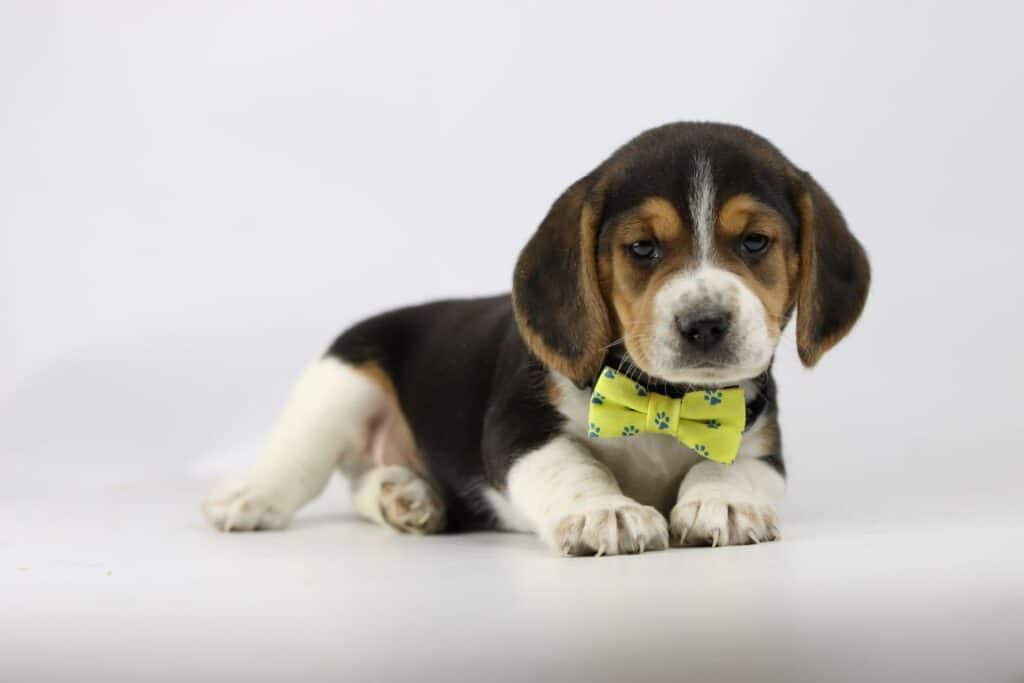

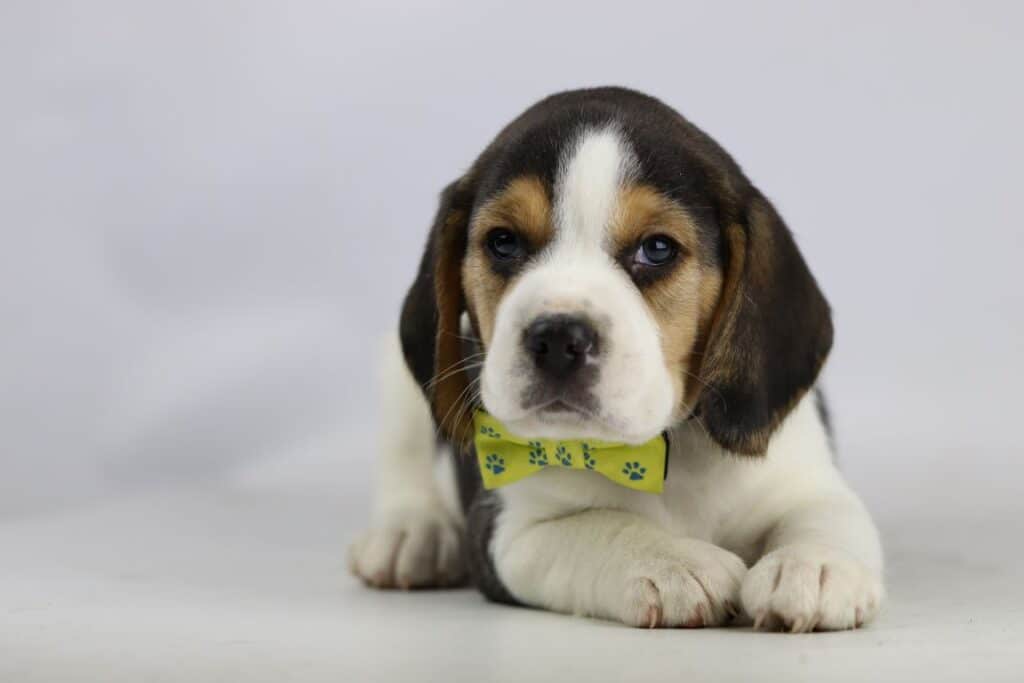



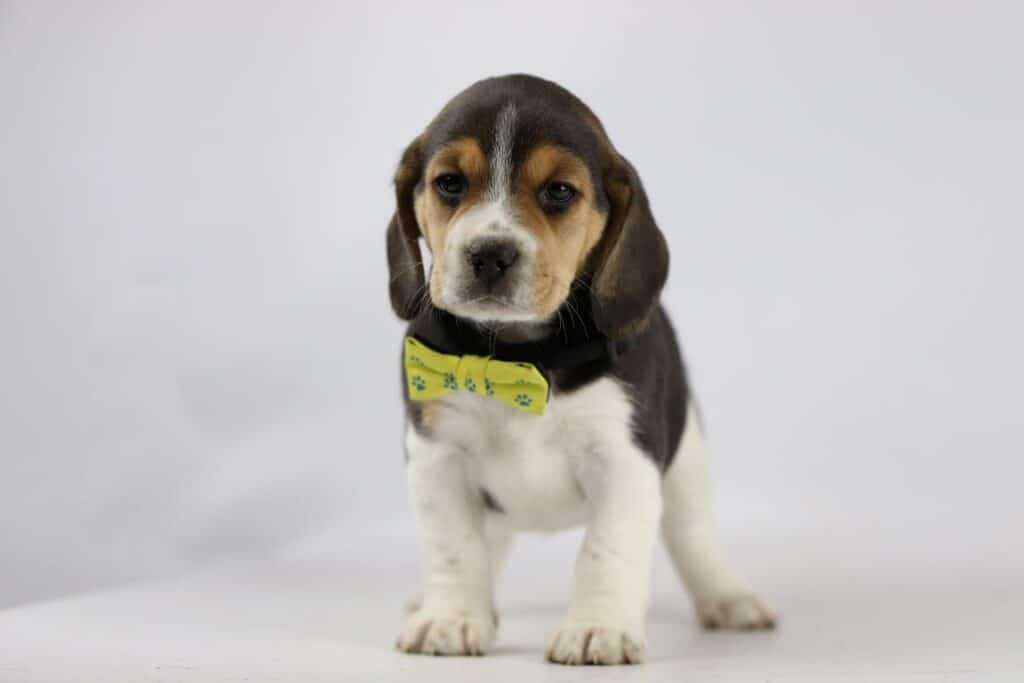


Dog too fat? Use these tips to make your dog healthy
Tip 1: buy special food for your Beagle
Tip 1 for caring for your Beagle is to buy food specifically made for them. Beagles love to eat, so it’s important to ensure they get the right nutrition and don’t gain too much weight. Special Beagle food usually contains fewer calories than regular dog food, while still providing the necessary vitamins, minerals, proteins, and carbohydrates. It can also include extra ingredients like glucosamine and omega fatty acids that can help support joint health.
Furthermore, this specially formulated food can help balance their diet by providing more fiber and other nutrients that may be lacking in ordinary dog food. By buying special food for your Beagle, he or she stays at a healthy weight and receives all the nutrients needed.

Tip 2: Weigh the food in advance
Weighing the food for your beagle beforehand is a good way to prevent overweight. If you know exactly how much food to give your dog, you can help keep him healthy and fit. Measuring meals allows you to accurately track how much your beagle is eating, making it easier to determine whether he needs more or less food. Additionally, this prevents overfeeding, which can lead to weight gain and other health issues.
Also make sure that the food you provide is suitable for the age and activity level of your beagle. Consult a veterinarian if necessary about the best diet for your pet. Once you know the right amount, weigh the portions in advance so you don’t have to worry about overfeeding at each meal. This tip will help ensure your beagle stays healthy and happy.
Tip 3: You decide when your dog eats
Tip 3 is about you deciding when your dog eats. This means you should be the one controlling when and how much your puppy eats, rather than letting them have free rein over their food intake. Try to limit treats to a maximum of 3 per day. Too many treats not only lead to an unhealthy puppy but also bad behavior, because they become dependent on snacks as rewards.
This can also lead to overweight, so it’s important to ensure your puppy eats healthily and exercises. It’s best to feed your puppy twice a day and try not to give too many leftovers from dinner or snacks throughout the day, as this can cause gastrointestinal problems or unhealthy weight gain. You should always maintain control over what and when your puppy eats—this way you can keep them healthy and happy!
Tip 4: Exercise, exercise, exercise
Tip 4: Exercise, exercise, exercise is a great way to keep your beagle healthy and at an ideal weight. Exercise is essential for all dogs, but especially important for beagles because they easily gain extra weight. A good rule of thumb is: the more exercise you give your beagle, the less weight they will carry.
Try to give your dog at least 30 minutes of exercise every day. This can range from walks to playing fetch or running around in the backyard. You can even take them on hikes or swimming if they feel like it! With regular exercise and physical activity, you help your beagle maintain a healthy weight and keep both its body and mind healthy.