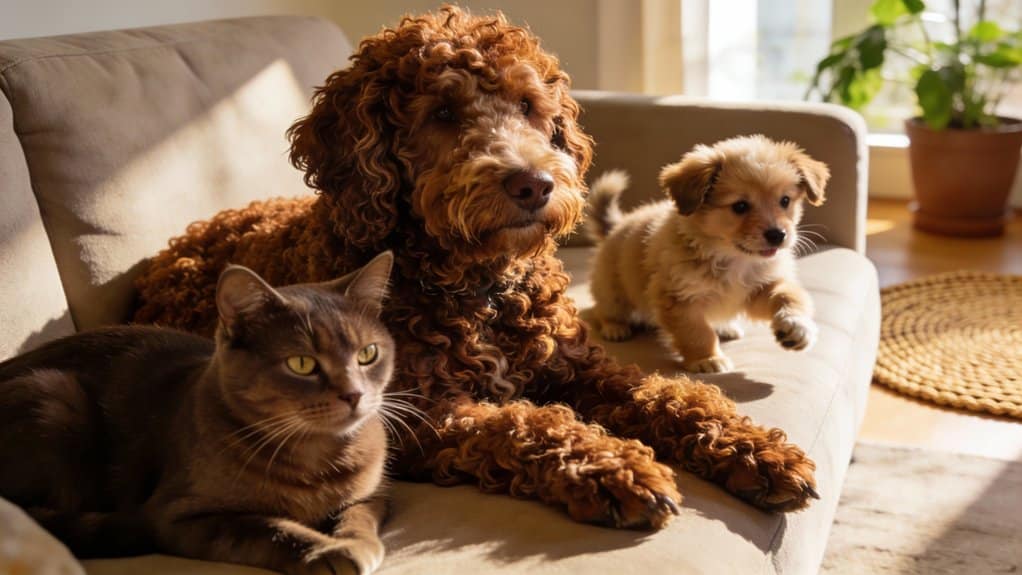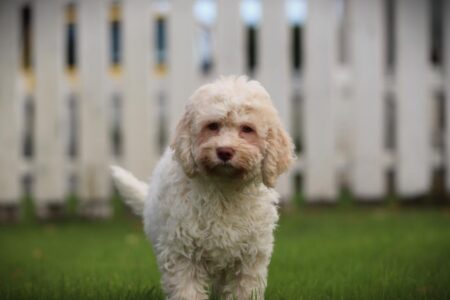
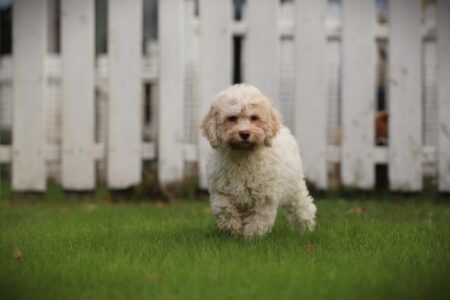

The dense, curly coat of your Lagotto needs short daily sessions (5–10 minutes) focused on the ears, armpits, tail base and flanks to prevent matting; use a wide-tooth comb, a slicker and a flexible rake, separate curls to expose the undercoat, and work in small sections with a firm base grip to avoid pulling the skin. Bathe every 6–8 weeks, dry completely with low heat and comb through, document persistent spots, and schedule monthly comb-outs or professional trims—more specifics follow if you want them.
Key points
- Brush daily for 5–10 minutes, focusing on the ears, armpits, tail base and flanks to prevent tangles and matting.
- Use a wide-tooth comb, a slicker brush and a metal comb in sequence to separate curls and remove loose undercoat.
- Isolate small sections, grip at the base and work from the skin outward with short, decisive strokes to avoid pulling.
- Bathe every 6–8 weeks, dry thoroughly using low heat and comb during drying to prevent moisture-induced matting.
- Schedule weekly structured comb-outs and monthly professional grooming for dense coats or recurring tangles.
Understanding the unique coat of the Lagotto Romagnolo

What distinguishes the Lagotto Romagnolo breed’s coat is the dense, woolly texture that repels water and traps dirt. You should recognize that coat density directly affects the risk of matting: a higher density creates firmer curls that tangle together and hold debris. Given the Lagotto’s temperament — focused, energetic, often working in soil — you will encounter more particles and moisture, which increases the potential for felting. Assess coat density by parting the hairs at the base and noting curl strength and the presence of an undercoat. That assessment directs the frequency of intervention and the choice of products. Prioritize prevention strategies tailored to density and behavior rather than reactive measures. Stay objective: measure, monitor, and adjust routines based on the coat’s response and the dog’s work pattern to maintain functional, non-discolored curls. Regular brushing reduces the risk of mats by preserving coat health and preventing felting.
Daily Brushing: A Simple Routine for Prevention

You prevent most mats with short daily sessions focused on tangles before they set. Use the right tools — a slicker brush and a metal comb — to work through curls without tearing the coat. Don’t forget hidden areas such as behind the ears, under the collar, and at the tail base when checking for developing tangles. Regular professional trims help maintain coat health and make daily brushing more effective by preventing excessive length and a tendency to felt.
Short daily sessions
Brush your Lagotto briefly every day for only 5–10 minutes to prevent matting and to keep the coat airy and textured. Use short daily sessions to catch tangles early and maintain the fiber layer; coat care becomes predictable and efficient. Focus on problem areas and work methodically.
- Focus daily on the ears, neck, armpits, tail base and flanks.
- Use consistent movements and check for moisture or dirt.
- Gently separate curls to expose the underlying fibers.
- Reward cooperation to reduce session length and stress.
- Watch for skin changes or persistent mats and take action.
Short daily sessions prevent progressive felting, reduce the need for intensive dematting and support a uniform, healthy coat structure. Be disciplined and analytical.
Use the right tools
The choice of tools makes the difference between a quick maintenance session and hours of detangling; choose tools suited to the Lagotto’s dense, curly texture. Prefer a coarse rake with wide teeth to work through the coat, a slicker brush with fine, slightly angled metal bristles for surface tangles, and a metal comb to check for fiber separation. Use ergonomic handles to reduce fatigue and sterilization-resistant tools to ensure hygiene. Develop a routine that pairs tool selection with handling strategies for cooperation — short commands, positive reinforcement and gradual exposure reduce resistance. Consider breeding factors when choosing tools: puppies from heavily coated lines need earlier desensitization and gentler tools. Use predictable strokes, avoid excessive pulling and replace worn tools to maintain effectiveness and protect the coat.
Check hidden areas
What should you look for when brushing a Lagotto? Systematically examine hidden areas and follow grooming checkpoints to prevent mats. Focus on narrow, often-missed zones where moisture and dirt collect. Inspect methodically and address problems immediately.
- Behind the ears: lift and spread the coat to reveal the skin and any tangles.
- Under the collar: part the coat at the transition between the neck and chest.
- Between the thighs and groin: check for matted hair and debris.
- Under the tail: gently feel for matted areas and skin irritation.
- Underarms and leg folds: press gently together to reveal trapped mats.
You use short, decisive strokes and a comb to isolate problem areas. Note persistent trouble spots and address them daily. Consistent, technical inspection reduces matting and skin problems.
Weekly and monthly grooming tasks to prevent mats

Once a week perform a structured brushing routine that focuses on loose undercoat and problem areas using a slicker brush and a comb. Each month schedule a deeper maintenance session to trim, check the skin and remove early felting before it sets. Stick to these intervals and you’ll prevent most mats while keeping the coat healthy and manageable. Coat Care for the Experienced Owner emphasizes that regular maintenance is key to preserving coat structure and preventing felting, especially in breeds prone to it such as the Lagotto Romagnolo, so include routine inspections in your grooming plan.
Weekly grooming routine
A consistent weekly brushing routine prevents tangles from tightening into mats and keeps the dense, curly coat of your Lagotto Romagnolo healthy. You follow a precise coat-care plan within your grooming schedule: inspect, detangle and align the curls to prevent matting. Use a slicker brush for surface dirt, a stainless-steel comb for the roots and your fingers to check the skin. It is also essential to pay attention to the key characteristics of Labradoodles, such as their social nature and intelligence, which make them excellent companions. Regular coat care is not only about preventing tangles but also about fostering a strong bond between you and your Lagotto Romagnolo. This keeps your dog not only looking good but also happy and well cared for.
- Start with a visual inspection and run your hands over the coat.
- Brush in sections, working with short strokes from the skin outward.
- Tackle small tangles immediately with a comb, not scissors.
- Watch friction-prone areas: behind the ears, under the armpits and at the base of the tail.
- Finish with a gentle blow-dry on a low setting to set the curls and check that no hidden mats remain.
Be consistent; weekly discipline prevents escalation.
Monthly deep maintenance
How often should you perform deeper maintenance in addition to your weekly brushing? Monthly deep maintenance is essential: schedule a focused session every 4–6 weeks to inspect undercoat density, detect early matting, and address problem areas. Systematically detangle, give targeted trims around the ears, legs and tail, and have a professional comb-through to separate closely packed hairs. Debunk common myths that monthly work is optional; consistency prevents irreversible matting. Apply basic grooming psychology principles: dogs tolerate short, predictable sessions better, so keep procedures regular and reward-based. Use appropriate tools, moderate tension, and document problem areas for trend analysis. If matting recurs despite monthly maintenance, enlist a trained groomer to prevent coat damage and preserve skin health.
Essential brushes, combs and tools for grooming the Lagotto’s coat

The tools you choose determine how manageable your Lagotto’s coat remains; choose ones designed for curly, dense hair. You need specific tools to fight tangles, support coat health, and to properly maintain the tools themselves.
- Slicker brush: removes surface dirt and smooths curls without cutting the hairs.
- Wide-toothed comb: detangles safely at the coat base; prevents tearing.
- Mat rake: tackles small mats; use sparingly to avoid stressing the hairs.
- Slicker brush with flexible pins: preserves the curl structure and springiness.
- Grooming scissors with rounded tips: trim problem areas and neaten edges.
Choose stainless steel or coated metal tools to resist corrosion. Check the alignment and tension of the teeth weekly for consistent performance. Replace worn items promptly to protect the integrity of the coat and your handling speed. Good nail care is also essential for overall grooming and comfort, so include regular nail trims in your routine: https://www.woefkesranch.be/nagelverzorging-lagotto-romagnolo/
Gentle, effective techniques to work out mats

Do you want to remove mats without stressing your Lagotto’s coat? Use a systematic, gentle detangling approach: isolate small sections, hold the base to avoid pulling the skin, and work from the tips toward the roots. Start with a coarse comb or detangling brush to loosen fibers, then refine with a slicker or metal comb. Apply a water-based detangling spray sparingly to reduce friction; avoid oils that attract dirt. For mats, gently loosen the bordering edges with a mat splitter or blunt-tipped scissors only when they are small and localized — lift the coat and cut parallel to the skin to avoid cutting the skin. Keep tension on the coat and use short strokes; stop if resistance increases and reassess your technique. Regular inspection and consistent technique reliably prevent mats and preserve the integrity of the coat. Remember that Lagotto Romagnolos often excel in activities like agility, so keeping their coat manageable helps support their natural agility and overall performance.
When to clip, trim, or seek professional grooming

Decide between shaving or professional help based on the condition of the coat, your skill level and the dog’s comfort; if curls are matted down to the skin, the skin is irritated, or you cannot safely cut without pulling, enlist a groomer. Determine clipping frequency based on coat density, the season and how quickly mats form. The clipping schedule depends on growth rate and functional needs (head, feet, sanitary areas). If in doubt, choose professional help to avoid skin damage. It’s also important to regularly check and care for your dog’s ears, eyes and nails. For dogs like the Lagotto Romagnolo there are specific clipping techniques that suit their unique coat type. If you are considering welcoming a new companion, take a look at the available Lagotto Romagnolo puppies for sale.
- Severe matting down to the skin → immediate professional clipping
- Localized mats with healthy skin → targeted trimming if you are skilled
- Frequent re-matting → adjust the clipping schedule to shorter intervals
- Anxious or sensitive dogs → use a groomer experienced with Lagotto
- Skin lesions or infection → refer to a veterinarian/groomer
Consider giving your Lagotto appropriate chew and mentally stimulating toys to reduce stress-related matting and destructive chewing behavior, such as https://www.woefkesranch.be/speeltjes-lagotto-romagnolo/. Providing challenging toys can help channel the intense energy and curiosity of this breed. Kenmerken van de Lagotto Romagnolo, such as their intelligence and eagerness to learn, make it important to stimulate them with varied and interactive play. This allows them to express their natural behavior without becoming destructive.
Preventive care: bathing, drying and lifestyle tips

How often should you wash and dry a Lagotto to keep its woolly curls healthy? Only bathe when it is dirty or every 6–8 weeks to avoid removing the natural oils; use a pH-neutral, low-residue shampoo. Rinse thoroughly and apply conditioner sparingly to reduce tangles. Maintain a consistent washing routine so the skin and coat remain stable.
For drying technique, first blot dry with a towel, then use a high-velocity dryer on low heat while gently brushing with a wide-toothed comb to separate the curls and prevent matting. Dry completely — moisture promotes felting. Maintain preventive care between baths: quick daily brushing, combing through monthly, and extra attention to areas with high friction (armpit area, behind the ears). Monitor the skin for irritation and schedule professional grooming if mats form or the coat becomes denser. Clean the ears gently and regularly to prevent moisture-related issues and reduce the risk of infections.
Frequently Asked Questions
Can Lagottos develop allergies to brushes?
Yes — it is possible that Lagottos can develop allergies to brushes; contact irritation or sensitivity to materials can occur. Diagnosis is made by elimination, testing hypoallergenic brushes, and consulting a veterinarian for appropriate treatment.
Are special nutritional supplements necessary for a healthy coat?
No — they are not always necessary. First assess the diet, adjust grooming and nutrition as needed, and use nutritional supplements for health only when there are deficiencies or dermatological indications. Consult your veterinarian and monitor bloodwork and skin reactions.
How does having puppies affect coat care?
You should apply more intensive puppy care; introduce coat maintenance routines early, prevent matting and teach the dog to tolerate brushing and trimming procedures. Schedule regular sessions, use appropriate tools and document progress. Water dogs and their characteristics make them particularly suitable for certain grooming methods. Their dense, curly coat requires specific techniques to both prevent mats and preserve the natural water-repellent properties. It is essential during grooming to pay attention to their unique needs so they stay healthy and happy. Lagotto Romagnolo traits and behavior are also important in grooming; they are known for their intelligence and energy, which calls for a careful approach during grooming sessions. It is crucial to regularly stimulate these dogs, both physically and mentally, so they develop well and can express their natural behavior. By taking their playful nature into account, you make grooming a positive experience for both the dog and the groomer.
Are scissors or clippers better for sensitive areas?
You usually choose scissors for sensitive areas; scissors vs. clippers: scissors provide precise control and less skin irritation, while clippers are faster but carry a higher risk of clipper nicks and can cause more stress.
Is trimming allowed for dog shows or pedigree regulations?
Yes, you may trim provided you follow the trimming rules and show rules; you check the breed standard, pedigree requirements and judging guidelines, use recognized techniques and note changes for judges to avoid disqualification.