Have you just brought a Lagotto Romagnolo into your home or are you considering getting one? That beautiful curly coat is one of the most distinctive features of this breed – but it also requires attention. In this comprehensive blog I share everything you need to know about Lagotto Romagnolo coat care: from weekly brushing to trimming, bathing and preventing mats. It’s essential to develop a grooming routine so your Lagotto Romagnolo stays healthy and happy. In this blog you’ll also find useful tips for Lagotto coat care that help keep the curly coat in top condition. Remember that regular care not only benefits his appearance but also contributes to his overall well-being.
Why coat care for the Lagotto is so important
The Lagotto Romagnolo has a unique, woolly and curly coat that does not shed like most other breeds. That may sound ideal, but it does mean that dead hair remains trapped in the coat and regular maintenance is required. Without proper care, mats and felted spots develop quickly, which is unpleasant for both you and your dog. With the right approach you keep that coat healthy, shiny and comfortable.

The distinctive coat of the Lagotto Romagnolo
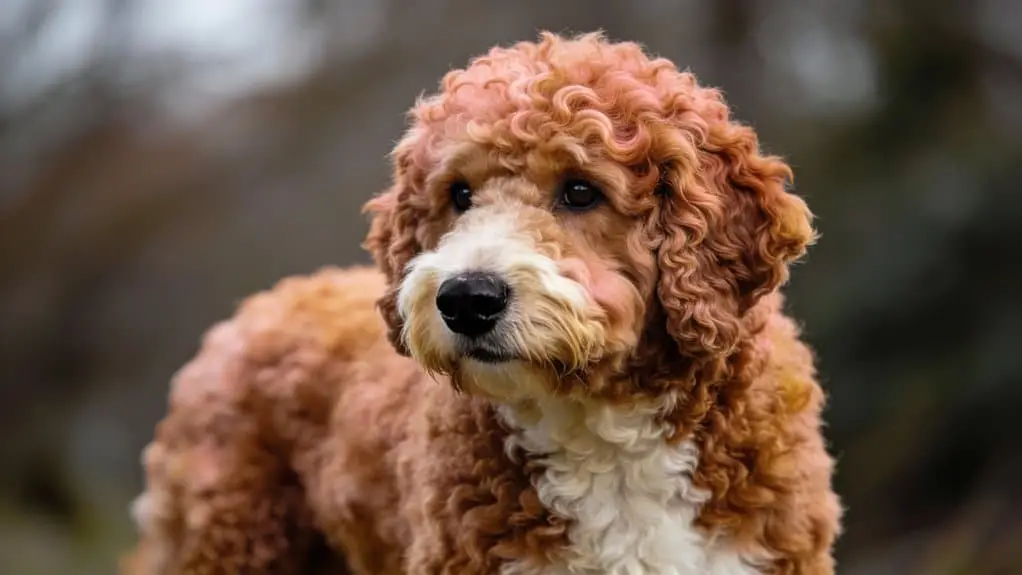
The coat of the Lagotto is dense, curly and water-repellent. It consists of a topcoat and an undercoat that together form a protective layer. This once made the breed suitable as a water dog and later as a truffle hunter in the field.
What makes the Lagotto coat unique:
- The coat does not shed, but dead hair remains trapped in the curls
- The curls are woolly and have a semi-rough texture
- The coat is naturally water-repellent
- The adult coat only fully develops around the age of 2 to 2.5 years
Because the coat does not shed, the Lagotto is sometimes labeled as “hypoallergenic”. However, that is a misconception: allergic reactions to dogs are caused by dander, saliva and urine, not just hair. A Lagotto can therefore still cause allergic reactions.
Weekly brushing and combing
Regular brushing and combing are the foundation of good Lagotto Romagnolo coat care. In my experience, combing the coat once a week is the absolute minimum to prevent matting and felting.
Here’s how to do it:
- Place your dog on a stable surface (grooming table or elevated surface)
- Use a coarse comb with wide teeth to work through the coat
- Check for mats, especially behind the ears, in the armpits, between the hind legs and under the tail
- Work systematically from head to tail so you don’t miss any spots
- Finish with a comb with finer teeth for the finishing touch
Golden tip: don’t brush too vigorously with a stiff brush. This can damage the breed’s characteristic curl and make the coat frizzy. Preferably use a comb and work carefully through the curls.
If your dog spends a lot of time outdoors, swims, or runs through tall grass, it’s wise to check more often for twigs, grass awns (foxtails) and early mats. Especially in summer, grass awns can work deep into the coat and even penetrate the skin.
Clipping and trimming: how often and why?
The coat of the Lagotto Romagnolo grows continuously and therefore needs to be regularly clipped or shaved. Most owners have their Lagotto trimmed four to six times a year; some opt for three to four times a year if the coat is kept short.
Options for trimming:
- Grooming salon: Leave it to an experienced groomer who is familiar with the breed. Not every groomer knows the typical Lagotto coat, so ask about experience in advance.
- Do it yourself: With the right scissors and clippers you can also maintain the coat yourself. Start with YouTube tutorials and gradually build up experience.
Considerations when trimming:
- Don’t keep the coat too long; this increases the chance of matting and felting
- A short coat is easier to maintain, but you’ll miss the characteristic “rustic” look
- Trim the hair around the eyes regularly so your dog can see properly
- Keep the paws clean and trim the hair between the toes short
In my experience it’s useful to do small touch-ups between grooming sessions yourself: a tuft by the eyes, some hair at the paws, or an emerging mat that you snip away. This keeps the coat tidy and helps your dog get used to the process.
Ear care: needs extra attention
The Lagotto Romagnolo has hanging ears with a lot of hair on the inside. This makes the ears prone to build-up of dirt, moisture and earwax. Regular checks and cleaning are therefore essential.
How to care for the ears:
- Check the ears at least once a week for dirt, redness or an unusual smell
- Carefully remove the hair that grows into the ear canal once a month (pluck or trim)
- Clean the outside of the ear with a damp cloth or a special ear cleaner for dogs
- Always dry the ears thoroughly after swimming or bathing
Note: never use cotton swabs in the ear canal. This can push dirt deeper and damage the skin. If in doubt or if there are signs of infection (red skin, bad smell, excessive scratching) consult your veterinarian.
Bathing and washing
A Lagotto does not need frequent baths. Washing too often with shampoo removes the natural oils that protect the coat and skin, and can even cause skin irritation.
When to bathe?
- If the coat is really dirty or smells bad
- After a mud bath or if the dog has rolled in something dirty
- On average, once a month is more than enough for most Lagotti
Step-by-step plan for bathing:
- First comb the coat thoroughly and remove any mats
- Wet the coat with lukewarm water
- Use a mild dog shampoo (not a human shampoo)
- Massage the shampoo well into the coat and rinse thoroughly
- Apply a conditioner – this makes detangling easier and adds shine
- Rinse the conditioner out well
- Pat the coat dry with a towel
- Preferably let the coat air dry; use the hairdryer only on a low setting and not too close
Important: do not completely dry the coat with a water blower or a powerful hairdryer. This can damage the curl structure and make the coat frizzy. Preferably let the coat dry naturally and then comb through gently.
Preventing tangles and matting
Tangles and matted areas are the biggest challenge in Lagotto Romagnolo coat care. If you don’t keep up with brushing and combing, early tangles can quickly develop into stubborn mats that can only be removed with scissors or clippers.
How do you prevent tangles?
- Comb the coat weekly with a wide-toothed comb
- Check for twigs, leaves and grass awns after every walk
- Pay extra attention to problem areas: behind the ears, armpits, groin, under the tail
- Always dry the coat well if your dog has gotten wet
- Don’t keep the coat too long; a shorter coat is less likely to mat
What if there are tangles anyway?
- Try to gently work small mats apart with your fingers or a wide-toothed comb
- If needed, use a detangling spray or conditioner to make the hair more pliable
- Work from the outside in: start at the ends and work toward the skin
- Stubborn mats are better cut away than combed out – this is less painful for your dog
Nails, teeth and general care
Besides the coat, nails, teeth and other body parts also need attention.
Nails:
- Check the nails every two weeks
- Trim them if they become too long (you can hear them clicking on hard floors)
- Use a good nail clipper or file for dogs
Teeth:
- Brush the teeth regularly with a dog toothbrush and special toothpaste
- Give chew treats that help keep the teeth clean
Eyes:
- Check that hair is not hanging in the eyes and trim it if necessary
- Remove tear fluid and dirt with a damp cloth
Puppies and coat care: start early
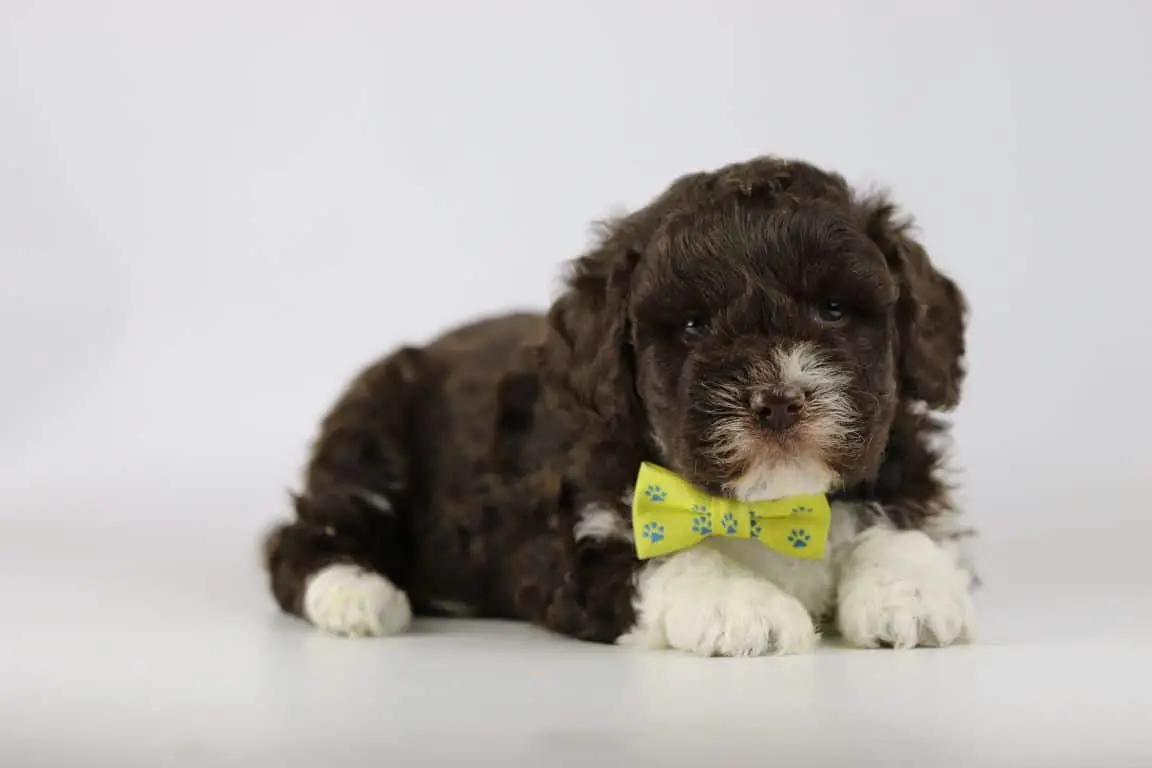
Start early in getting your Lagotto puppy used to coat care. The earlier you start, the easier it will be later. A puppy used to brushing, combing, nail trimming and ear checks will accept this as an adult dog without stress.
Tips for puppies:
- Put your puppy on a table regularly and let him get used to being brushed
- Reward calm behavior with treats and praise
- Keep sessions short and positive
- Regularly touch the paws, ears, and mouth so he gets used to it
The puppy coat is still soft and mats less easily, but around 8 to 12 months the coat changes to an adult texture. Especially during this transition period extra attention is needed, because the coat can then mat more quickly.
Supplies for Lagotto coat care
With the right tools coat care becomes much easier. This is what I recommend:
- Coarse comb with wide, rotating teeth
- Fine comb for the finishing touch
- Good scissors (straight scissors and optionally thinning scissors)
- Clipper with guide combs (if you trim yourself)
- Mild dog shampoo and conditioner
- Detangling spray
- Ear cleaner for dogs
- Nail clippers or a nail file
- Soft towels
A quality brush like the green Les Poochs brush is praised by many Lagotto owners, but it is not strictly necessary. More important is that you are consistent in maintenance.
Frequently asked questions about Lagotto Romagnolo coat care
1. How often should I brush my Lagotto?
At least once a week is recommended. If your dog spends a lot of time outdoors or swims, check more often for mats and dirt.
2. Does a Lagotto Romagnolo shed?
No, the Lagotto does not shed in the traditional way. Dead hair stays trapped in the coat and must be brushed or clipped out.
3. How often should a Lagotto go to the groomer?
Most owners have their Lagotto trimmed four to six times a year. With a shorter coat, three to four times a year may be sufficient.
4. Can I blow-dry my Lagotto after bathing?
Preferably not on a high setting or with a water blower. This can damage the curl structure. Ideally let the coat air dry or use the hairdryer on a low setting.
5. How do I prevent ear problems in my Lagotto?
Check the ears weekly, remove the hair from the ear canal monthly, and always dry the ears thoroughly after swimming or bathing.
Want to know more about the Lagotto Romagnolo?
Now that you know how best to care for your Lagotto Romagnolo’s coat, you’re one step closer to a happy and healthy dog. Want to read more about the temperament, training, or the health of this special breed? Then check out my comprehensive guide on the Lagotto Romagnolo.