







Beagles are known for their vocal abilities and the beagle bark, a trait that, while endearing, can pose challenges within a household environment.
The key to harmonizing this innate behavior lies not in suppression, but in understanding and guidance. This treatise aims to uncover the complexity behind Beagles’ barking and howling, highlighting the drivers that prompt such expressions and the methods by which they can be effectively managed.
As we explore the landscape of positive reinforcement and the strategic teaching of ‘quiet’ commands, a renewed perspective on Beagle communication emerges, offering promising paths toward a more serene coexistence.
What follows is a journey to the heart of the Beagle behavior, offering solutions that resonate with their instinctive needs.
Key points
- Identify barking triggers and use tailored positive reinforcement for effective behavior change.
- Reward consistent silence or calm behavior with treats, praise, or play to encourage calmness.
- Use the command ‘Quiet now!’ during barking episodes and reward longer periods of silence.
- Address underlying issues such as separation anxiety with routines, desensitization, and a strong bond between owner and Beagle.
Understanding Beagle Barking
Deciphering the reasons behind a Beagle barking is essential to effectively address and modify this common canine behavior. By analyzing vocalizations, much can be revealed about what your Beagle is trying to communicate — whether it is fear, boredom, a greeting, playfulness, or a protective instinct. Understanding these triggers is the first crucial step in tailoring behavior modification strategies that specifically meet your dog’s needs.
It is important to approach this with empathy and to recognize that every bark has a purpose in your Beagle’s mind. With these insights, owners can develop a more informed, compassionate strategy for managing their Beagle’s barking, applying techniques that address the cause rather than merely suppressing the symptom. This thoughtful approach fosters a harmonious living environment for both the Beagle and its family.
Addressing Barking Behavior
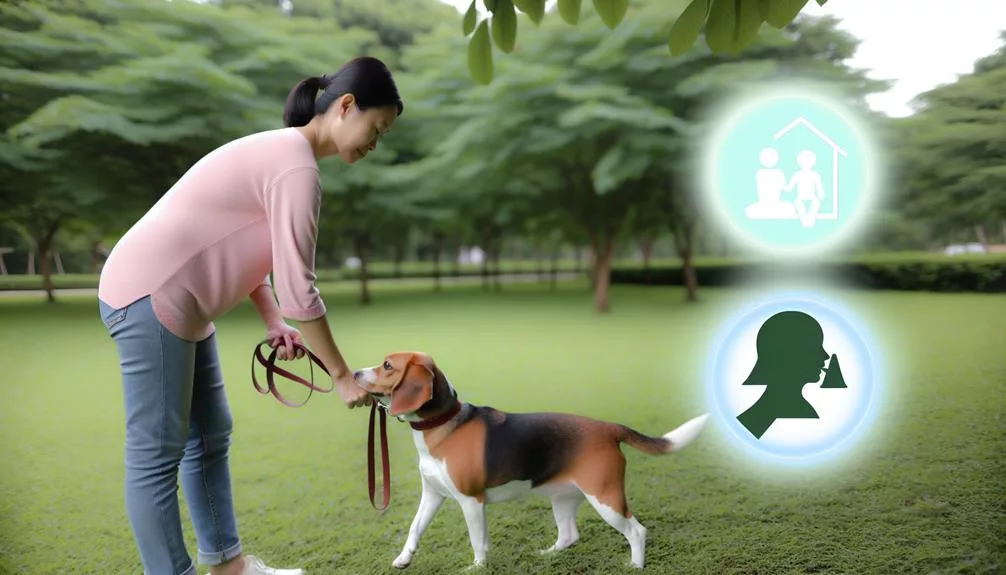
Addressing a Beagle’s barking behavior requires a nuanced understanding of the underlying causes and the implementation of targeted training strategies. Identifying triggers is the first critical step; whether it is fear, boredom, greeting, play, or protection, understanding what prompts your Beagle to bark enables a strategic approach to training.
Consistently responding to barking is equally important. Beagles, driven by their instincts, benefit greatly from a consistent training routine that addresses the specific reasons for their barking. Without consistency, attempts to change behavior can confuse your pet, resulting in more frequent and varied barking.
This approach fosters a stable environment in which your Beagle can learn when and why it may bark, creating a harmonious relationship between pet and owner.
Techniques for positive reinforcement

In the realm of dog training, positive reinforcement techniques stand out as a highly effective strategy for teaching Beagles to regulate their barking behavior. This method, rooted in empathy and understanding, uses reward-based training to guide behavior change without stress or fear. By encouraging silence through positive reinforcement, owners can build a stronger, more communicative bond with their Beagles.
- Use treats and praise to reward moments of silence or reduced barking.
- Offer toys or playtime as an incentive for calm behavior.
- Implement a consistent routine to help your Beagle understand expectations.
- Gradually increase the duration of quiet behavior before rewarding, to encourage longer periods of silence.
- Use positive verbal cues such as ‘good, quiet’ to reinforce the desired behavior.
Anti-bark collar without shock

Giving Quiet Commands

Mastering the command ‘Quiet now!’ offers an important strategy for Beagle owners who want to gently reduce their pet’s barking through clear, compassionate communication. This approach is based on behavior modification and quiet-training techniques, providing a method that respects the dog’s natural instincts and promotes a peaceful household.
| Step | Action | Result |
|---|---|---|
| 1 | Introduce ‘Quiet now!’ during calm moments | Prepares the Beagle to associate with the command |
| 2 | Use the command when the barking starts, then reward the silence | Reinforces recognition of the command |
| 3 | Gradually increase the duration of silence required for a reward | Improves behavior modification |
| 4 | Add distractions to test the strength of the command | Strengthens training across different environments |
| 5 | Consistent practice and patience | Achieves lasting success in quiet training |
This structured approach not only fosters a deeper bond between the owner and the Beagle, but also contributes to a more harmonious living environment.
Coping with separation anxiety

Understanding and countering separation anxiety in Beagles requires a strategic approach due to their strong need for companionship and attention. Addressing this issue involves using coping strategies and behavioral adjustments aimed at managing loneliness. By understanding the specific needs of Beagles and applying effective training progressions, owners can significantly reduce the impact of separation anxiety on their pets.
- Establish a Routine: Consistency helps reduce anxiety.
- Gradual Desensitization: Let your Beagle slowly get used to being alone.
- Create a Safe Space: Provide a comfortable place that feels secure.
- Interactive Toys: Keep them engaged and mentally stimulated.
- Professional Guidance: Sometimes consulting a canine behavior specialist is necessary for tailored advice.
Applying these strategies shows empathy for your Beagle’s needs and promotes a healthier, happier relationship.
Correcting Unwanted Actions

Correcting unwanted actions in Beagles requires a comprehensive approach that involves identifying the causes of this behavior and implementing targeted training strategies to address them.
Behavior modification is central to this process, as it focuses on changing the dog’s response to specific triggers that lead to unwanted actions.
Essential training tips for Beagle owners include using positive reinforcement to encourage good behavior, the importance of consistency in training sessions, and the need for patience, as behavior modification takes time.
Understanding the reasons why your Beagle barks or misbehaves — whether from fear, boredom, or the need for attention — is crucial. Avoid punishment and focus on positive methods for long-term success.
Exploring training resources
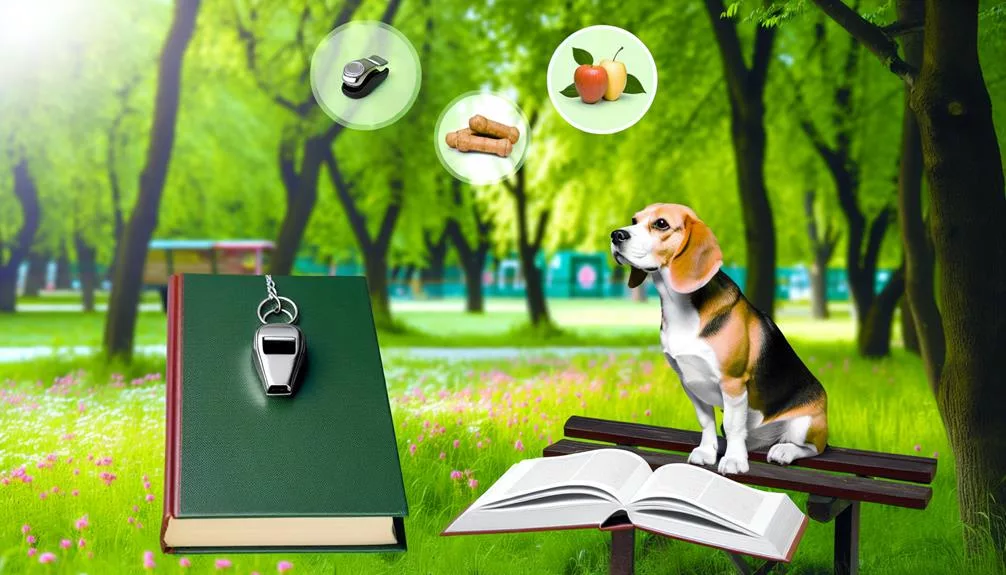
Diving into the right training resources can significantly contribute to your approach to effectively manage and modify your Beagle’s barking behavior. Access to a variety of tools and methods tailored to Beagles can turn the training experience from a challenging endeavor into an enjoyable journey of bonding and understanding.
- Books and e-books about Beagle behavior: Comprehensive guides that delve into the psychological aspects of Beagles and offer insights into behavior modification.
- Online courses: Interactive training sessions led by professional trainers who specialize in Beagles.
- Training apps: Mobile applications that provide step-by-step tutorials for learning on the go.
- Professional consultations: Personalized advice and strategies from canine behavior experts.
- Community forums: Platforms to share experiences, tips and support with other Beagle owners.
Each resource is a stepping stone toward nurturing a harmonious relationship with your Beagle, where patience, consistency and empathy are central.
Frequently Asked Questions
How can weather or environmental factors influence a Beagle’s barking habits?
Weather conditions and environmental factors, such as seasonal allergies and noise pollution, can have a significant effect on a Beagle’s barking habits. Understanding these triggers is essential for effectively managing and training Beagles to minimize unnecessary barking.
Are there specific dietary changes that can help reduce excessive barking in Beagles?
Specific dietary changes alone cannot directly reduce excessive barking in Beagles, but a balanced diet combined with regular exercise routines can address barking triggers related to boredom or excess energy.
Can certain dog breeds influence a Beagle’s barking behavior when they interact with each other?
Interactions with different dog breeds can indeed affect a Beagle’s barking behavior, as social dynamics and play intensity vary. Understanding these interactions is essential to address and modify a Beagle’s responses to their canine companions.
How does a Beagle’s age affect its ability to learn to keep barking under control?
The age of a Beagle has a significant impact on its ability to learn bark control. Early puppy socialization and consistent positive reinforcement are essential when teaching desirable behavior, and increase the effectiveness of training during their formative months.
What role do a Beagle’s health and well-being play in their tendency to bark excessively?
A Beagle’s health and well-being have a significant influence on its barking behavior. Genetic predisposition and insufficient exercise routines can lead to excessive barking. Therefore, it is essential to provide appropriate care and regular physical exercise for behavior management.