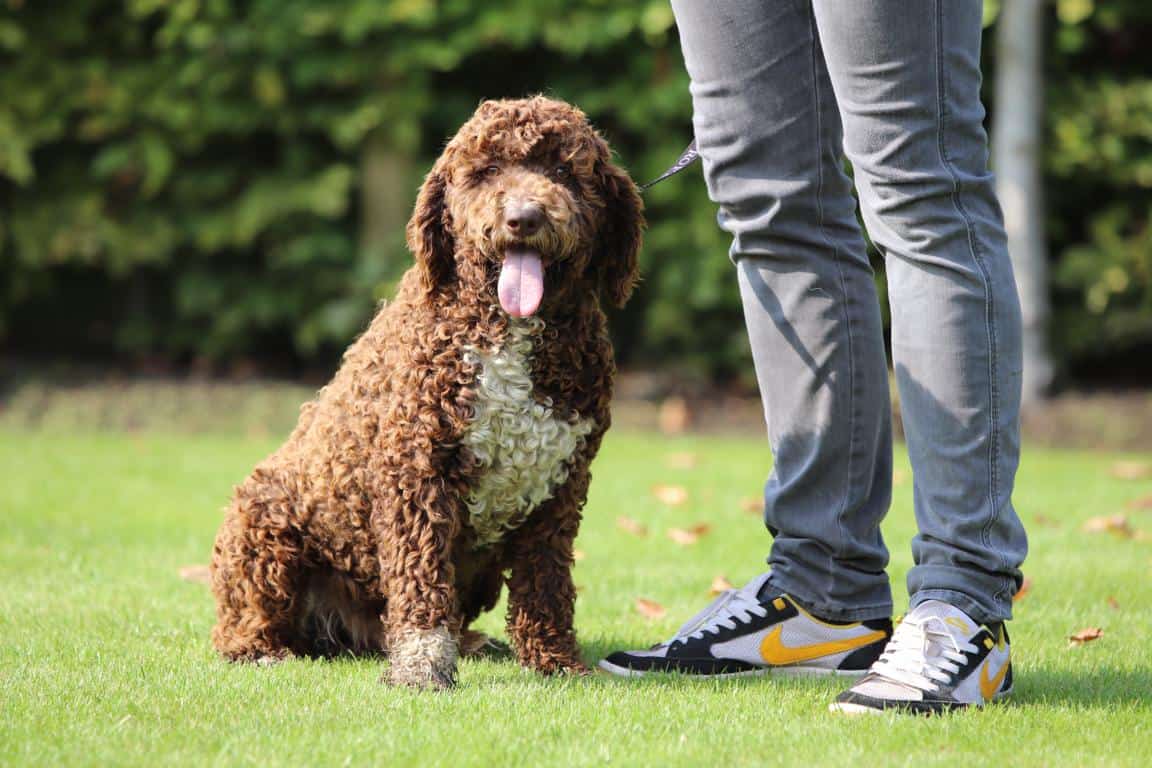
Are you looking for a cheerful, family-friendly dog but don’t know which of these two popular doodles suits you better? Labradoodle and cockapoo are often confused, and that’s not surprising! Both breeds combine intelligence with a playful character, making them ideal companions for families.
They are both incredibly social and thrive on human contact, an experienced breeder emphasizes. Yet there are subtle differences. Did you know, for example, that the size of these dogs can vary considerably? Or that their coat care demands differ? And which one best fits your daily routine?
In this article you will discover:
- How to tell the two breeds apart
- Practical tips on exercise and suitable food for these breeds
- Important health aspects per type
- Handy comparison tables for quick decisions
Ready to find your perfect match? Let’s put these two special dogs side by side!
Key points
- Both breeds are intelligent and suitable for families
- Differences in size and coat maintenance
- Average life expectancy of 12-15 years
- Daily exercise is essential for both types
- Always choose a reputable breeder
Introduction to the Doodle Breeds
Do you know those fluffy dogs with curls and a mischievous look? Those are doodles — not an official breed, but clever mixes of poodles with other popular breeds. They combine the best of both worlds: the intelligence of a poodle and the playful nature of, for example, a Labrador or cocker spaniel.
The first labradoodle appeared in the 1980s in Australia as hypoallergenic guide dog. Cockapoos originated slightly earlier in America. Both types are now loved worldwide for their cheerful temperaments. What makes them so special?
| Characteristic | Labradoodle | Cockapoo |
|---|---|---|
| Origin | Labrador + Poodle | Cocker Spaniel + Poodle |
| Coat type | Wavy to curly | Soft curls |
| Family dog | ✓ | ✓ |
Many people choose these dogs because of their so-called hypoallergenic coat. Although no breed is 100% allergy-free, doodles do shed less. However, their woolly coat does require weekly brushing to prevent matting.
Whether you have a busy family or enjoy long walks: these energetic four-legged companions adapt easily. Are you ready for a furry housemate who always has its nose in your activities?
History and Origin

Did you know that these popular dogs have their roots in different parts of the world? The stories behind these crossbreeds are just as fascinating as their personalities. Let’s go back in time to see how they came about.
Labradoodle: An Australian Experiment
In the 1980s breeder Wally Conron came up with something special. He crossed a Labrador with a Poodle to create a hypoallergenic guide dog. This first labradoodle proved to be a success: smart, friendly and suitable for people with allergies.
Cockapoo: American Success Story
On the other side of the ocean the cockapoo emerged in the 1960s. Breeders wanted a family dog with the gentle nature of a cocker spaniel and the intelligence of a Poodle. The result? An enthusiastic companion that quickly won hearts.
| Characteristic | Labradoodle | Cockapoo |
|---|---|---|
| Country of origin | Australia | United States |
| Parent breeds | Labrador + Poodle | Cocker Spaniel + Poodle |
| Purpose | Guide dog | Family dog |
Experienced breeders play a crucial role. They carefully select the parent breeds to ensure healthy puppies with stable temperaments. A good breeder for example tests for hereditary conditions and socializes the puppies early.
Why is this important? Because the breeder’s knowledge directly affects the quality of the dog. Are you choosing a puppy? Always ask about the background of both the parents and the breeder!
Appearance and Coat Characteristics

Have you ever wondered why these dogs have such varied looks? The secret lies in their unique coat characteristics. Whether you prefer tight curls or soft waves, these mixes offer something for everyone.
From Curls to Waves
The texture of the coat varies widely. Some have tight curls like a standard poodle, others have soft waves or even straight hair. This depends on which parent is dominant. Curly types shed less, but do require daily brushing.
A Rainbow of Colors
From creamy white to deep chocolate brown, the color palettes are endless. Sometimes you even see two-tone patterns or sable shades that change with the seasons. A litter of puppies can have four different colors!
| Feature | Curly | Wavy |
|---|---|---|
| Grooming | Brush daily | Every 2 days |
| Allergy-friendly | ✓ | ✓ |
Helpful tip: Start early to get your dog used to the brush. That way grooming becomes a pleasant moment instead of a struggle. Always use a suitable comb for your dog’s coat and ask the grooming salon for advice.
Which coat fits your routine? A busy family often chooses shorter waves that require less maintenance. Do you have time for daily grooming? Then those beautiful curls are really worth it!
Size and Weight Comparison

Did you know that the size of your future housemate can make a big difference in your daily life? In these mixes the size can vary considerably from compact cuddle companions to sturdy walking partners. Let’s take a closer look at the sizes!
Labradoodle Sizes
This cross grows into a sturdy companion. Standard variants reach 55-65 cm in height and weigh 25-45 kg. Miniature types remain more compact (30-45 cm) with a weight of 6-20 kg. Note: an F1 generation (50% poodle) is often somewhat smaller than later generations.
Cockapoo Sizes
Here you will find more choice in sizes. Standard Cockapoos are 28-35 cm tall (9-15 kg). Perfect for those looking for a compact companion !
| Type | Height | Weight |
|---|---|---|
| Labradoodle Mini | 30-45 cm | 6-20 kg |
| Labradoodle Standard | 55-65 cm | 25-45 kg |
| Cockapoo Standard | 28-35 cm | 9-15 kg |
Do you have enough room for a larger dog? Count on plenty of exercise and a sturdy bed. Apartment dwellers often choose smaller types that fit more easily among the furniture. Still, every size remains a bundle of energy that needs daily stimulation!
Tip: Always ask about the size of the parents. Sometimes a bit larger specimen than expected may turn up. That way you avoid surprises when your pup is fully grown!
Temperament and Behavior

Your dog’s character shapes your daily life together! These crossbreeds are known for their adaptability, but their personalities differ like night and day. While one loves long walks, the other enjoys a cuddle session on the couch.
Energy and Activity
Some jump out of your bed in the morning, others stretch first. Labradoodles often have a high energy level — ideal for active families. They require 90+ minutes of exercise daily: walking, fetch or dog sports.
Cockapoos are happy with shorter outings. Half an hour of play in the garden is often enough. Perfect for those looking for a calmer companion. Note: both types become restless with too little stimulation!
| Feature | Labradoodle | Cockapoo |
|---|---|---|
| Energy level | ⭐️⭐️⭐️⭐️⭐️ | ⭐️⭐️⭐️ |
| Exercise requirement | 90+ min/day | 45-60 min/day |
| Suitable for | Active families | Quiet households |
Training and Socialization
Both breeds are intelligent but learn differently. Labradoodles pick up commands quickly during active games. Cockapoos prefer short sessions with lots of rewards. Positive reinforcement works excellently for both!
Start socializing early. Visit markets, playgrounds and other dogs. This way your puppy will become a confident companion. Tip: use clicker training for quick results.
Does an energetic training partner suit your routine better? Or are you looking for a dog that will enjoy your relaxed evenings with you?
Care and Maintenance

Have you already thought about the best way to care for your new housemate? A good routine not only keeps the coat looking nice, but also keeps your dog healthy and happy. Let’s start with the basics!
Brushing and Trims
Every cross between a poodle and another breed has its own coat characteristics. Curls require daily brushing with a slicker brush. Wavy coat? Then brushing every 2-3 days is sufficient. Make sure that you always work gently — start at the tips and work toward the skin.
It’s best to trim every 6-8 weeks. This prevents tangles and keeps the coat light. A professional groomer knows exactly which length suits your dog. Tip: get your puppy used to the grooming salon early!
Bathing and Care Routine
Washing too often dries out the skin. Bathing once every 6-8 weeks is ideal, unless your dog is really dirty. Always use dog shampoo; human products irritate the skin. Then dry thoroughly with a water blaster or an absorbent towel.
Don’t forget:
- Check the ears weekly for dirt
- Trim nails if they grow too long
- Brush teeth 2-3 times a week
Did you know that puppies need to learn early to stand still during grooming? Start with short sessions and plenty of rewards. A good breeder always gives specific advice tailored to your dog. Do you already know which routine suits your new friend?
Health and Hereditary Conditions

Did you know that the health of your future dog strongly depends on the choice of breeder? Just as people pass on hereditary traits, dogs can inherit certain conditions. In crosses like this, for example, hip dysplasia, eye problems and skin allergies occur more frequently. A reliable breeder tests the parents for these, so you will have fewer surprises later.
| Condition | Symptoms | Prevention |
|---|---|---|
| Hip dysplasia | Difficulty jumping | Screen parents via X-rays |
| Eye diseases | Cloudy lens | Annual eye check-up |
| Skin allergies | Itching and red spots | Hypoallergenic food |
A responsible breeder will always show which health tests the parent animals have had. Ask specifically for this! Good care starts before birth: puppies from healthy parents are less likely to have hereditary ailments.
What can you do yourself? Make sure of the following:
- Diet with the right nutrients
- Daily tailored exercise
- Semi-annual check-up at the veterinarian
Have you ever considered that a puppy actually inherits a genetic legacy ? By making smart choices when purchasing, you give your four-legged friend the best start. After all, who wouldn’t want to enjoy a wagging companion for years to come?
Intelligence and Trainability
What makes these crosses so popular with both experienced owners and beginners? Their sharp minds and eagerness to learn stand out! Both types inherit intelligence from their poodle parent, but the influence of the other parent determines their learning style.
Natural eagerness to learn
The combination of spaniel and poodle creates a unique mix. These dogs pick up commands lightning-fast, sometimes even in a single session! One owner reports: My puppy learned sit and stay during breakfast. As if he wanted to help with my morning routine!
| Learning style | Preference | Learning speed |
|---|---|---|
| Labradoodle | Active games | ⭐️⭐️⭐️⭐️⭐️ |
| Cockapoo | Short sessions | ⭐️⭐️⭐️⭐️ |
Golden training tips
Start immediately after purchase with short 5-minute sessions. Always use the same command and reward immediately. Is your dog cooperating? A treat or a pat on the head works wonders!
Three clever methods:
- Combine feeding time with exercises
- Vary locations for better concentration
- Tap into their playfulness with fetch games
Don’t forget socialization! Puppies that are introduced to different situations between 8-16 weeks develop into confident adults. A visit to the market or playground? Perfect learning moments!
Family-friendliness and Lifestyle

What makes a dog truly suitable for your family? A true family pet adapts effortlessly to hustle, children’s laughter and daily routines. Both breeds excel in social skills, but their ideal living environment differs.
For active families with a garden, the energetic variant is a perfect match. Think long walks, ball games and swimming trips. These dogs love challenges and enjoy learning new tricks. Do you live in an apartment? Then choose a compact size that is content with shorter play sessions indoors.
Three factors for a successful match:
- Daily time for exercise and attention
- Number and ages of family members
- Space in home and garden
Young children do well with a patient dog that can handle roughhousing. Older adults often prefer a calm companion for company. Both types are loyal and affectionate, but their energy levels require different approaches.
Still unsure? Take a look at available litters from recognized breeders. A well-socialized puppy adapts more quickly to your family situation. After all, it’s about mutual happiness — will you find your ideal companion?
Costs and Investment in a Dog

Have you already made a budget plan for your new four-legged friend? Bringing a dog into your home is joyful, but also a financial decision. Let’s examine the main expenses from purchase to daily care.
Preparing for the Purchase
The starting price of a puppy varies greatly. With recognized breeders you typically pay €1,750-3,500. Smaller variants are often €500-1,000 more expensive than standard sizes. Note: cheap offers can have hidden costs!
| Expense type | First year | Following years |
|---|---|---|
| Food | €300-700 | €250-600 |
| Grooming | €150-650 | €200-500 |
| Veterinarian | €150-300 | €100-250 |
Ongoing expenses
A dog costs €50-100 per month for basic needs. Don’t forget:
- Grooming appointments (€80-110 per session)
- Insurance (€15-50/month)
- Courses (€150-300)
Did you know that 38% of owners encounter unexpected costs? A reserve fund prevents stress. Always choose quality food — it saves veterinary bills later.
Tip: Ask breeders about health tests of the parents. A slightly higher purchase price can mean lower care costs for years. Are you ready for this loving investment?
cockapoo vs labradoodle: Similarities and Differences

Deciding between two beloved breeds can be difficult. Both labradoodles and cockapoos excel in friendliness and intelligence. They are born companion animals that fit perfectly in active families. Yet there are nuances that can influence your choice.
- An affectionate nature that quickly forms bonds
- Eagerness to learn that makes training enjoyable
- Suitable for families with children
Size stands out as an important difference. One grows as large as a small Labrador, the other remains compact. Their coats also require different care: tight curls versus soft waves. If you have little time, it’s better to choose a low-maintenance variant.
| Feature | Labradoodle | Cockapoo |
|---|---|---|
| Daily exercise | 90+ minutes | 45-60 minutes |
| Ideal environment | Home with a garden | Apartment |
| Grooming sessions | 6-8 weeks | 8-10 weeks |
Be extra careful when choosing a breeder. A reputable professional always performs health tests on the parents. This significantly reduces hereditary risks. Ask for certificates and visit the parent animals.
Which breed suits you? Consider your living space, time for care and activity level. Both breeds offer years of loyalty; the right choice depends on your personal situation!
Conclusion
Choosing the right dog feels like finding a new family member — a decision you’ll enjoy for years. Both poodle mixes offer loving companionship, but their needs differ. What’s most important to you: a compact size or more room for adventure?
Consider your daily routine. Do you have time for daily brushing sessions? Or are you looking for easier coat care? For active families the energetic variant is a better fit, while calm homes will be pleased with a content lap companion. See our full comparison for more details.
Three tips when choosing:
- Always visit the breeder — healthy parents mean healthy puppies
- Match the energy level with your own lifestyle
- Plan a trial walk with both types
Whether you choose a playful curl or a sturdy adventurer: with the right preparation this will become a friendship for life. Thank you for reading; we wish you the best of luck welcoming your new faithful four-legged companion!
FAQ
Which of the two sheds less?
Both crosses shed little thanks to their poodle genes. Labradoodles sometimes have slightly more loose hairs, especially if they have more Labrador heritage. Cockapoos often stay closer to the poodle’s hypoallergenic coat.
Are they suitable for families with young children?
Yes, both dogs are loving and patient. Labradoodles are often more playful and can handle rough-and-tumble better, while cockapoos are somewhat calmer. Note: each puppy needs early contact with children for proper socialization.
How much exercise do these dogs need daily?
Labradoodles require more challenge — think 60–90 minutes of active play or walking. Cockapoos are content with 45–60 minutes. A garden is nice but not required if you go outside regularly.
What are common health problems?
In labradoodles hip dysplasia and eye problems are more common. Cockapoos sometimes have a predisposition to ear infections (thanks to the cocker spaniel) and patellar luxation. Good breeders screen parents for these issues.
Is a professional grooming session necessary?
Yes, both breeds need to be trimmed every 6-8 weeks. Their curly coat mats quickly. Brushing at home? At least 3 times per week with a slicker brush. Don’t forget the ears, especially for cockapoos!
Why does the price vary so much?
Labradoodles are often more expensive (€1,500-2,500) because they are more popular as hypoallergenic family dogs. Cockapoos typically cost €1,200-1,800. Note: a lower price can indicate a puppy mill!
Can they stay home alone?
Both breeds form strong bonds with their family. Being alone for a maximum of 4-5 hours is doable, but only after proper training. Puppies under 6 months? No longer than 2 hours, otherwise they may develop anxious behaviour.
Which breed is easier to train?
Both are intelligent, but labradoodles pick up commands faster thanks to their work drive. Cockapoos respond better to rewards and short sessions. Consistency is key for both!