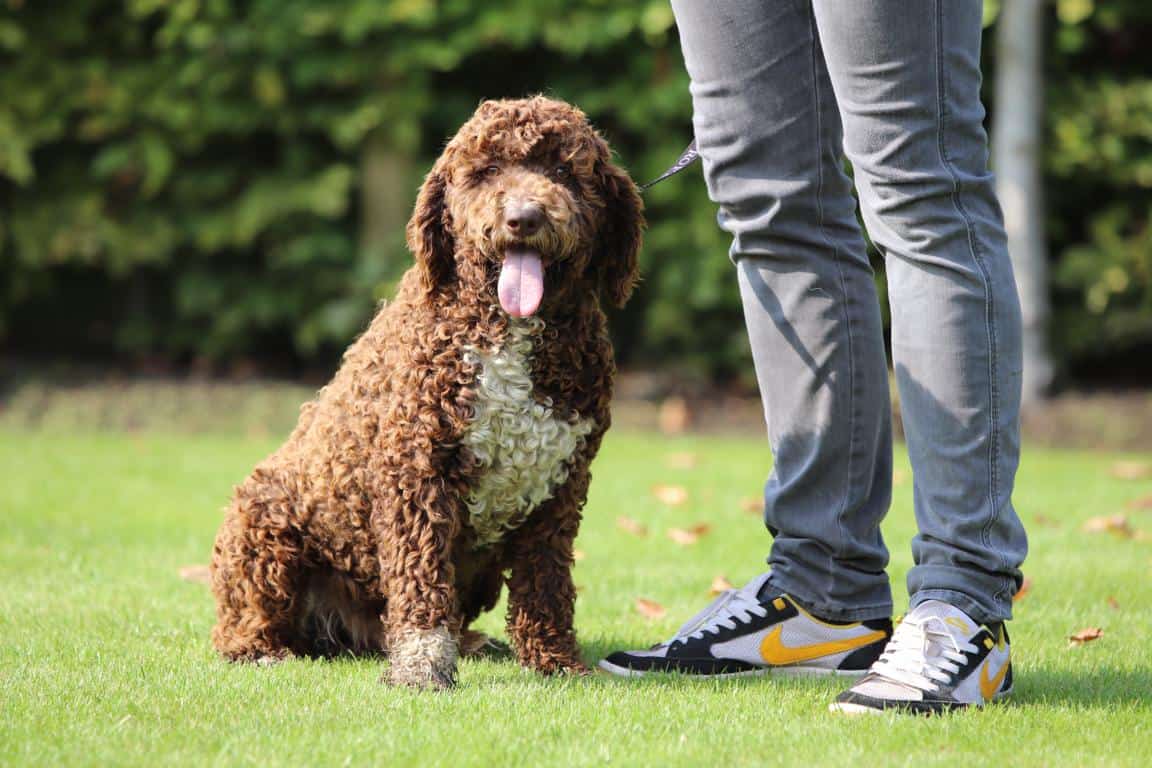
The Labradoodle, a cross between a Labrador Retriever and a Poodle, originated in the late 1980s in Melbourne, Australia. With their friendly and social personalities, known for their intelligence and trainability, and available in various sizes, from mini to medium and large, the Labradoodle temperament has firmly established itself as a favorite among families, active individuals, and people with allergies.
The labradoodle temperament is particularly adaptable, making it an ideal choice for families with children.
The unique traits of the labradoodle temperament make this dog a popular choice in many households.
The labradoodle temperament also includes a strong drive to play and to learn.
This article dives deep into what it means to own a Labradoodle, from their origin and history to their temperament traits and how they fit into a family environment. The focus is on their trainability and intelligence, social behavior, interaction with children and other pets, and the qualities that make them an excellent family dog. We explore both the joys and the responsibilities involved in bringing a Labradoodle into your family.
Origin and History
The labradoodle temperament varies depending on the upbringing and social interactions the dog receives.

The Labradoodle is a cross between a Labrador Retriever and a Poodle, resulting in three sizes: mini, medium and standard. This unique mix began in Melbourne, Australia, in the late 1980s, with the aim of creating an allergy-friendly guide dog. The first successful attempt at this cross was made by Wally Conron in 1989, who is known as the “father” of the Labradoodle.
Development of the Australian Labradoodle
The Australian Labradoodle has its roots in experiments conducted by an Australian organization for the blind since the 1970s. The goal was to create the ideal guide dog. Beverley Manners of Rutland Manor played a crucial role in the development of this dog, intending to develop a healthy, allergy-friendly, trainable, and affectionate companion or guide dog. For 21 years the Australian Labradoodle was developed by Rutland Manor and Tegan Park, which resulted in a distinct type of Labradoodle.
Recognition and Popularity
Although the Australian Labradoodle is recognized as a “Breed in Development” by the MDBA in Australia, it is not yet a breed recognized by the FCI. Nevertheless, the name “Labradoodle” quickly gained popularity, and the breed has become highly sought after, not only in Australia but worldwide. The popularity of the Labradoodle has surpassed that of other mixed breeds such as the Vacoodle and Spoodle.
Purpose and Use
The labradoodle character makes them not only social but also very loving toward their family.
Originally bred as a hypoallergenic guide dog, the Labradoodle has grown into more than just an assistance dog. Today they are also used as therapy dogs and family pets, which underscores their versatility and adaptability to different living situations.
Personality traits
Labradoodles are known for their friendly and intelligent nature, which makes them popular family dogs. They are social and enjoy interaction with their owners and are generally good with children and other animals, although early socialization is beneficial. These dogs have a strong desire to please their owners, which makes them excellent therapy and assistance dogs.
A well-trained Labradoodle has a great labradoodle temperament that adapts well to different situations.
Physical characteristics
Labradoodles are medium to large dogs with a lean build and long legs. They come in various sizes, including Standard, Medium and Mini, depending on the size of the Poodle parent. The coat can be curly, wavy, or straight and requires regular grooming to prevent matting and keep the coat healthy. Available colors include gold, white, crème, red, black, silver and blue.
The labradoodle temperament also depends on the type of training the dog receives.
Behavioral traits
Labradoodles are intelligent and easy to train, which makes them suitable for a variety of living situations, from homes with yards to apartments, as long as they receive enough love, attention, and exercise. However, they can become hyperactive if they do not get sufficient physical and mental stimulation, which can lead to destructive behaviors such as chewing and digging. Labradoodles are also known for their low shedding, which is a desirable trait for people with allergies.
Social and Emotional Behavior
These dogs are empathetic and can sense their owners’ emotions. They are not typically good guard dogs because of their friendly nature, but they can be excellent therapy dogs due to their gentle and loving temperament. If they become bored, they may develop negative behaviors such as excessive barking or destructive chewing.
Labradoodles need regular exercise and mental stimulation to prevent boredom and destructive behavior. With sufficient exercise, Labradoodles are calm and relaxed indoors. They are generally healthy dogs, but regular veterinary check-ups are recommended to ensure their overall well-being.

Trainability and Intelligence
Labradoodles are known for their high intelligence and are highly trainable, which makes them popular choices for both experienced and new dog owners. Here are some key aspects of their trainability and the mental stimulation they require:
Daily Needs
- Physical Exercise: Labradoodles require regular physical activity to prevent boredom and destructive behavior. Ideally, they should be exercised for at least 1.5 to 2 hours per day.
- Mental Stimulation: In addition to physical activity, they need sufficient mental challenges. Interactive toys and training games help keep their mind sharp and prevent unwanted behavior.
Training Approach
- Consistency and Patience: These dogs are not only smart but also eager to please. A consistent and patient training approach is crucial.
- Early Socialization: It is recommended to socialize Labradoodles at a young age. This helps develop good behavior around other dogs, people, and in different situations.
- Learn New Tricks: Their intelligence makes it possible to learn new tricks quickly, making the training process fun and rewarding for both the dog and the owner.
Living Space
- Both parent breeds of the Labradoodle are active and need ample living space to function optimally, which makes daily exercise essential.
This combination of physical and mental activities, together with a loving and consistent training approach, ensures that the Labradoodle can develop into a well-adjusted and happy family dog.

Social Behavior and Interacting with Children/Pets
Labradoodles are known for their friendly, cheerful, and social nature, which makes them ideal family pets. They are loyal to their owners and can get along well with other animals and people. It is essential to socialize Labradoodles from a young age; they learn quickly and can become extremely sociable if properly trained. These dogs are sensitive and can sense their owners’ emotions, often trying to comfort them when they detect stress or sadness.
Interaction with Children
Labradoodles are excellent companions for families with children. They are known for their patience and playfulness, which makes them particularly suitable for interacting with young children. However, due to their sometimes exuberant play style, supervision during play is recommended.
Interacting with Other Pets
Labradoodles can get along well with other pets, especially if they have been properly socialized from a young age. Early socialization is important, particularly with cats and small animals, because of their prey drive. In general, interactions with cats are usually amicable if they are introduced carefully and from a young age.
Labradoodles are not only suitable as family pets because of their social nature, but also because of their ability to get along well with children and other animals, provided they are socialized at a young age. Although they are not typical guard dogs due to their friendly nature, they can make excellent therapy dogs because of their gentle and loving temperament.
With a good labradoodle temperament, these dogs can live perfectly well with children and other pets.

Labradoodle as a Family Dog
The combination of the labradoodle character makes these dogs unique and beloved.
Labradoodles are known for their friendly and social nature, which makes them excellent family dogs. These dogs are not only a joy to have in the home because of their affectionate temperament, but they are also relatively healthy with a life expectancy of 12 to 15 years.
Health and Wellbeing
Labradoodles are generally healthy dogs, but they do require care to prevent certain health issues. They can be prone to hip and elbow dysplasia, progressive retinal atrophy, and skin allergies. Regular veterinary check-ups and preventive care are essential to maintain their overall health. In addition, Labradoodles can suffer from otitis, skin problems, and cruciate ligament diseases, which occur more frequently than in some other breeds.
Grooming and Maintenance
Coat care is an important aspect of caring for a Labradoodle. Depending on the coat type, it may be necessary to brush daily, trim every 6–8 weeks, and bathe as needed. This not only helps keep the coat looking good but also prevents skin problems.
Daily Needs
Labradoodles are active dogs that need both physical and mental stimulation. Regular exercise is crucial; a daily walk of at least 1.5 to 2 hours is recommended. Mental stimulation should not be neglected either—interactive toys and training games can help keep their minds active.
With proper training, the labradoodle character can develop into a loving companion.
Social and Emotional Well-being
These dogs are very social and may suffer from separation anxiety if left alone for long periods. A comfortable and supportive sleeping environment is essential for their rest and relaxation. Additionally, they are very empathetic and can sense their owners’ emotions, often trying to comfort them when they detect stress or sadness.
Acquiring a Labradoodle
When acquiring a Labradoodle, it’s important to choose a reputable breeder. This ensures the puppy is healthy and has a good temperament. Another option to consider is adopting a Labradoodle from a shelter or rescue organization.
These guidelines help maintain the Labradoodle as a happy and healthy family dog, making them a loving addition to any household.

The labradoodle character also makes them very suitable as therapy dogs.
A Labradoodle with a good labradoodle character often shows a lot of loyalty to its family.
Conclusion about the labradoodle character
The labradoodle character can be further enhanced through social interaction with other dogs.
A typical trait of the labradoodle character is their friendliness and playfulness.
The labradoodle character also makes them excellent companions for active families.
Family-friendly dogs often have a good labradoodle character that enables them to get along well with children.
A Labradoodle with a strong labradoodle character can be easily trained and adapt well to new situations.
Through the in-depth exploration of the unique traits and temperament of the Labradoodle, we have seen how this charming cross between a Labrador Retriever and a Poodle not only excels in intelligence and trainability, but also becomes a warm and sociable family member. The Labradoodle’s adaptability to different living environments, combined with their loving nature and low shedding, makes them an ideal choice for both experienced and new dog owners, including those with allergies.
The discussed aspects emphasize the importance of early socialization, regular physical exercise and mental stimulation, as well as the need for a loving and consistent training approach to raise a well-mannered and happy Labradoodle. It is clear that, with the right care and attention, the Labradoodle can not only be an excellent family dog but also a valuable companion, capable of forming a deep and enriching bond with their owners. It is this combination of traits and qualities that makes the Labradoodle a beloved choice among dog lovers worldwide.
FAQs
What kind of personality does a Labradoodle have? The personality of a Labradoodle varies and depends on the traits they inherit from their Labrador and Poodle parents, as well as the upbringing they receive. In general, the Labrador is known to be active, friendly and affectionate, and these qualities can be found in Labradoodles.
How does a Labradoodle usually behave? Labradoodles are known for their friendliness and self-confidence. They are generally social and get along well with people and other pets. However, their enthusiasm can sometimes be a bit overwhelming, especially around small children.
Is the Labradoodle an easy dog to keep? Yes, the Labradoodle, a cross between a Poodle and a Labrador Retriever, is a dog known for its cheerful disposition and is relatively easy to raise. They have a coat that sheds little but do require regular brushing and grooming.
Can a Labradoodle stay home alone well? An Australian Labradoodle, known for its athletic and compact build, enjoys human company but can also be okay alone for a few hours without problems.